


 English
 Español
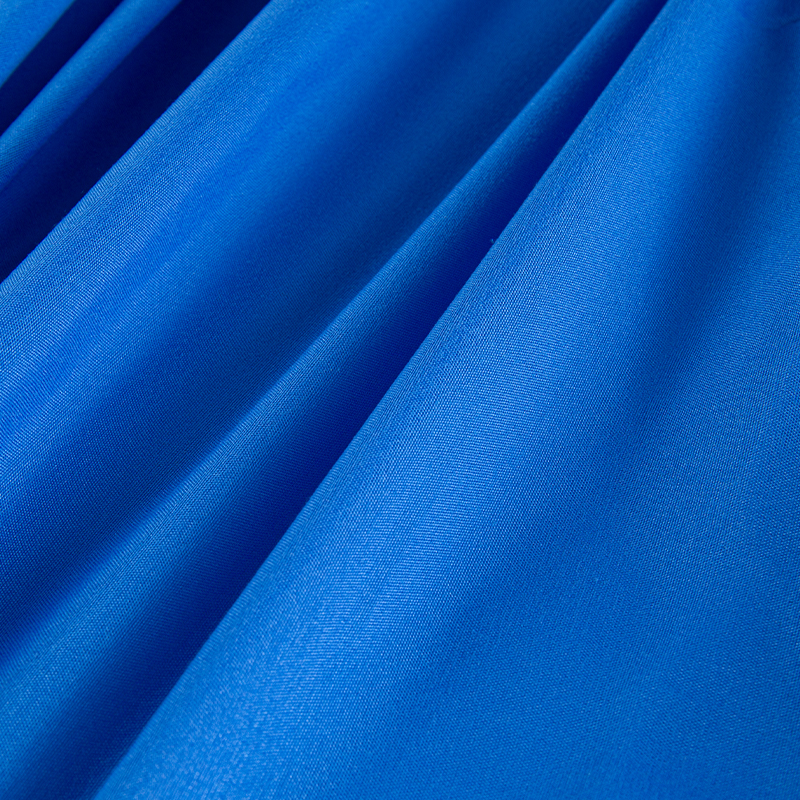
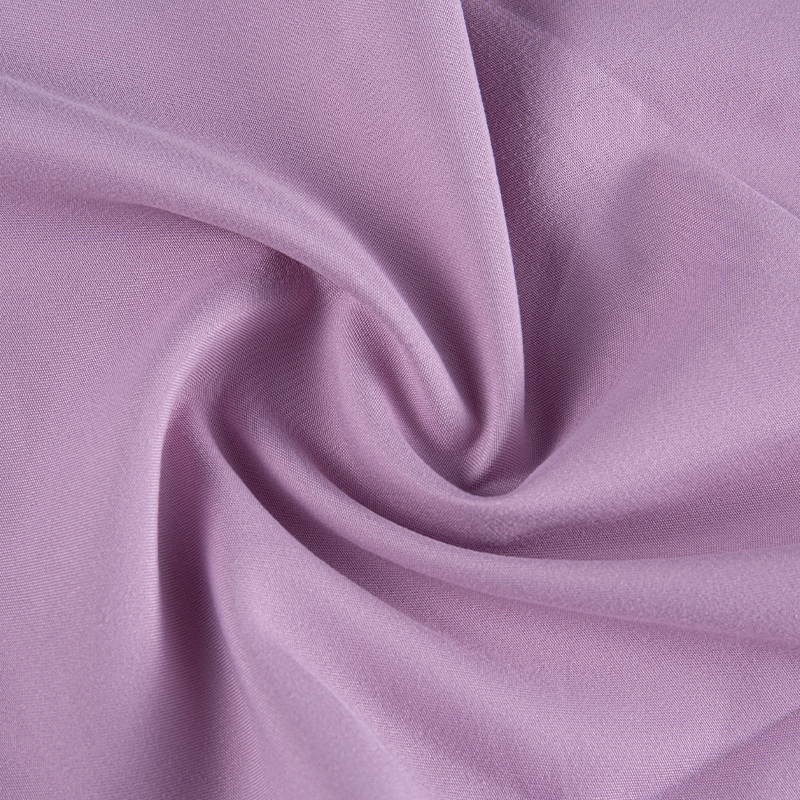
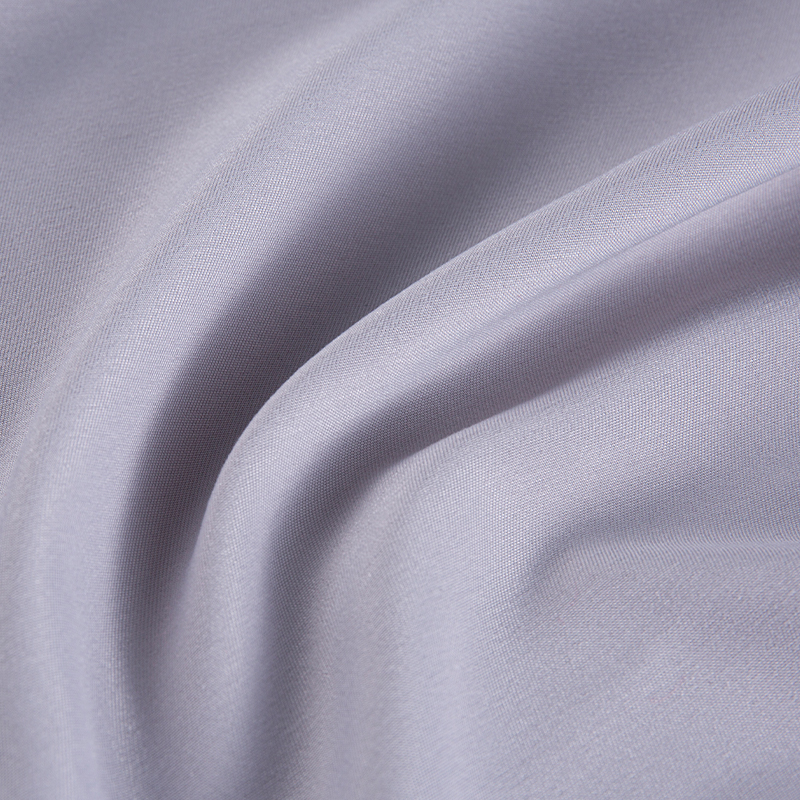
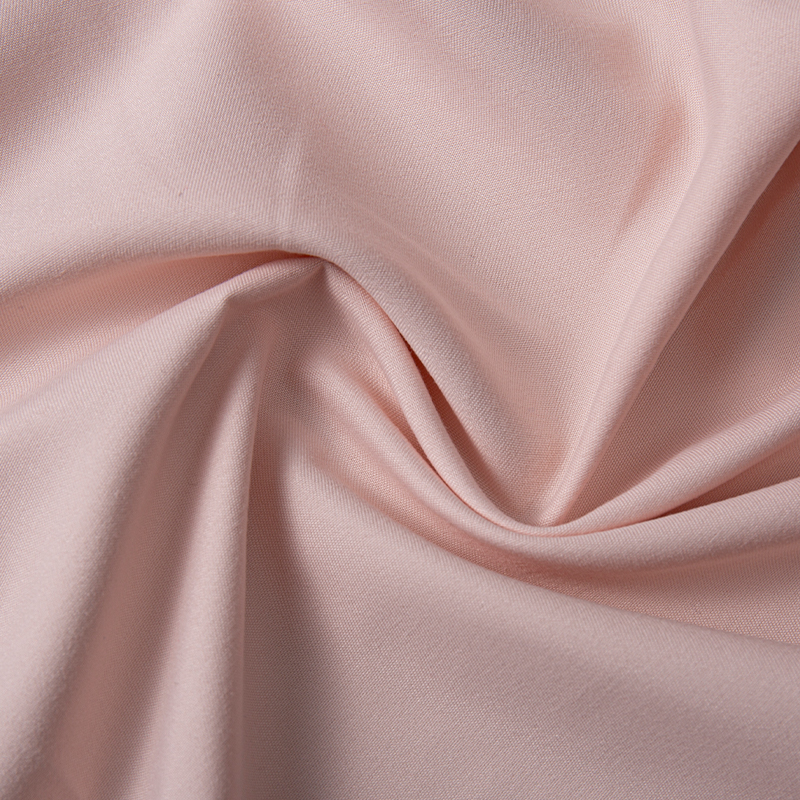
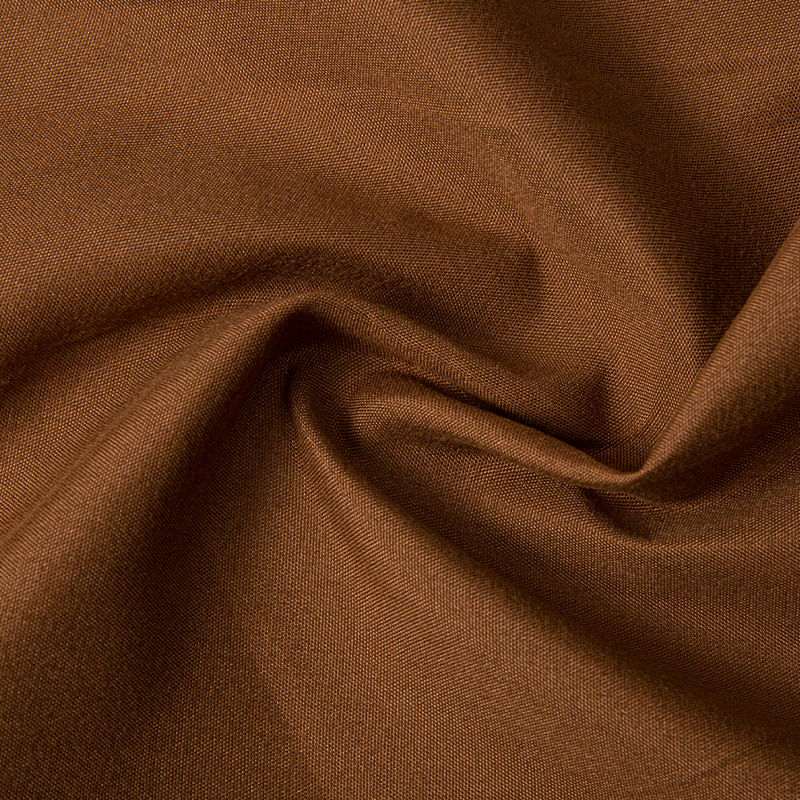
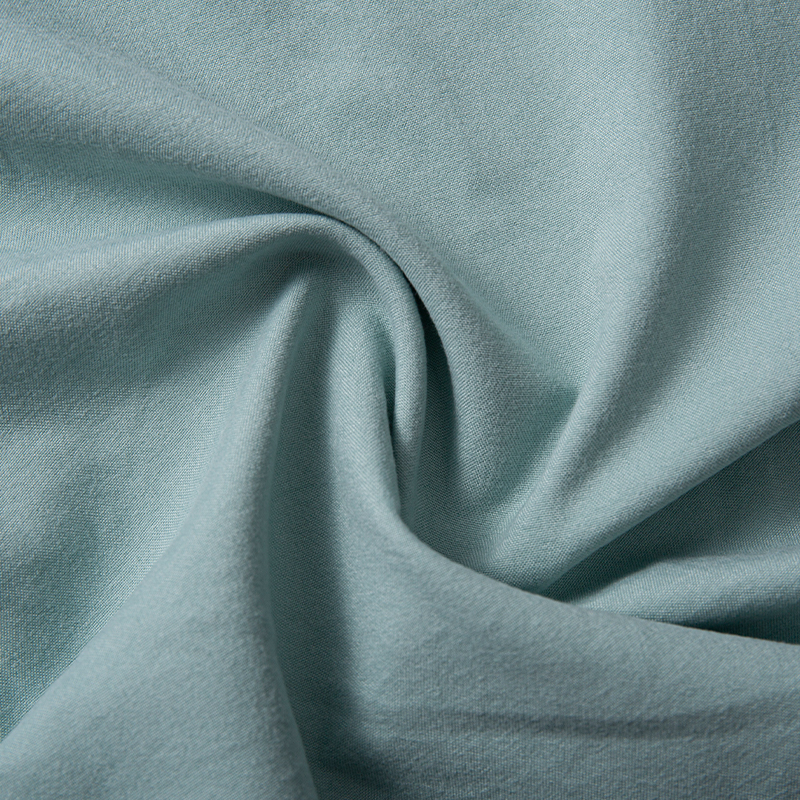
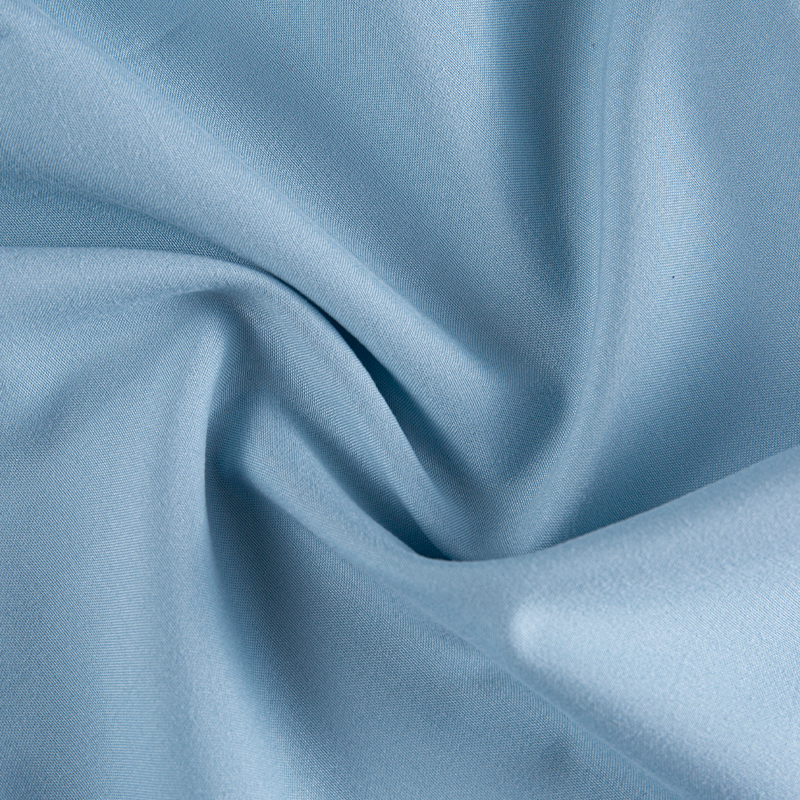
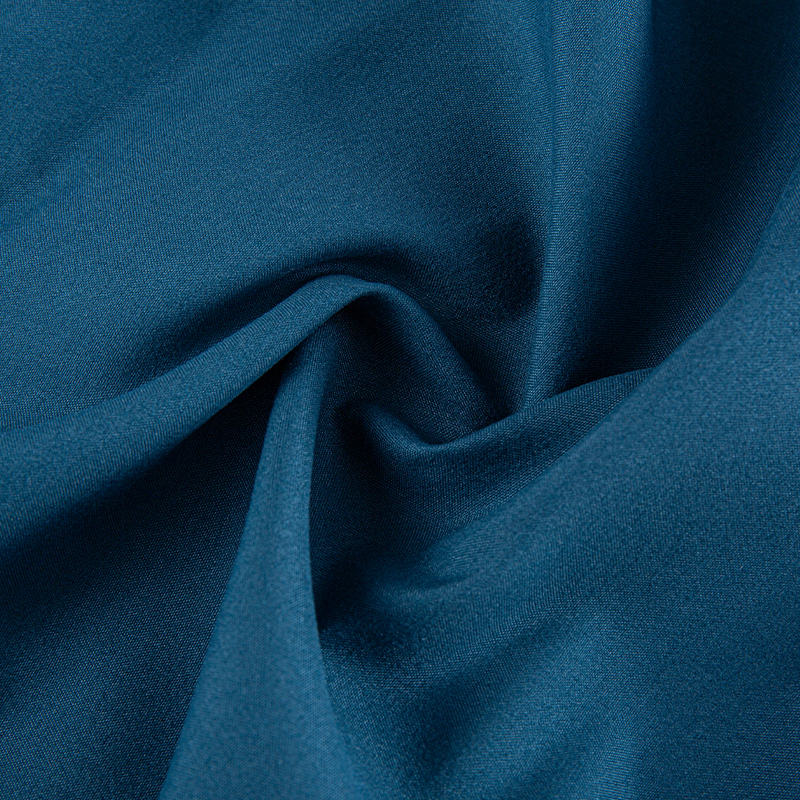
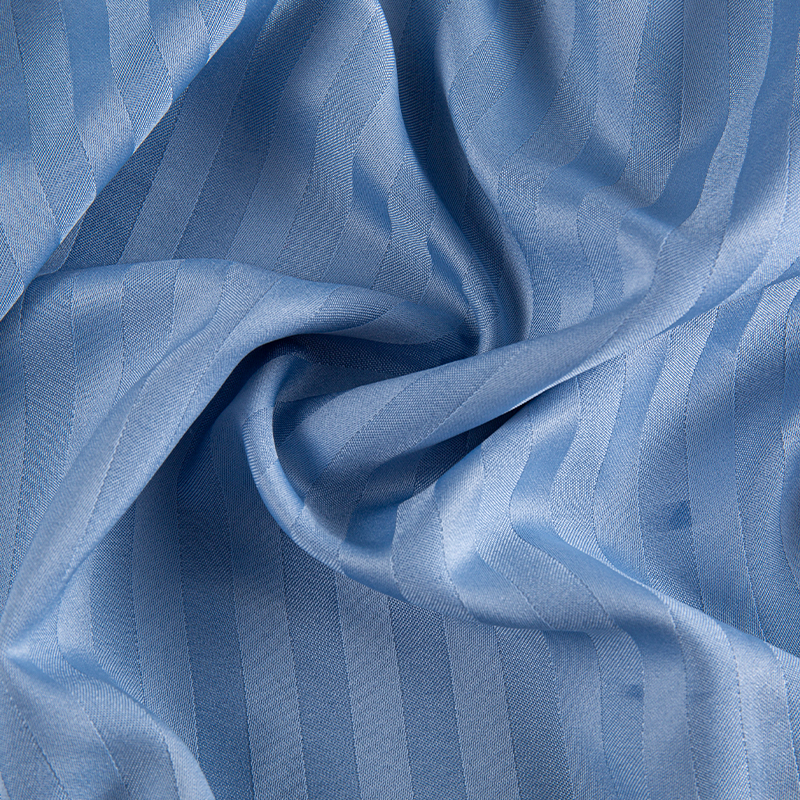
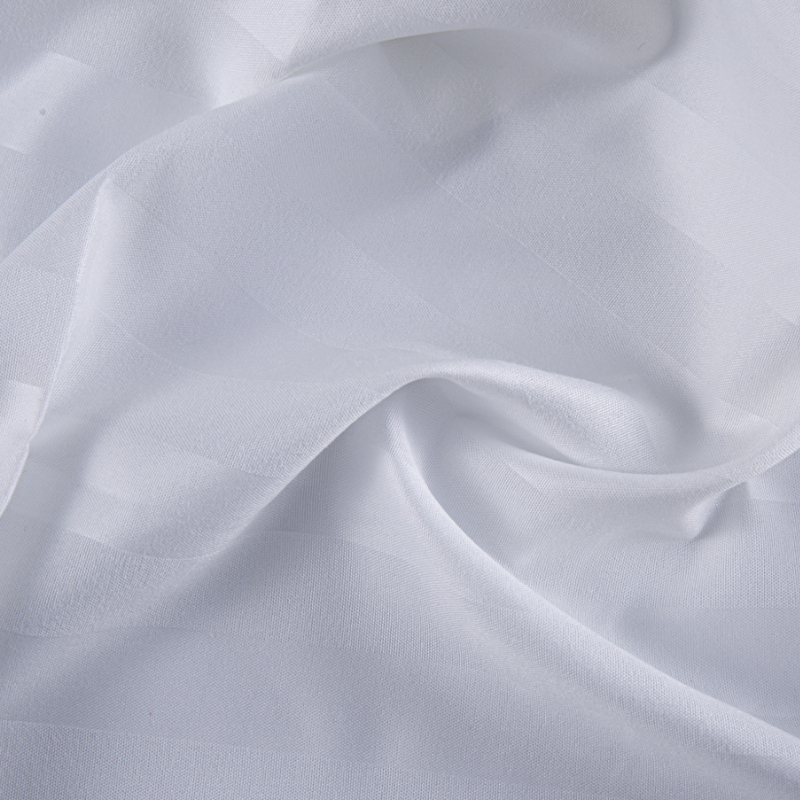
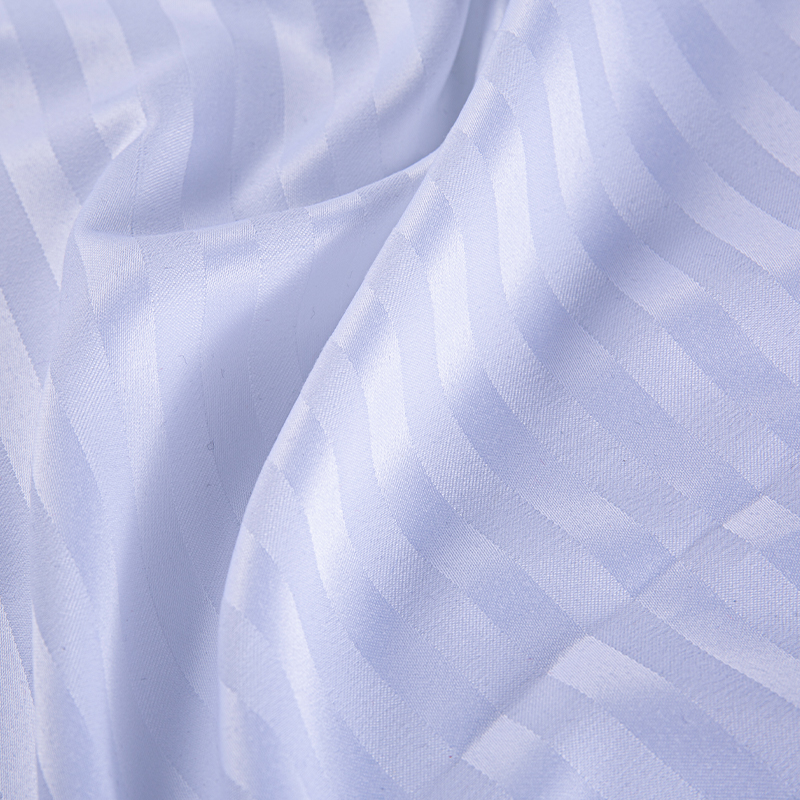
100%Polyester dyed fabric
100% polyester dyed fabrics are made of polyester fiber. With the help of microfiber technology, it brings a soft and de...
Solid color all-polyester microfiber bed sheet fabric is a high-quality fabric that is both practical and beautiful. It is made of 100 polyester microfiber fiber, and the fiber is extremely fine, laying the foundation for quality. After fine brushing, the cloth is covered with a layer of short and dense fluff, which feels soft like cashmere, skin-friendly, and comfortable. The solid color design of this cloth is simple and generous, without the interference of complicated patterns, and can be easily integrated into various styles. It has good warmth retention and can resist the chill of autumn and winter. It has excellent durability, wear resistance, and is not prone to pilling and deformation. At the same time, its low moisture absorption makes it have excellent quick-drying performance and easy care. Whether it is making warm bedding or fashionable autumn and winter clothing, it is very suitable. Solid color microfiber bed sheet cloth is made of 100 polyester microfiber fiber, with excellent durability and wrinkle resistance. The texture of the cloth is smooth and uniform, with rich and bright color options.
Fabric First: Why Polyester Microfiber and Satin Bedding Need Different Care Bedding wears out for one of two reasons: the fibers break down, or the surface finish that made the fabric feel smooth and look glossy fades away. Polyester microfiber and satin-weave sheets fail in di...
READ MOREWhy Lining Fabric Quality Determines the Real Performance of a Bedspread A bedspread or quilt is judged first by its face fabric, but its actual comfort, durability, and drape come from what sits underneath. The lining layer holds the batting in place, controls how the quilt fee...
READ MOREIn the rapidly evolving world of modern bedding, fabric technology dictates the balance between comfort, durability, and aesthetics. One innovation that has gained significant traction among manufacturers and homeowners alike is 100% Polyester Embossed Microfiber—a material tha...
READ MORESolid color polyester dyed fabric is a versatile textile widely used in home furnishings, apparel, and commercial applications due to its durability, aesthetic flexibility, and cost-effectiveness. Changxing Dinghao Textile Co., Ltd. demonstrates its expertise through its integrated production of 100% polyester microfiber fabrics, ensuring consistent quality from raw materials to finished product. Unlike printed fabrics, which rely on surface-level designs, this fabric undergoes a dyeing process that ensures uniform color penetration throughout the fibers.
Solid color polyester dyed fabric is crafted from 100% polyester microfiber, a material known for its fine fiber structure and softness. The dyeing process involves immersing the fabric in colorants at high temperatures, allowing the pigment to bond deeply with the fibers. This results in a product with exceptional colorfastness, resisting fading from washing or UV exposure. Additionally, the fabric’s low moisture absorption and quick-drying properties make it ideal for high-use environments. Its resistance to pilling and wrinkles further enhances its appeal for both household and industrial applications.
Changxing Dinghao Textile Co., Ltd. uses precise dyeing technology and strict testing to achieve excellent color fastness and texture, meeting international standards for home and commercial textiles.
One of the most significant advantages of solid color polyester dyed fabric is its uniform color application. Unlike printed fabrics, where designs may crack or peel over time, dyed polyester maintains its vibrancy through repeated laundering and wear. This is particularly important for bulk buyers, such as hotels or uniform suppliers, who require consistency across large orders. The deep penetration of dyes ensures that even abrasion or heavy use does not reveal a lighter underlayer, a common issue with printed textiles.
Solid color polyester dyed fabric outperforms printed fabrics in terms of long-term durability. The dyeing process does not compromise the fabric’s structural integrity, whereas printing often requires additional chemical treatments that can weaken fibers. This makes dyed polyester a preferred choice for upholstery, workwear, and bedding—applications where mechanical stress and frequent cleaning are inevitable. Furthermore, its resistance to pilling ensures a smoother surface over time compared to printed fabrics, which may develop uneven textures as the design deteriorates.
The simplicity of solid color polyester dyed fabric offers unmatched design flexibility. Neutral and bold hues can seamlessly integrate into diverse styles, from minimalist home decor to corporate uniforms. Printed fabrics, while visually striking, often limit coordination with other patterns or colors. Solid dyed fabrics also allow for easier customization in bulk orders, as they can be tailored to specific Pantone references without the complexity of multicolor printing. This adaptability extends to various finishes, such as embossing or brushing, which enhance texture without sacrificing color integrity.
From a manufacturing standpoint, solid color polyester dyed fabric is more economical to produce than printed textiles. The dyeing process requires fewer steps and less material waste, as there is no risk of misalignment or design errors common in printing. This efficiency translates to lower costs for bulk purchasers, such as retailers or contract furnishers. Additionally, the faster production turnaround enables suppliers to meet tight deadlines without compromising quality, a critical factor in industries like hospitality and healthcare.
Solid color polyester dyed fabric is notably low-maintenance, retaining its appearance with minimal care. It withstands high-temperature washing and aggressive detergents, making it suitable for commercial settings like hospitals or hotels. In contrast, printed fabrics often require gentle cycles or air drying to preserve their designs. The inherent stain resistance of polyester further reduces the need for specialized cleaning, offering practical benefits for end-users.
This fabric’s robustness and aesthetic appeal make it a staple in multiple sectors. In home textiles, it is used for bedding, curtains, and upholstery due to its durability and color retention. The fashion industry values it for garments like dresses and uniforms, where wrinkle resistance and easy care are paramount. Commercial applications include table linens, promotional banners, and institutional furnishings, where cost-efficiency and longevity are prioritized.
Modern dyeing techniques have reduced the environmental impact of solid color polyester dyed fabric, with options like low-water dyes and OEKO-TEX® certified processes. While polyester is not biodegradable, its durability prolongs product lifecycles, reducing waste compared to disposable fast-fashion textiles. Consumers increasingly favor such sustainable choices, aligning with global trends toward eco-conscious purchasing.
Solid color polyester dyed fabric offers a compelling combination of durability, aesthetic versatility, and cost efficiency, making it a superior choice over printed fabrics in many scenarios. Its ability to maintain color and structural integrity under heavy use ensures long-term value, while its adaptability meets diverse design needs. As textile technology advances, this fabric continues to solidify its position as a reliable, high-performance material for global markets.



+86-137 0672 2970+86-137 5728 0930

Copyright © Changxing Dinghao Textile Co., Ltd.
All Rights Reserved.
Custom
Solid Color Dyed Polyester Fabric Factory
