


 English
 Español
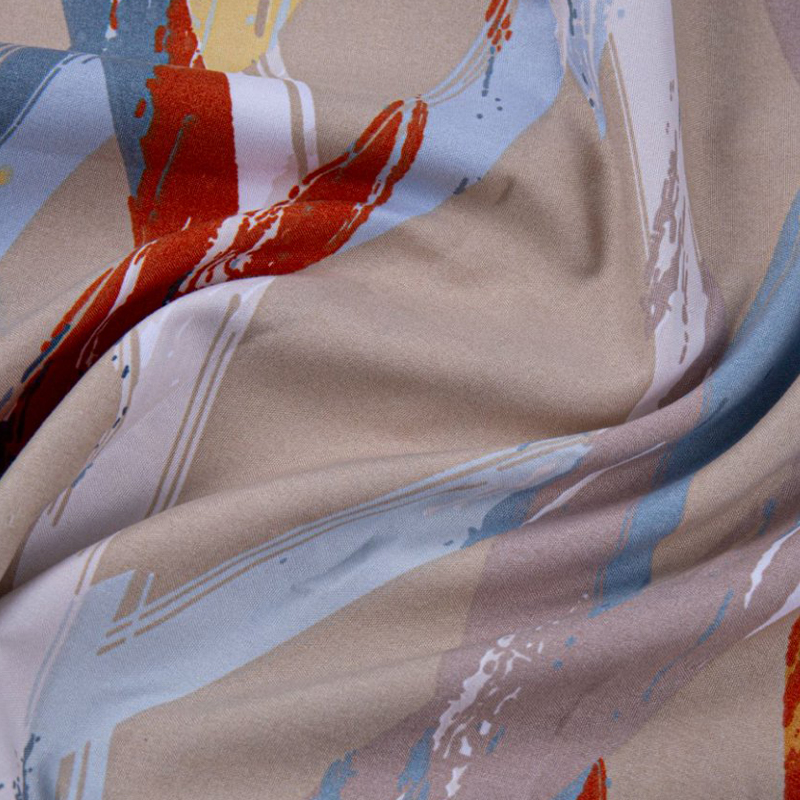
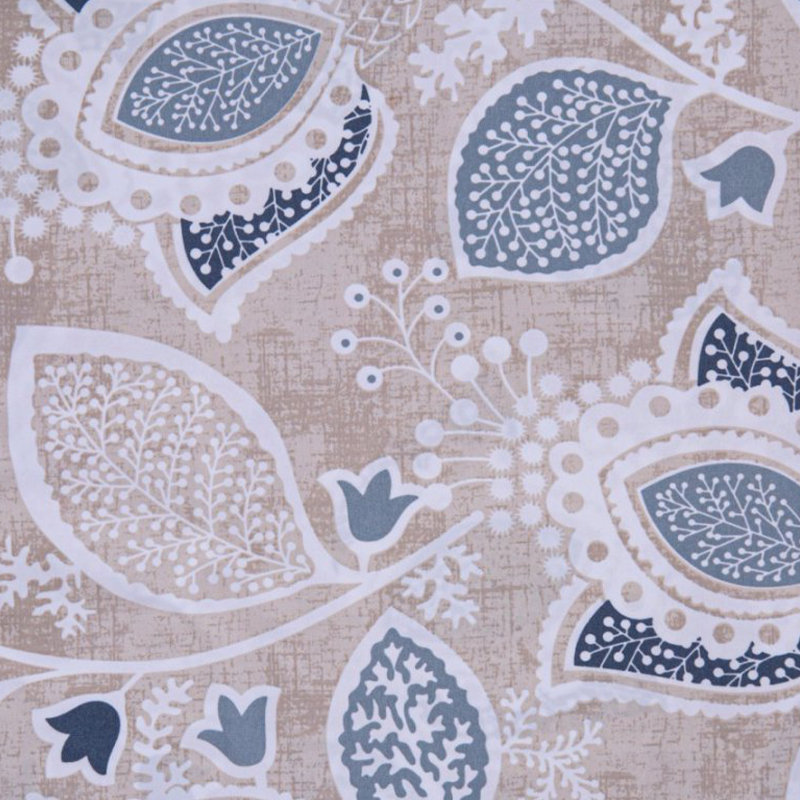
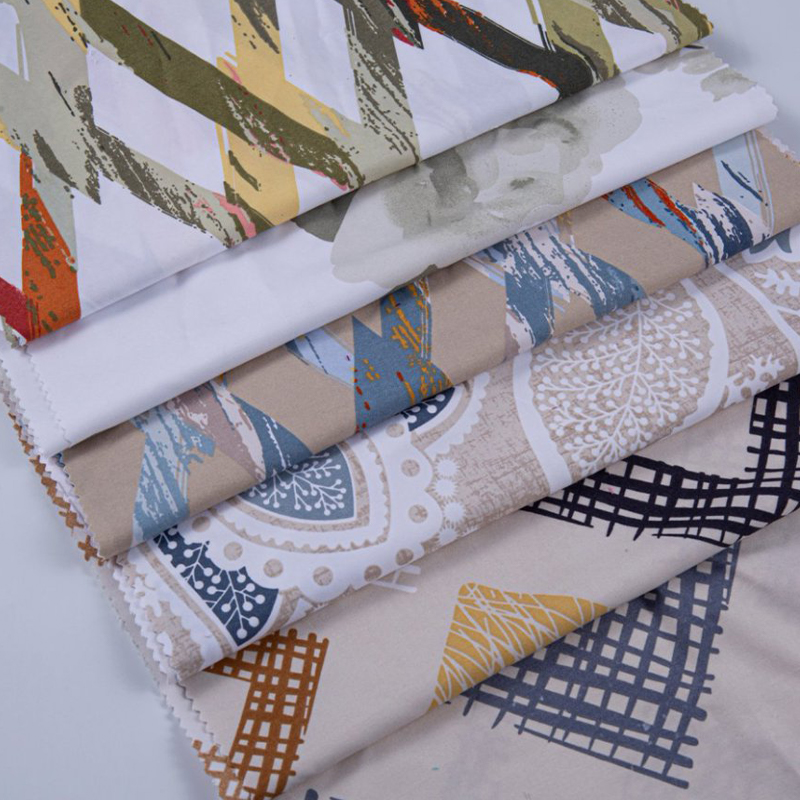
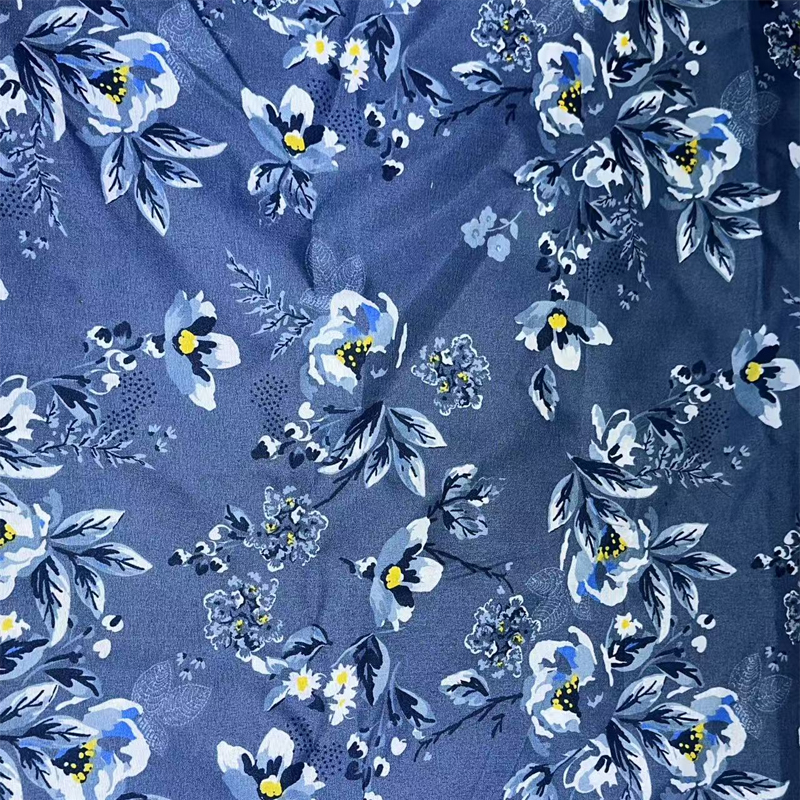
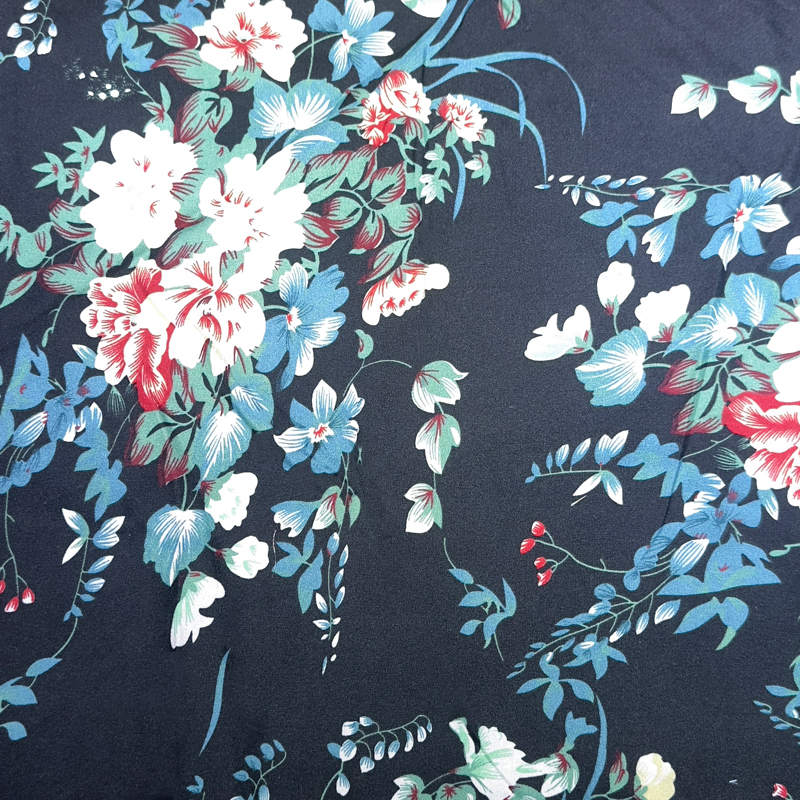
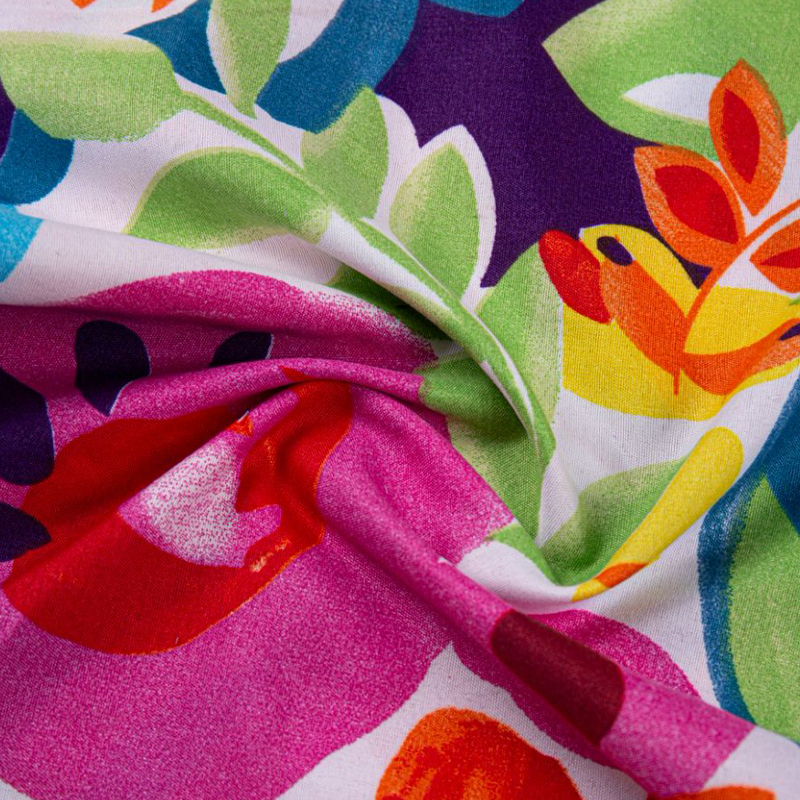
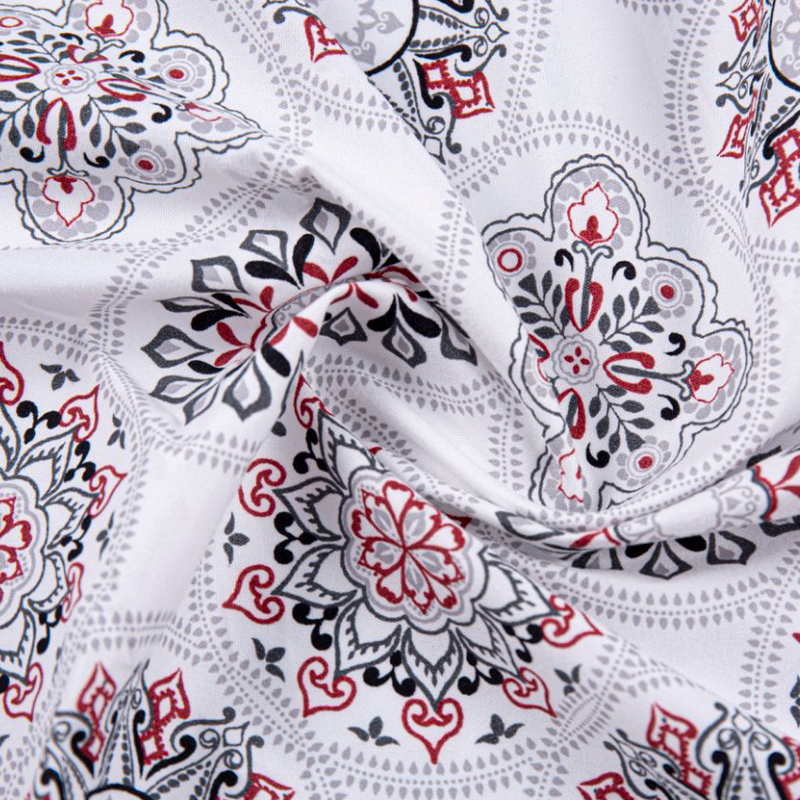
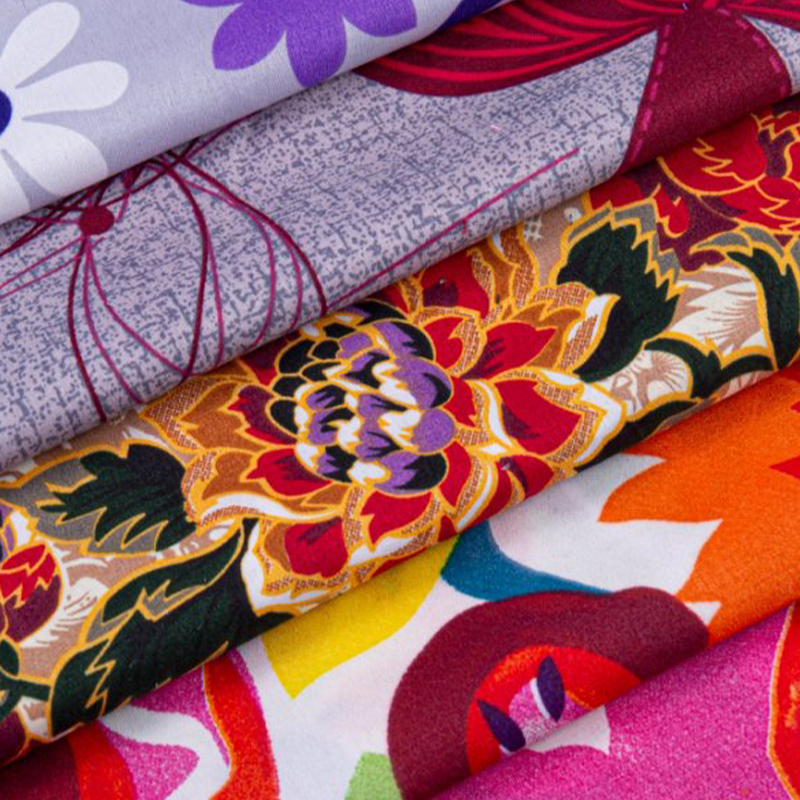
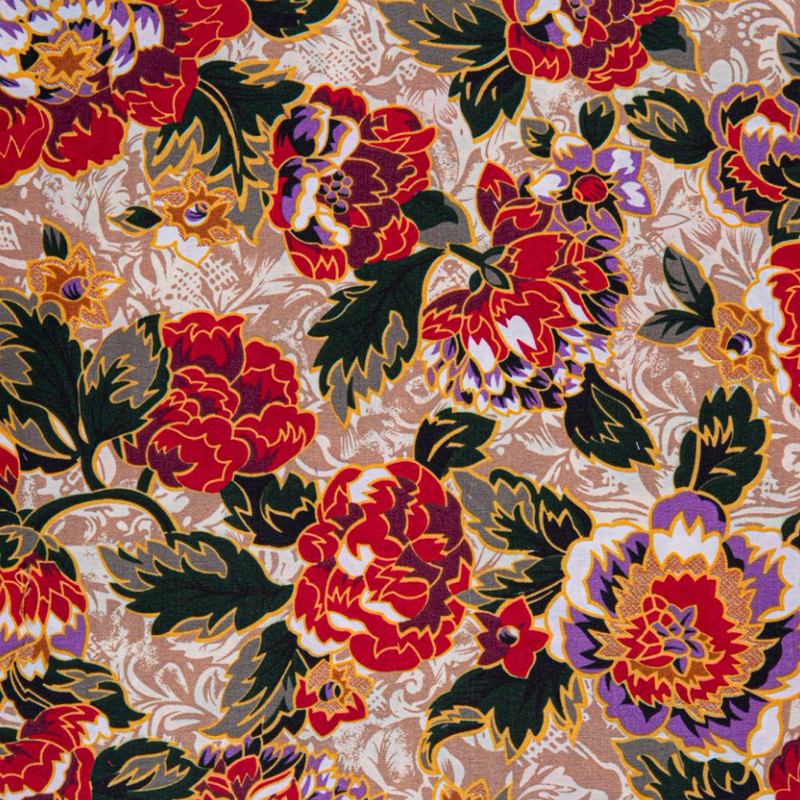
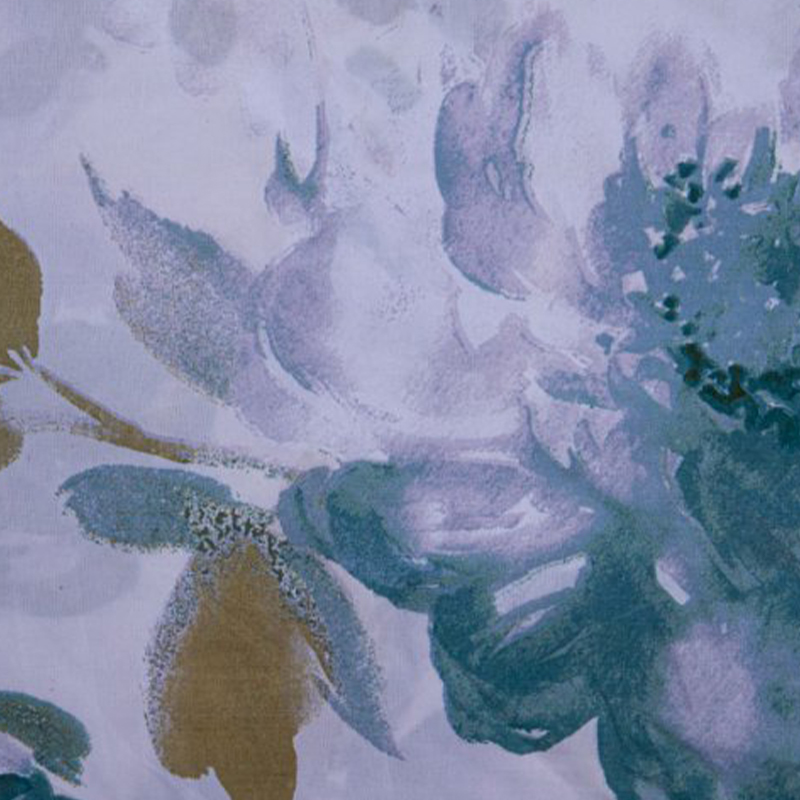
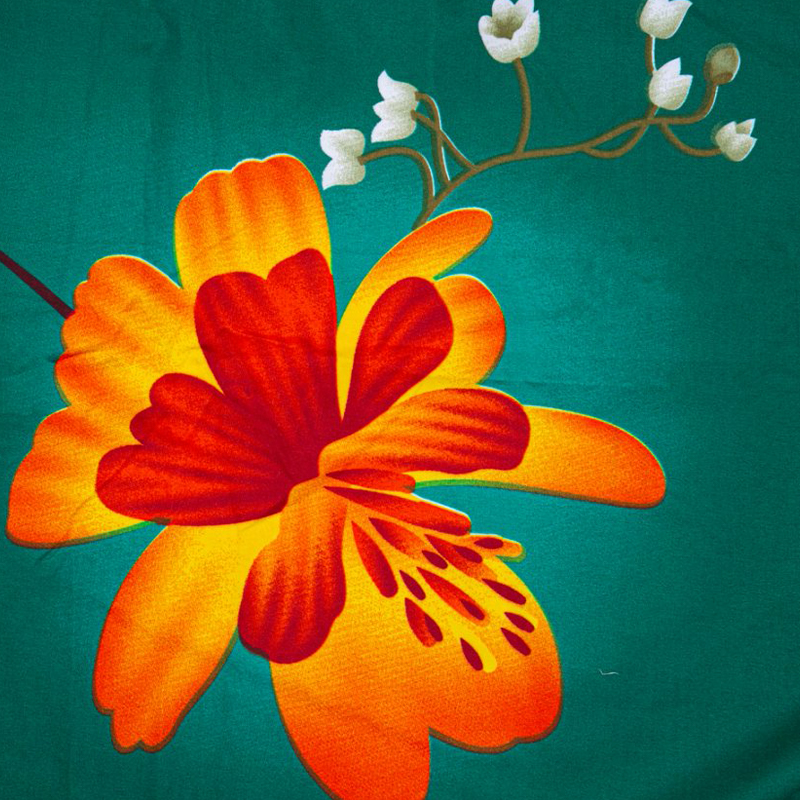
100% Polyester dispersed printed fabric
100%polyester dispersed printed fabrics are high-quality textile fabric commonly used to make bed sheets. It uses polye...
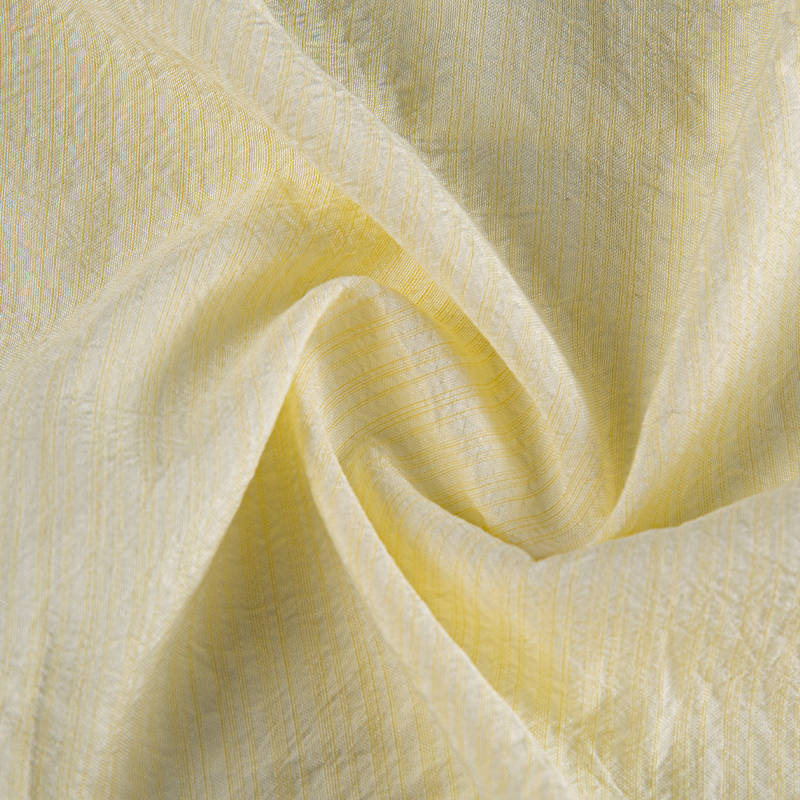
Fabric First: Why Polyester Microfiber and Satin Bedding Need Different Care Bedding wears out for one of two reasons: the fibers break down, or the surface finish that made the fabric feel smooth and look glossy fades away. Polyester microfiber and satin-weave sheets fail in di...
READ MOREWhy Lining Fabric Quality Determines the Real Performance of a Bedspread A bedspread or quilt is judged first by its face fabric, but its actual comfort, durability, and drape come from what sits underneath. The lining layer holds the batting in place, controls how the quilt fee...
READ MOREIn the rapidly evolving world of modern bedding, fabric technology dictates the balance between comfort, durability, and aesthetics. One innovation that has gained significant traction among manufacturers and homeowners alike is 100% Polyester Embossed Microfiber—a material tha...
READ MOREPolyester bedsheet fabric has become a staple in the textile industry, valued for its durability, affordability, and easy maintenance. Among the key factors determining its quality and performance, the weave type plays a pivotal role in defining texture, breathability, and longevity.
The plain weave remains the most fundamental and widely used structure in polyester bedsheet production. Its simple 1:1 interlacing pattern creates a balanced, tightly woven fabric that offers consistent durability across both budget and premium segments.
Modern textile producers have optimized this weave for mass production while maintaining quality standards. The fabric’s tight construction makes it particularly suitable for 150–190 GSM polyester fabric, a weight range that balances comfort and durability for everyday use. While less breathable than other weaves, ongoing innovations in fiber technology have improved its comfort profile.
The twill weave has gained prominence in both commercial and residential bedding markets due to its distinctive diagonal texture and enhanced durability. This weave’s staggered construction allows for greater thread density, resulting in a fabric that withstands frequent laundering - a critical factor for hospitality applications.
Textile manufacturers with comprehensive production capabilities can produce twill weave fabrics that meet stringent international standards. The weave’s ability to hold dyes and prints effectively makes it ideal for dyed/printed polyester bedsheet fabric, particularly in mid-to-high-end market segments where both aesthetics and performance matter.
The satin weave represents the luxury segment of polyester bedding fabrics. Its characteristic smoothness and sheen have made it increasingly popular in premium markets, particularly when combined with microfiber polyester yarns for enhanced softness.
Advanced textile producers utilize specialized finishing techniques to maximize the satin weave’s natural wrinkle resistance while maintaining its luxurious hand feel. These processes, combined with precise quality control measures, ensure the fabric meets expectations for both visual appeal and practical performance in soft polyester sheet sets.
Selecting the appropriate weave involves considering multiple factors including end-use requirements, climate conditions, and durability expectations.
For commercial buyers and bedsheet fabric importers/exporters, understanding these technical aspects is crucial when sourcing products. Reputable manufacturers with complete vertical integration - from yarn production to finishing - can provide valuable guidance in selecting the optimal weave for specific market needs. Their expertise becomes particularly valuable when developing custom solutions for different climate zones or specialized applications like healthcare environments.
The evolution of weave technologies in polyester bedsheet fabric continues to expand the possibilities for both functional and aesthetic bedding solutions. From basic plain weaves to intricate Jacquard constructions, each technique offers unique benefits that cater to different market segments.



+86-137 0672 2970+86-137 5728 0930

Copyright © Changxing Dinghao Textile Co., Ltd.
All Rights Reserved.
Custom
Polyester Sheets Fabric Factory
