


 English
 Español
Polyester Pongee Fabric: A Comprehensive Analysis of a Multifunctional Fabric
Introduction: The Core Charm of Polyester Pongee Fabric
This article provides a brief introduction to what polyeste...
Bedding wears out for one of two reasons: the fibers break down, or the surface finish that made the fabric feel smooth and look glossy fades away. Polyester microfiber and satin-weave sheets fail in different ways, which is why a single generic laundry routine usually shortens the life of one or both. Microfiber is a fiber type, engineered from fine polyester filaments, while satin is a weave structure that can be produced from polyester, cotton, or blended yarns. Treating them the same in the wash is the single most common cause of dulled color, pilling, and stiff, scratchy sheets after only a few months of ownership.
This guide separates the two fabric behaviors and gives a practical, testable washing routine for each, along with the stain removal and storage habits that determine whether bedding still looks new after fifty wash cycles or after five.
Most of the damage that people attribute to fabric aging is actually the cumulative result of a handful of avoidable habits: washing at temperatures higher than the fiber can tolerate, overloading the machine so fabric cannot circulate freely, and letting detergent or softener residue build up wash after wash. None of these habits are obvious from a single wash cycle. The effect is gradual, which is exactly why a small routine adjustment made early tends to matter more than a corrective treatment applied later, once fibers have already been compromised.
Fabric softener and fabric conditioner are cleaning aids in name only. Their job is to coat fiber surfaces with a thin layer of lubricating compounds so fabric feels softer and resists static. They do not lift dirt, oil, or body soil out of the weave, and detergent is still doing all of the actual cleaning work. Understanding this distinction matters because softener residue is one of the leading causes of dull, waterproof-feeling polyester microfiber sheets fabric that no longer absorbs moisture the way it did when new.
A practical rule for both fabric types: use softener sparingly, no more than once every three to four washes, and skip it entirely on any load where sheets already feel slick or repel water at the surface instead of absorbing it.
The detergent itself matters more than most laundry routines account for. Heavy-duty powder detergents formulated for cotton and denim often contain optical brighteners and enzymes that are unnecessarily aggressive for fine synthetic weaves. A liquid detergent labeled for delicates or color-safe use dissolves more completely in cool water, which lowers the chance of residue settling into the weave during the rinse cycle. For satin in particular, a detergent free of added bleach alternatives helps preserve the dye saturation that gives the fabric its depth of color alongside its shine.
Water hardness is a secondary factor worth checking. In hard water areas, mineral content can combine with detergent to leave a faint film on synthetic fibers, which shows up as a slightly stiff hand feel even when the correct detergent and temperature were used. A small dose of water softening additive, added directly to the wash rather than substituted for detergent, can noticeably improve rinse clarity in these conditions.
Microfiber is durable, but its strength comes from extremely fine filaments that snag easily on rough surfaces. A washing routine built around low friction and moderate heat keeps the fiber ends smooth instead of raised, which is what causes pilling.
The reason load size matters so much comes down to fiber diameter. Microfiber filaments are typically a fraction of the diameter of a human hair, split during manufacturing into even finer strands to create the soft hand feel the fabric is known for. That same fineness means the filaments have relatively little individual strength, and repeated compression against other fabric in a crowded drum is enough to fray the ends over time. A half-full drum, by contrast, lets sheets tumble with mostly water and detergent solution around them rather than dense fabric-on-fabric contact.
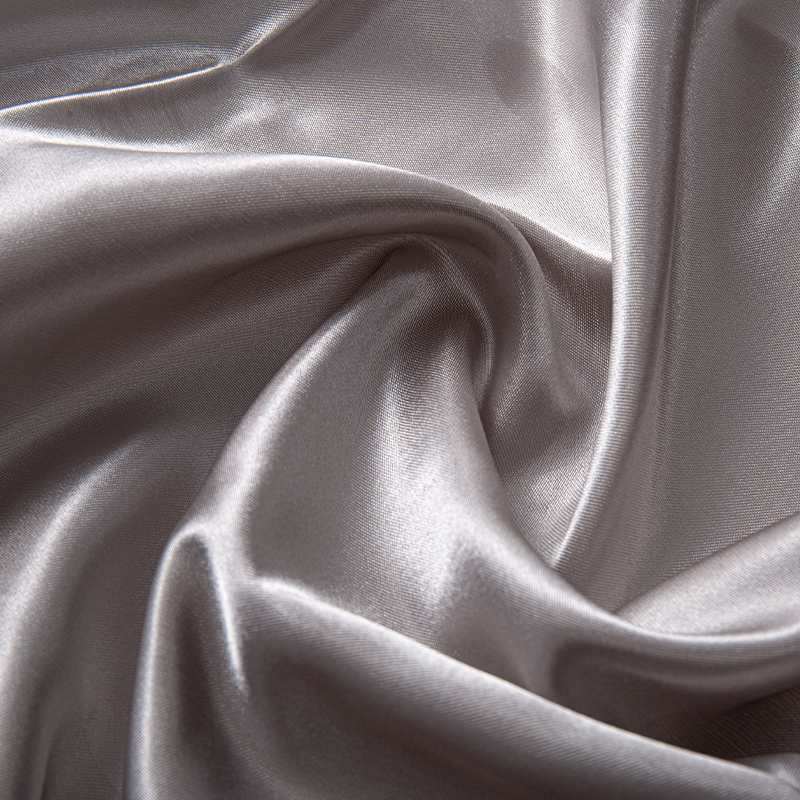
Satin gets its glossy surface from long floating yarns woven so more thread sits on top of the fabric than beneath it. Those floating yarns are also what makes satin prone to snagging, so the entire washing process should minimize abrasion.
Turn satin sheets inside out, place them in a mesh laundry bag, and wash alone or with other satin items only, on a cold, gentle cycle. Cold water protects both dye and sheen, since heat is the primary trigger for the gradual dulling that satin owners often mistake for fabric aging.
For satin dresses or delicate satin sheet sets, hand washing extends life further. Fill a basin with cool water, add a small amount of mild detergent, submerge the item, and agitate gently for two to three minutes rather than scrubbing. Rinse thoroughly, then press out excess water between two towels instead of wringing, which can distort the weave.
Dye behavior is worth understanding separately from fiber care. Deep, saturated colors on satin, particularly reds and navy tones, are more prone to minor bleeding in the first several washes than lighter shades. Washing a new satin item alone for the first two or three cycles avoids any risk of color transfer onto lighter bedding, and it also lets you judge how much the fabric sheds excess dye before deciding whether it is safe to combine with other laundry going forward.
| Care Step | Polyester Microfiber | Satin Weave |
|---|---|---|
| Water Temperature | Cool to warm, under 40C | Cold, under 30C |
| Cycle Type | Gentle or delicate | Delicate, mesh bag recommended |
| Detergent | Liquid, half dose | Mild, low-alkaline |
| Drying Method | Low heat tumble or line dry | Air dry flat, away from direct sun |
| Ironing | Low heat if needed | Low heat, inside out |
The sequence below applies to both microfiber and satin, with temperature and cycle selection adjusted per the table above. Following the order matters as much as the individual steps, since sorting and pre-treatment prevent most of the damage that happens later in the cycle.
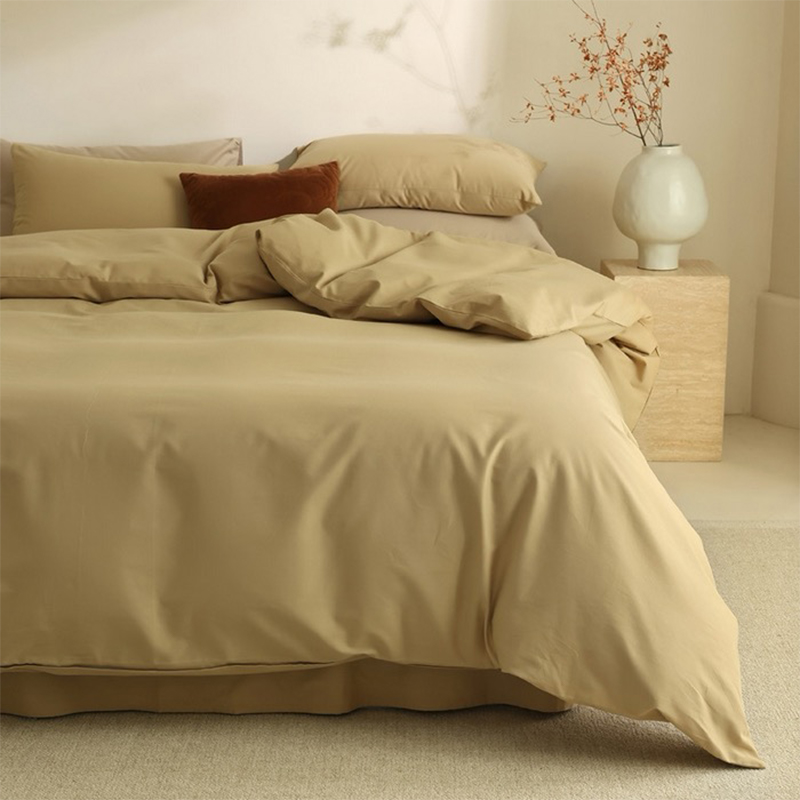
Not all polyester bedding is built for the same wash schedule. Denser weave counts and finer filament diameters generally hold color and softness through more cycles, which is worth checking before purchase if sheets will be washed weekly. Well-constructed polyester bedding sets are woven and finished specifically to resist the pilling and static buildup that shorten the life of lower-grade synthetic sheets.
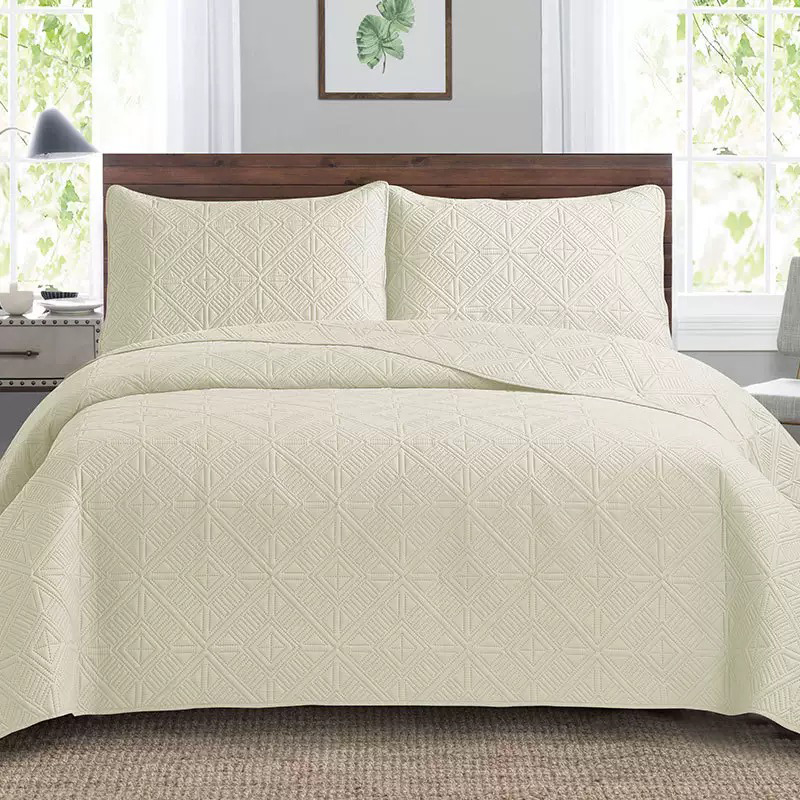
When comparing options, look for a listed thread or filament density, a finish description that mentions brushing or peaching, and clear washing instructions on the label rather than a generic care icon set. A set that specifies its care requirements clearly is generally a reliable sign that the manufacturer tested the fabric through repeated wash cycles before publishing those instructions.
Both fabrics respond poorly to scrubbing and to harsh spot removers, since both rely on an intact, smooth fiber surface for their appearance. The safest approach treats the stain chemically rather than mechanically.
| Stain Type | Recommended Treatment |
|---|---|
| Body oil or sweat | Diluted mild detergent, cool water soak |
| Makeup or lotion | Diluted detergent, gentle blot, avoid rubbing |
| Food or beverage | Blot immediately, cool rinse from the back |
| Ink | Spot test a mild solvent-free stain remover first |
If a stain remains after one gentle treatment, repeat the process rather than escalating to stronger chemicals or hot water, both of which risk setting the stain permanently into the fiber.
Satin naturally dulls a little with each wash cycle as fiber surfaces pick up microscopic wear. Some of that shine can be recovered with the right handling, though heavily worn satin will not return to its original finish.
A brief cool iron pass on the reverse side, with the fabric still slightly damp, tends to relax fibers back into a flatter, more reflective position. Avoid direct steam contact and avoid ironing satin fully dry, since dry heat is more likely to scorch or flatten the weave unevenly rather than restore it.
Pilling happens when short, broken fiber ends tangle together into small balls on the fabric surface. It is largely a friction problem, which means the washing and drying routine matters more than the fabric quality alone.
Sheets that already show light pilling can be treated with a fabric shaver on the lowest setting, moved in one direction only, to remove existing pills without cutting into healthy fiber.
How bedding is dried and stored between uses affects longevity almost as much as the wash itself. Both polyester microfiber and satin benefit from drying flat or on a wide hanger rather than draped over a thin rod, which can leave permanent crease lines in satin especially.
For storage, a breathable cotton pillowcase or fabric bag works better than sealed plastic, which traps residual humidity and can encourage a faint musty smell over long storage periods. Keeping bedding away from direct sunlight during storage also prevents the slow, uneven fading that UV exposure causes in both fiber types.
Folding technique also plays a small but measurable role. Sharp, repeated folds along the exact same lines can weaken fibers at the crease over months of storage, so alternating the fold pattern slightly each time bedding goes back into the closet spreads that stress across a wider area of the fabric rather than concentrating it in one place.
Setting reasonable expectations helps distinguish normal wear from a care mistake worth correcting. Quality polyester microfiber sheets, washed weekly with a gentle routine, typically hold their softness and color for one to two years of regular use before a gradual decline becomes noticeable. Satin bedding, being more sensitive to heat and friction, tends to show the first signs of surface dulling somewhat earlier if washed on the same schedule, which is one reason many households rotate between two or three sets rather than relying on a single set year-round.
| Sign | Likely Cause |
|---|---|
| Persistent stiffness after washing | Detergent or mineral residue buildup |
| Visible pilling across the surface | Fiber fatigue from friction or high heat |
| Loss of sheen that ironing does not restore | Repeated high-temperature washing |
| Thinning at the center of the sheet | Normal end-of-life fiber wear |
Rotating bedding sets on a weekly basis, rather than washing and reusing a single set continuously, spreads wear more evenly and gives fibers time to recover their shape between cycles. This single habit, more than any specific detergent or wash temperature, is often the difference between bedding that lasts through its expected lifespan and bedding that needs replacing well ahead of schedule.
Yes, on a low heat setting. High heat is the main cause of shrinkage and stiffening in microfiber, so a low or air-fluff setting preserves both size and softness.
Fabric conditioner does not clean. It coats fibers with a lubricating layer for softness and static reduction, while detergent handles the actual removal of dirt and oil.
Roughly every one to two weeks under normal use is enough. Washing satin more frequently than needed accelerates the gradual dulling that comes from repeated water and detergent exposure.
Chlorine bleach is not recommended, since it breaks down polyester fibers over time and can leave a yellow tint rather than keeping fabric white. Oxygen-based, non-chlorine alternatives are gentler options.
This usually comes from a combination of heat exposure, high spin speeds, and softener buildup, all of which flatten or coat the floating yarns responsible for satin's glossy surface.
Hanging satin in a steamy bathroom for ten to fifteen minutes lets ambient moisture relax the fibers, which is gentler than direct ironing and avoids any risk of scorching.
Rotating two or three sets on a weekly basis spreads out wear and gives fibers time to recover between washes, which generally extends the useful life of both fabric types compared with relying on a single set continuously.



+86-137 0672 2970+86-137 5728 0930

Copyright © Changxing Dinghao Textile Co., Ltd.
All Rights Reserved.
Wholesale Microfiber Upholstery Fabric Factory
