


 English
 Español
Polyester Pongee Fabric: A Comprehensive Analysis of a Multifunctional Fabric
Introduction: The Core Charm of Polyester Pongee Fabric
This article provides a brief introduction to what polyeste...
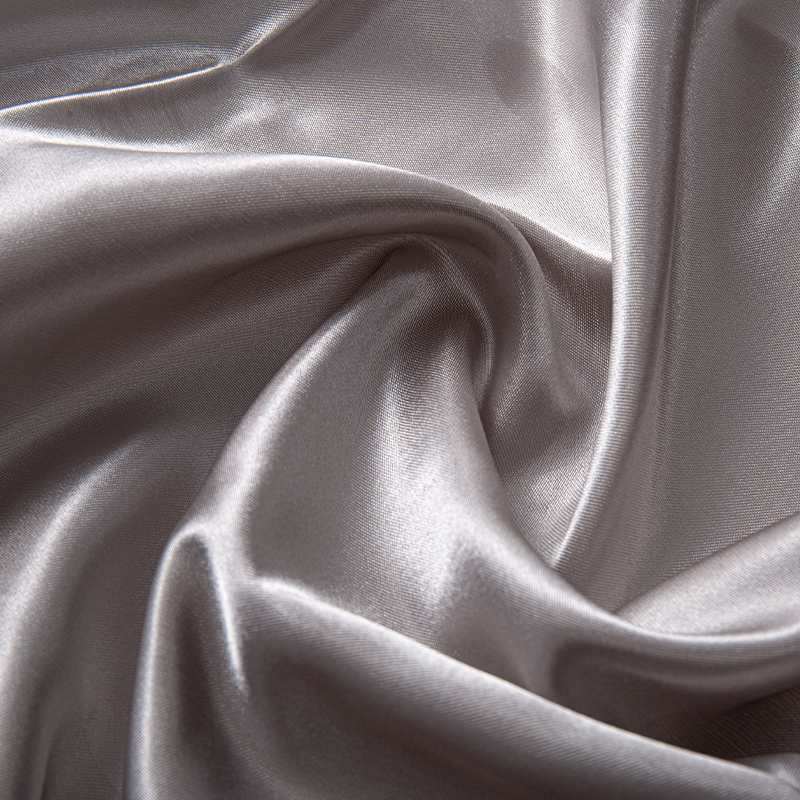
Polyester satin fabric is a type of synthetic textile characterized by its smooth, lustrous surface and lightweight structure. Unlike traditional silk satin, which is derived from natural silk fibers, polyester satin is made from polyester fibers that are tightly woven to create a soft, glossy finish. This combination of durability, affordability, and sheen has made polyester satin a preferred choice for a wide range of applications, from fashion to home décor.
Originally developed in the mid-20th century, polyester satin was designed to mimic the luxurious feel of silk while addressing the limitations of natural silk, such as high cost, delicate care requirements, and limited availability. Today, polyester satin fabric has become a staple material in the global textile market, known for offering the elegance of satin at a fraction of the price. Its versatility allows it to serve as a foundation for evening gowns, bridal dresses, lining fabric, and decorative home textiles.
Over the past few decades, polyester satin fabric has seen a remarkable rise in popularity, driven by both consumer and industry trends. Fashion designers increasingly rely on polyester satin for lightweight, shiny, and durable garments, allowing them to create elegant evening gowns and formal wear without the high cost of silk. Retailers appreciate its affordable luxury appeal, making it accessible to a broader audience without compromising visual quality.
In the home décor sector, polyester satin has become a popular material for upholstery, curtains, and bedding, where its smooth texture and reflective sheen add a touch of sophistication to interior spaces. The fabric’s resistance to wrinkles and easy-care properties further contribute to its adoption in both commercial and residential settings.
The growth of online textile marketplaces has also fueled demand, as buyers can now access polyester satin by the yard, enabling both DIY enthusiasts and small businesses to source high-quality material conveniently. This combination of aesthetic appeal, practicality, and accessibility has cemented polyester satin fabric’s status as a global favorite.
One of the most distinguishing features of polyester satin fabric is its smooth, lustrous surface. The weaving technique used in satin construction ensures that the warp threads float over the weft threads, creating a reflective surface that enhances the fabric’s shine. This quality makes polyester satin a popular choice for garments that require a glamorous and elegant appearance, such as evening gowns and bridal dresses.
Unlike silk satin, polyester satin maintains its sheen even after repeated washes, offering a cost-effective alternative without sacrificing visual appeal. The smooth texture also allows for comfortable wear, making it suitable for garments that come into direct contact with the skin.
Another significant advantage of polyester satin fabric is its durability. Polyester fibers are naturally resistant to stretching, shrinking, and abrasion, giving the fabric a long lifespan even under frequent use. Unlike delicate silk, polyester satin does not easily tear or fray, making it ideal for high-traffic applications such as upholstery and decorative cushions.
Additionally, the fabric exhibits excellent wrinkle resistance, which is highly valued in fashion and home décor applications. Garments made from polyester satin maintain a smooth, polished look throughout the day without the need for constant ironing, while curtains and bedding retain their neat appearance with minimal maintenance.
Despite its glossy and luxurious appearance, polyester satin is surprisingly lightweight. This quality allows designers to create flowing dresses and layered garments without adding unnecessary bulk. The lightweight nature of the fabric also makes it suitable for lining applications, where comfort and freedom of movement are essential.
Furthermore, modern polyester satin fabrics are designed to be breathable, enabling better air circulation compared to traditional synthetic fabrics. This is particularly important for summer wear or garments intended for prolonged wear, where comfort is a priority alongside aesthetic appeal.
Polyester satin fabric provides a unique combination of luxury appearance and affordability. While silk satin can be prohibitively expensive, polyester satin offers a similar visual effect at a fraction of the cost. This affordable luxury has made it increasingly popular among both fashion designers and consumers looking for stylish yet budget-friendly options.
The availability of polyester satin by the yard allows hobbyists, small businesses, and large-scale manufacturers to purchase the fabric in bulk or in custom quantities, further enhancing its market appeal.
Comparison of Polyester Satin Fabric with Common Fabrics
| Fabric Type | Texture & Shine | Durability | Cost Level | Common Use Cases |
|---|---|---|---|---|
| Polyester Satin Fabric | Smooth, Shiny | High | Low–Medium | Dresses, Evening Gowns, Upholstery |
| Silk Satin | Very Smooth, Lustrous | Medium | High | Luxury Fashion, Bridal Gowns |
| Cotton | Soft, Matte | Medium | Low | Everyday Apparel |
| Nylon | Smooth, Slight Shine | High | Medium | Sportswear, Linings |
Polyester satin fabric has become a staple material for evening gowns, thanks to its smooth, shiny surface and ability to drape elegantly. Designers often select polyester satin for formal wear because it provides a luxurious appearance at a more accessible price compared to silk. The reflective sheen of the fabric enhances lighting effects on the runway and in photographs, giving gowns a high-end aesthetic without the cost of natural silk.
In addition, polyester satin is lightweight and breathable, allowing for intricate designs such as flowing skirts, pleats, and layered constructions without adding excessive bulk. Its durability ensures that evening gowns retain their structure and appearance even after repeated use and professional cleaning. This makes it a reliable choice for prom dresses, gala events, and red-carpet attire.
The bridal fashion industry has also embraced polyester satin fabric as an alternative to traditional silk. Its smooth texture and reflective sheen make it ideal for wedding gowns and bridesmaid dresses, where elegance and sophistication are paramount. Polyester satin can be dyed in a wide range of colors, from classic ivory and white to pastel and bold tones, allowing designers to meet diverse wedding themes and client preferences.
Furthermore, polyester satin is cost-effective, enabling bridal boutiques to offer high-quality dresses at more affordable prices. Its wrinkle-resistant and durable nature ensures that gowns look flawless during long wedding ceremonies and photo sessions. Many brides also appreciate the comfortable feel of polyester satin when used for inner linings, which enhances the overall wearing experience.
Beyond outerwear, polyester satin fabric is widely used as a lining material in jackets, dresses, skirts, and formal suits. The smooth texture allows garments to glide easily over other layers, preventing friction and providing a luxurious inner feel. Unlike traditional linings that can be stiff or clingy, polyester satin offers a soft, breathable surface, improving comfort for prolonged wear.
Additionally, its lightweight construction does not add bulk, making it particularly suitable for layered or tailored designs. By using polyester satin for linings, manufacturers can enhance both the visual appeal and functional quality of high-end apparel, while maintaining cost efficiency.
Polyester satin fabric has become a preferred choice for furniture upholstery due to its durability, smooth texture, and elegant sheen. Sofas, chairs, and decorative cushions benefit from the fabric’s ability to resist wear and tear while maintaining a luxurious look. Compared to natural silk or cotton, polyester satin offers a more affordable and long-lasting alternative for both residential and commercial interiors.
Its resistance to stretching and fraying ensures that upholstered furniture retains its shape over time, even in high-traffic areas. This makes polyester satin ideal for hotels, banquet halls, and living spaces where both aesthetic appeal and practicality are critical.
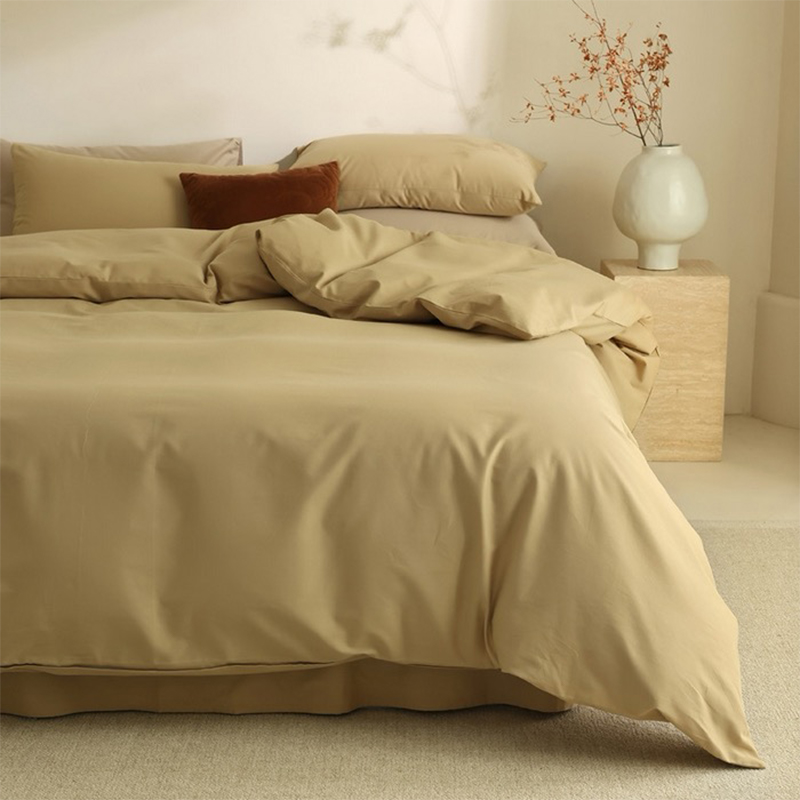
Polyester satin is also widely used for curtains, drapes, and bedding. The reflective surface of the fabric adds a touch of elegance to any room, enhancing the ambiance with subtle light reflection. Its lightweight nature allows curtains to drape gracefully, creating a sophisticated visual effect without requiring heavy rods or supports.
For bedding, polyester satin sheets and pillowcases provide a soft and smooth surface, promoting comfort and a sense of luxury. Unlike cotton or linen, polyester satin is less prone to wrinkling, which reduces maintenance while maintaining a polished appearance.
In addition to furniture and window treatments, polyester satin fabric is commonly used for decorative accessories such as cushion covers, throws, table runners, and wall hangings. Its shiny and smooth texture adds depth and elegance to home interiors, while the durable and easy-care qualities ensure that these accessories remain attractive over time.
The fabric’s versatility allows designers to experiment with bold colors, patterns, and embroidery, offering homeowners and decorators the flexibility to create both modern and traditional aesthetics. The use of polyester satin in decorative accessories demonstrates how the material extends beyond clothing to enhance overall interior design.
The production of polyester satin fabric begins with specialized weaving techniques designed to create its characteristic smooth and shiny surface. Satin weave is defined by floating warp threads over the weft threads, which maximizes reflective sheen while minimizing interlacings. This technique allows polyester fibers to achieve a silk-like luster without using natural silk, providing both affordability and durability.
Modern textile mills use high-speed looms and precision control to produce consistent fabric quality. Variations in the weaving pattern, satin vs. charmeuse can affect the drape, weight, and shine, giving designers and manufacturers flexibility in creating evening gowns, bridal dresses, and decorative textiles.
After weaving, polyester satin fabric undergoes a series of dyeing and finishing processes. Polyester fibers are hydrophobic, so they require specialized high-temperature dyeing techniques to achieve vibrant, uniform colors. Finishing processes, including calendering and softening, enhance the fabric’s gloss, smoothness, and hand feel, making it suitable for luxury apparel and home décor.
Additional finishing techniques can impart decorative patterns or improve durability and stain resistance, extending the fabric’s applications in upholstery and drapery.
One of the key advantages of polyester satin is its cost efficiency. Polyester fibers are inexpensive to produce and widely available, allowing manufacturers to maintain competitive pricing while producing high-quality fabric. The integration of automated weaving and finishing processes further reduces labor costs and ensures consistent product quality.
Compared to natural silk, polyester satin offers high-volume production potential, enabling suppliers to meet the demands of both mass-market and high-end fashion segments.
Impact of Manufacturing Methods on Polyester Satin Fabric Performance
| Processing Method | Impact on Shine | Impact on Durability | Common Usage |
|---|---|---|---|
| Standard Weaving | Medium Shine | High | General Clothing, Linings |
| Advanced Finishing | High Shine | Medium–High | Evening Gowns, Luxury Apparel |
| Embossing / Coating | Decorative Shine | High | Upholstery, Home Decor |
The combination of weaving techniques, dyeing, and finishing processes defines the overall quality of polyester satin fabric. By carefully selecting production methods, manufacturers can tailor the fabric to meet specific applications, from elegant evening gowns to durable upholstery. This adaptability, combined with affordability and visual appeal, underscores why polyester satin continues to dominate both fashion and home décor markets.
The global demand for polyester satin fabric has shown consistent growth, driven by the increasing adoption of synthetic fabrics in both fashion and home décor sectors. The market is projected to expand further, as manufacturers scale production and retailers diversify product offerings. Polyester satin’s combination of affordable luxury, durability, and aesthetic appeal positions it as a preferred material across multiple industries.
Emerging markets in Asia, Latin America, and the Middle East are particularly strong drivers of growth. Consumers in these regions are seeking high-quality textiles at reasonable prices, making polyester satin an attractive alternative to silk or other expensive fabrics.
Several factors contribute to the rising popularity of polyester satin in both fashion and home industries:
A major trend shaping the polyester satin market is the consumer pursuit of affordable luxury. Shoppers increasingly prefer textiles that deliver the look and feel of premium fabrics, such as silk, at a lower cost. Polyester satin fabric meets this demand with its **shiny appearance, smooth texture, and lightweight feel, all while remaining accessible to a broader audience.
Additionally, specialized niches such as breathable satin for summer wear and durable satin for upholstery are growing in popularity. These long-tail applications demonstrate the fabric’s adaptability to different consumer needs, further strengthening its market presence.
While polyester satin fabric offers durability and affordability, it also presents environmental challenges due to its synthetic nature. Polyester is derived from petroleum-based resources, which contributes to carbon emissions and non-renewable resource consumption. Additionally, during production and washing, microplastics can be released, impacting aquatic ecosystems.
As consumer awareness of sustainability grows, the fashion and home decor industries are under pressure to reduce environmental impact without compromising the luxury appeal of polyester satin. Brands are increasingly adopting eco-conscious strategies to address these concerns.
One promising innovation is the development of recycled polyester satin, made from post-consumer PET bottles or industrial polyester waste. This process reduces reliance on virgin materials, lowers energy consumption, and minimizes landfill waste.
Recycled polyester satin maintains the same smooth texture, shine, and durability as traditional polyester satin, making it suitable for evening gowns, bridal dresses, linings, and upholstery. Consumers are increasingly attracted to products labeled as eco-friendly, further driving demand for recycled fabrics in both fashion and home décor markets.
The future of polyester satin fabric lies in combining performance, luxury, and sustainability. Innovations include:
Manufacturers and designers are also exploring biodegradable and compostable finishes for polyester satin, aiming to reduce environmental impact at the end of a product’s lifecycle. As these innovations mature, polyester satin fabric is expected to retain its luxury appeal while aligning with sustainability goals, making it an even more attractive choice for both consumers and industry professionals.
Ultimately, the challenge for the polyester satin market is to balance luxury, performance, and environmental responsibility. By adopting sustainable practices and innovations, brands can continue to offer affordable luxury to consumers while mitigating the environmental footprint.
This approach not only strengthens brand reputation but also ensures that polyester satin fabric remains a dominant material choice in fashion and home décor markets, catering to consumers who value both elegance and sustainability.
Polyester satin fabric continues to dominate the global textile market due to its unique combination of smoothness, shine, durability, and affordability. Its reflective surface and soft texture make it ideal for evening gowns, bridal dresses, linings, and upholstery, offering a luxurious feel at a fraction of the cost of silk.
The fabric’s lightweight and breathable properties enhance wearer comfort, while its resistance to wrinkles and wear ensures longevity in both fashion and home décor applications. This versatility allows polyester satin to cater to a wide spectrum of consumers, from DIY enthusiasts purchasing polyester satin by the yard to luxury designers creating high-end garments and interiors.
Over the years, polyester satin has transformed the fashion and home décor industries. Designers leverage its luxurious appearance and practical features to create elegant garments, sophisticated home textiles, and decorative accessories. Retailers benefit from its cost-effectiveness and adaptability, allowing them to meet growing consumer demand for affordable luxury.
The emergence of long-tail uses, such as breathable satin for summer wear and durable satin for upholstery, demonstrates how the fabric continuously adapts to evolving market trends and niche applications. These innovations reinforce polyester satin’s role as a reliable and versatile textile solution across diverse industries.
Looking ahead, the future of polyester satin fabric is closely tied to sustainable practices and technological innovation. Recycled polyester satin, eco-friendly finishes, and advanced production techniques are making it possible to combine luxury and environmental responsibility.
As global consumers increasingly prioritize sustainability, polyester satin’s ability to deliver both elegance and eco-conscious benefits will strengthen its market position. With ongoing demand in fashion, home decor, and specialty applications, polyester satin is poised to remain a global choice for years to come, maintaining its status as a fabric that balances style, functionality, and affordability.



+86-137 0672 2970+86-137 5728 0930

Copyright © Changxing Dinghao Textile Co., Ltd.
All Rights Reserved.
Wholesale Microfiber Upholstery Fabric Factory
