


 English
 Español
Polyester Pongee Fabric: A Comprehensive Analysis of a Multifunctional Fabric
Introduction: The Core Charm of Polyester Pongee Fabric
This article provides a brief introduction to what polyeste...
A bedspread or quilt is judged first by its face fabric, but its actual comfort, durability, and drape come from what sits underneath. The lining layer holds the batting in place, controls how the quilt feels against skin, and absorbs most of the mechanical stress created during machine washing and daily use. For manufacturers producing ultrasonic bedspreads bedding sets, the lining fabric also has to survive a bonding process that uses high frequency vibration and localized heat rather than stitching, which changes the criteria for what makes a lining suitable.
Buyers sourcing bedding in bulk often focus on face fabric print quality and overlook lining specifications, then discover problems later: seam puckering, lining shrinkage after the first wash, or a lining that pills and thins out within a season. This article breaks down how to evaluate polyester lining fabric for bedspreads and quilts, what separates a durable lining from a short-lived one, and how ultrasonic quilting technology interacts with fabric choice.
Lining decisions made early in product development ripple through every later stage of manufacturing. A fabric that seems acceptable on the cutting table can behave very differently once it passes through a bonding line running at production speed, under tension, and at elevated temperature. Small variances in weave tightness or finishing chemistry that are invisible during a visual inspection often surface only after several hundred meters have already been processed, which is why establishing clear lining criteria before an order is placed matters more than reacting to defects after the fact.
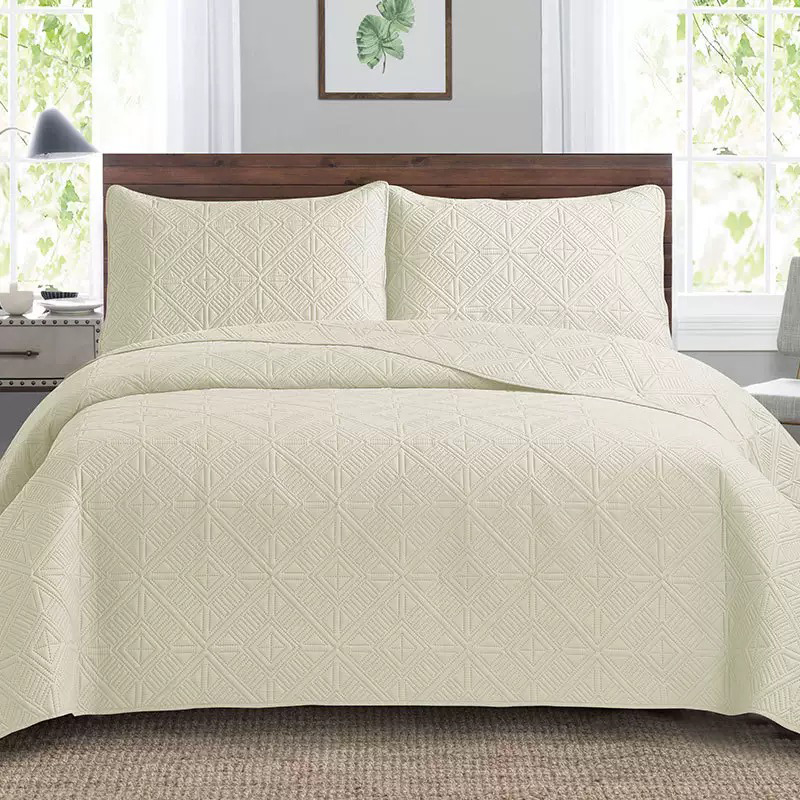
Not all polyester linings behave the same way once they are bonded to a batting layer and a face fabric. The weave structure, yarn denier, and finishing treatment each affect hand feel, breathability, and how well the fabric tolerates repeated washing.
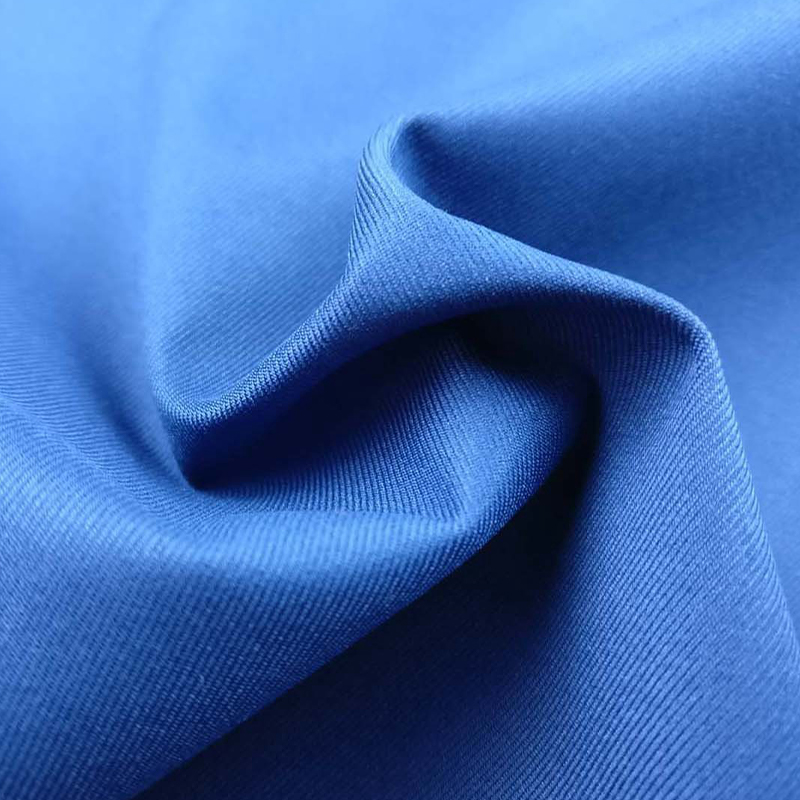
This is the most widely used lining fabric material for mid-range bedspreads. It is produced from spun or filament polyester yarns woven in a simple over-under pattern, which gives it good dimensional stability and a relatively low production cost. Plain weave lining resists tearing along both grain directions, which matters when the fabric is fed through ultrasonic rollers under tension.
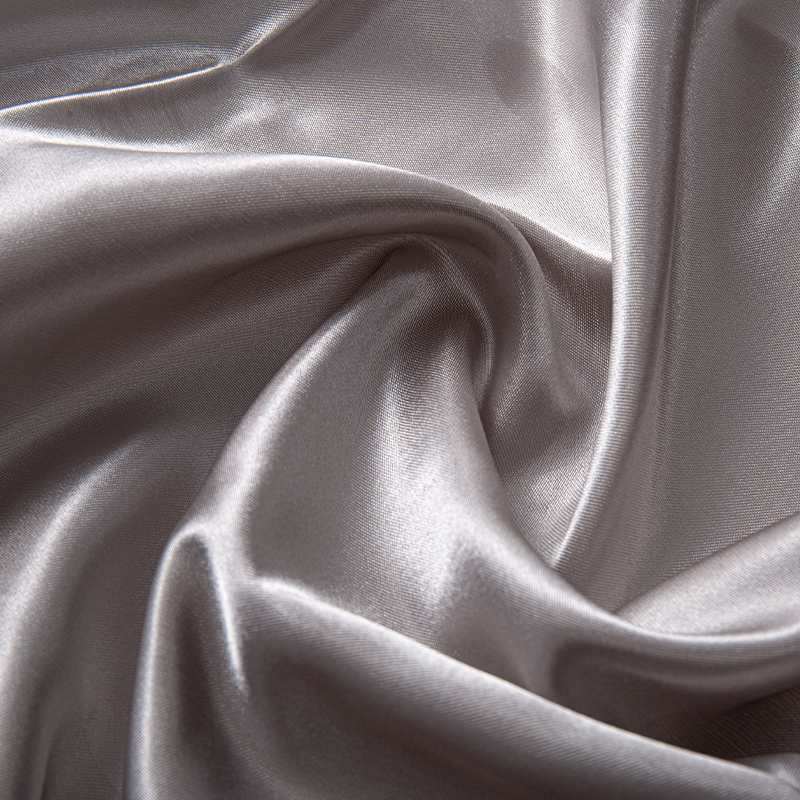
satin lining uses a weave structure where the weft yarns float over several warp yarns before interlacing, producing a smoother surface with a subtle sheen. This construction is preferred for premium bedspreads where the underside of the quilt is visible when folded or displayed, such as in hospitality bedding programs. Satin lining has a softer hand but a slightly lower abrasion resistance compared to plain weave, so it is usually specified at a higher gram per square meter to compensate. The float length of the weft yarn also affects how the fabric reflects light, and a longer float generally produces a more pronounced sheen but reduces the number of interlacing points that hold the structure together, which is why satin lining intended for frequent laundering is usually woven with a shorter, more conservative float than satin used purely for decorative accents.
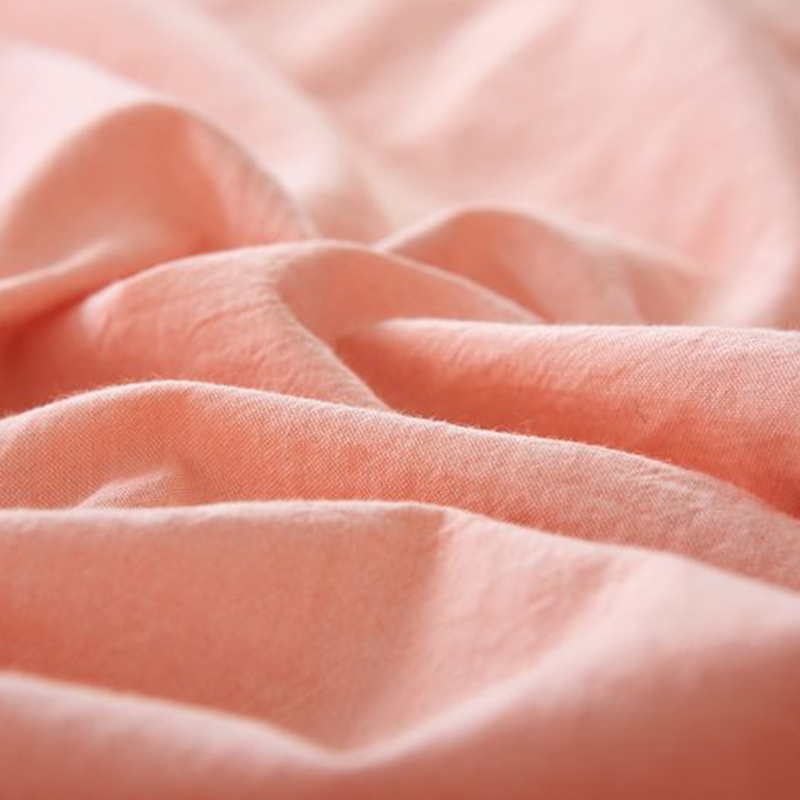
Brushing raises short fibers from the fabric surface, creating a soft, slightly fuzzy texture that traps a thin layer of air and improves the perceived warmth of the quilt. Peach skin finishing is a lighter version of brushing applied mainly to reduce surface friction. Both finishes work well as a comforter lining material in cooler climate markets, though the raised fiber surface requires tighter quality control during ultrasonic bonding since loose fibers can interfere with the weld pattern.
Microfiber polyester, woven from filaments finer than one denier, produces a dense, tightly packed fabric that resists pilling and has strong opacity even at lower fabric weights. It is increasingly used as cloth lining material where manufacturers want to reduce total quilt weight without sacrificing durability, since a lighter microfiber lining can match the strength of a heavier plain weave alternative.
The table below summarizes typical performance ranges observed across common polyester lining constructions used in bedspread and quilt production. Figures represent general industry ranges rather than a single supplier specification.
| Lining Type | Typical Weight (GSM) | Abrasion Resistance | Best Use Case |
|---|---|---|---|
| Plain Weave Polyester | 80 to 120 | High | Everyday and hospitality bedspreads |
| Satin Weave Lining | 100 to 140 | Medium | Premium quilts with visible underside |
| Brushed Polyester | 110 to 160 | Medium to High | Cold climate comforters |
| Microfiber Lining | 60 to 100 | High | Lightweight, compact quilts |
Weight alone is not a reliable predictor of durability. A tightly woven 80 GSM plain weave lining can outlast a loosely woven 140 GSM alternative because thread density, not just fabric mass, determines how well the material resists tearing at the bonding lines.
When comparing quotations from different mills, it helps to ask for the actual thread count per inch alongside the GSM figure, since two rolls with identical weight can carry very different construction. A lower thread count woven from thicker yarn can reach the same GSM as a higher thread count woven from finer yarn, yet the two fabrics will feel and perform differently once bonded and washed repeatedly. Requesting both figures, rather than weight alone, gives a much clearer picture of how a lining will hold up in the field.
Understanding the physical layering of a bedspread helps explain why lining selection cannot be treated as an afterthought. The diagram below shows a simplified cross section of a bonded bedspread assembly.
The lining sits directly against the mattress or against the sleeper's skin depending on how the quilt is used, and it is the layer that receives the most repeated flexing during folding, washing, and drying. A lining fabric that shrinks at a different rate than the face fabric will cause the entire assembly to pucker after a few wash cycles, which is one of the most common complaints in bulk bedding orders.
Traditional quilting stitches the three layers together with thread, which tolerates a wider range of fabric behavior because the thread itself absorbs some of the stress. Ultrasonic bonding instead uses high frequency vibration to melt polyester fibers at contact points, fusing the layers without thread or needle holes. This method is faster and produces a cleaner finished edge, but it places specific demands on the lining fabric.
Because ultrasonic bonding relies on localized melting, the lining needs a sufficiently high polyester content. Blended fabrics with a large percentage of cotton or other natural fiber do not fuse reliably, since natural fibers do not soften under the same vibration frequency. Most linings intended for ultrasonic quilting use 100 percent polyester or a polyester blend with at least 80 percent synthetic content.
A loosely woven lining can shift slightly during the bonding pass, causing the weld pattern to land off center or produce a weak fusion point. Manufacturers producing ultrasonic quilting textiles generally specify a minimum thread count and a stable weave structure to keep the fabric from distorting as it passes under the sonotrode.
Heavily brushed or napped linings can dampen the vibration transfer at the bonding point, leading to incomplete fusion. When a brushed finish is required for hand feel, it is common to specify a lighter brushing intensity specifically for ultrasonic-compatible lining rolls rather than using a standard brushed fabric designed for stitched products.
Even a well specified lining fabric will produce inconsistent results if the ultrasonic equipment is not tuned to match it. Amplitude, pressure, and line speed all interact with fabric thickness and density, so a setting that works well for a lightweight microfiber lining will often be too aggressive for a heavier brushed fabric and can scorch or perforate the material at the weld point. Production teams that switch between lining types frequently benefit from keeping a short reference log of validated machine settings for each fabric specification, rather than relying on operators to adjust settings from memory between production runs.
The following list summarizes the practical checks a production or sourcing team should run before committing to a lining fabric roll for a new bedspread order.
Buyers placing bulk orders for bedspreads and quilts typically source lining fabric separately from the face fabric, sometimes from a different mill entirely. This creates a coordination challenge, since two different suppliers rarely test their materials together before an order ships. A few sourcing practices reduce the risk of mismatched materials reaching production.
Requesting a joint compatibility sample, where the face fabric, batting, and proposed wholesale lining fabric are bonded and washed together before a full order is placed, catches shrinkage mismatches and bonding issues early. This is a small added step in the sourcing timeline that prevents much larger rework costs once thousands of units have already been cut and assembled.
| Sourcing Step | Purpose | Recommended Timing |
|---|---|---|
| Joint compatibility sample | Catch shrinkage and bonding mismatches | Before bulk order confirmation |
| Roll width audit | Reduce cutting waste | At incoming goods inspection |
| Colorfastness check | Prevent bleed-through on light face fabrics | Sample stage |
| Bonded wash retest | Confirm long term seam durability | After first production run |
Most lining-related defects reported in finished bedspreads trace back to a small set of root causes. Recognizing these patterns early helps production teams adjust specifications before a full batch is affected.
Puckering usually results from a shrinkage mismatch between the lining and the face fabric. The fix is a matched shrinkage test, not a heavier lining, since adding weight does not correct a differential shrinkage problem.
Weak welds are typically caused by insufficient polyester content, an overly loose weave, or a lining that is too thick for the sonotrode setting used on a given line. Adjusting either the fabric specification or the machine parameters, and testing the two together, resolves most of these cases.
Pilling develops faster on loosely twisted staple yarns. Specifying a tighter yarn twist or shifting to a filament-based lining reduces pilling without changing the overall fabric weight.
Dark lining fabric can show through a light, low-opacity face fabric. Increasing lining opacity through tighter weave density, or selecting a lighter lining color for pale face fabrics, avoids this without adding cost through extra fabric layers.
Buyers occasionally report that lining fabric feels noticeably different between separate shipments of the same specification. This usually traces back to finishing process variation between production batches at the mill, particularly for brushed or peach skin finishes where brushing pressure and pass count are harder to hold constant than base weaving parameters. Requesting a retained physical sample from each production lot, rather than relying solely on a written specification sheet, makes it easier to catch this kind of drift before a large order ships.
The lining fabric a manufacturer chooses does not only affect how a quilt performs on the production line, it also determines what care instructions can realistically be printed on the finished product. Retailers and end customers rely on that care label, and a mismatch between the actual fabric behavior and the printed instructions leads to returns and complaints that are difficult to trace back to a root cause.
Polyester in general tolerates warm machine washing well, but finishing treatments applied to the lining, such as softening agents or brushing, can lower the safe temperature threshold before the finish begins to degrade. A lining that has not been tested at the actual wash temperature specified on the care label risks losing its hand feel or developing surface pilling well before the rest of the quilt shows wear.
Tumble drying at high heat accelerates any latent shrinkage difference between the lining and face fabric that a cooler wash cycle might not fully reveal. Manufacturers that only test shrinkage using a line-dry method sometimes miss a shrinkage gap that only appears once the product reaches a customer using a home dryer on a standard heat setting. Testing under the most demanding realistic care scenario, rather than the gentlest one, gives a more reliable picture of long-term product behavior.
Ultrasonic bonded seams are more sensitive to direct high heat pressing than stitched seams, since excessive heat applied directly over a weld point can soften the fused polyester fibers a second time. Care labels for ultrasonic bonded bedspreads typically recommend a lower iron setting or steam-only treatment near the seam lines, and lining fabric selection should account for this by avoiding finishes that require higher heat to maintain their appearance.
Most production lines require close to 100 percent polyester, or at minimum around 80 percent synthetic content, since natural fibers do not respond consistently to the localized heat generated during ultrasonic vibration.
Satin lining can be used in everyday products, but its lower abrasion resistance compared to plain weave means it performs best in a slightly heavier weight or in products where the lining sees less direct friction, such as when it faces the mattress rather than open air.
There is no universal number, since acceptable variance depends on the seam and bonding method, but keeping the difference as close to zero as possible through matched fiber content and finishing avoids the visible puckering that shows up after repeated washing.
Not necessarily. Weave density and yarn quality often matter more than raw fabric weight, and a well constructed lighter lining can outperform a poorly woven heavier one in both durability and drape.
Yes, but the brushing intensity should be reduced compared to standard brushed fabric, since heavy nap can dampen vibration transfer and produce inconsistent weld points.
Lining fabric is the woven or knitted layer that forms the underside surface of the quilt, while batting is the loose fiber fill sandwiched between the face fabric and the lining that provides loft and insulation. They serve different structural roles even though both are commonly made from polyester.



+86-137 0672 2970+86-137 5728 0930

Copyright © Changxing Dinghao Textile Co., Ltd.
All Rights Reserved.
Wholesale Microfiber Upholstery Fabric Factory
