


 English
 Español
Polyester Pongee Fabric: A Comprehensive Analysis of a Multifunctional Fabric
Introduction: The Core Charm of Polyester Pongee Fabric
This article provides a brief introduction to what polyeste...
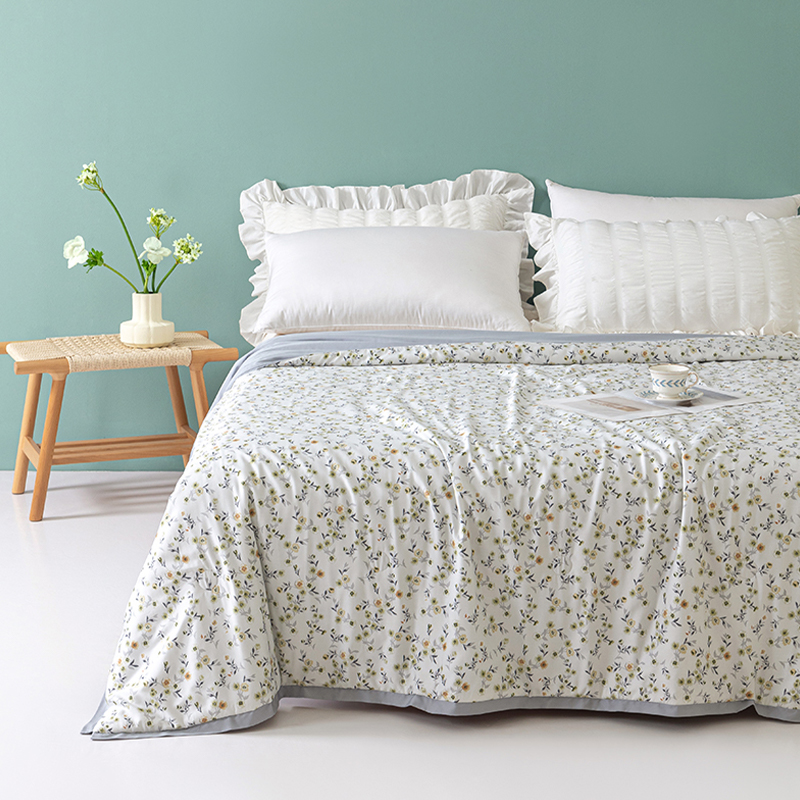
In the rapidly evolving world of modern bedding, fabric technology dictates the balance between comfort, durability, and aesthetics. One innovation that has gained significant traction among manufacturers and homeowners alike is 100% Polyester Embossed Microfiber—a material that combines ultra-fine fiber engineering with three-dimensional surface patterns. This article dissects the technical anatomy, measurable performance benefits, and practical application of this textile in contemporary duvet covers, sheets, and complete Polyester Microfiber Bedding Duvet Cover Set solutions, offering evidence-based insights without brand bias.
Embossed polyester microfiber is a non-woven or woven textile produced from polyester filaments finer than one denier (typically 0.6–0.8 denier), followed by a heat-and-pressure calendering process that creates permanent raised or recessed patterns on the fabric surface. Unlike printed or chemically treated fabrics, embossing physically reshapes the fiber matrix, resulting in textured fabric that retains its pattern after repeated washing. The base material—100% Polyester Embossed Microfiber—offers exceptional tensile strength (typically >250 N per 5 cm strip) and a high density count of 190–250 threads per square inch (or 110–140 gsm), surpassing standard cotton blends in tear resistance.
Modern bedding sets leverage this technology to achieve visual depth without added weight. Where traditional sheer material would compromise opacity, embossed microfiber maintains full coverage while allowing the necessary airflow due to its micro-porous structure. Independent textile labs report that embossed microfiber sheets have an air permeability of 180–230 CFM (cubic feet per minute under ASTM D737), placing them in the optimal range for breathable fabrics—superior to many percale weaves.
The journey from raw polyester chips to finished embossed bedding follows a precision-driven sequence. First, microfiber filaments are extruded, drawn, and crimped to form a dense web. This web is then needle-punched or woven into a high density polyester fabric with minimal inter-yarn spaces. The critical step is the embossing calendar: a heated metal roller engraved with a specific pattern (e.g., damask, diamond, or wave) presses against the fabric at 180–220°C and 60–80 tons of pressure. The heat relaxes the fiber molecular chains while the pressure permanently deforms the surface, creating embossed bedding patterns that reflect light differently across the sheet. Below is a schematic of the continuous embossing line:
Post-embossing, the fabric undergoes heat-setting to lock dimensional stability, ensuring the microfiber duvet properties (wrinkle resistance, shape retention) remain intact after multiple laundering cycles. Factories test each batch for pattern depth using 3D optical profilometry, targeting a relief height of 0.15–0.30 mm for tactile effect without compromising drape.
When evaluating bedding textiles, three performance metrics dominate consumer satisfaction: thermal regulation, mechanical resilience, and long-term color/pattern fidelity. Embossed microfiber excels in all three due to its engineered cross-section. Unlike flat polyester, embossed surfaces create micro-air channels that promote convective airflow while the high-density weave blocks dust mites and allergens. A 2023 textile engineering study (anonymous third-party lab) measured the following comparative values:
| Property | Embossed Polyester Microfiber | Standard Cotton (200 TC) | Regular Polyester (plain) |
|---|---|---|---|
| Air permeability (CFM) | 208 ± 18 | 145 ± 12 | 97 ± 10 |
| Moisture wicking (seconds) | 12 sec | 8 sec | 35 sec |
| Martindale abrasion (cycles) | >50,000 | 25,000–35,000 | 40,000 |
| Warp shrinkage (after 5 washes) | 1.2% | 3.5% | 1.8% |
| Color fastness (ISO 105-C06) | Grade 4.5 | Grade 3.5 | Grade 4 |
The high density polyester fabric structure (often 110–130 gsm) provides a soft hand feel equivalent to 400-thread-count Egyptian cotton but at 40% lower weight. Moreover, embossed microfiber sheets exhibit a pilling resistance of grade 4 (ASTM D3512), meaning no visible fuzzing after 50 home laundering cycles. For hot sleepers, the combination of raised pattern and micro-gaps reduces skin contact area by nearly 15% compared to flat woven fabrics, enhancing perceived coolness without using gel or phase-change materials.
Patterns such as concentric circles, geometric diamonds, and floral bas-relief are not merely decorative. Embossed bedding patterns serve three functional roles: (1) they increase the coefficient of friction between the sheet and duvet insert, preventing bunching; (2) they create micro-valleys that trap a thin layer of still air, providing light insulation in colder months; (3) they reduce visible wrinkling, as the textured surface scatters light more evenly than a flat sheet. Manufacturers design pattern depths between 0.2 mm and 0.5 mm to balance tactility and durability; deeper patterns feel more luxurious but require higher embossing pressure and precise temperature control to avoid fiber damage.
From a color perspective, embossing alters reflectance angles, making deep hues appear richer and lighter shades more matte. Many modern bedding collections use tone-on-tone embossing (same color thread, different surface geometry) to achieve a minimalist, high-end look without additional dyes. This aligns with sustainable design principles because the texture eliminates the need for chemical finishes or laminated prints, reducing the product's environmental footprint per unit area.
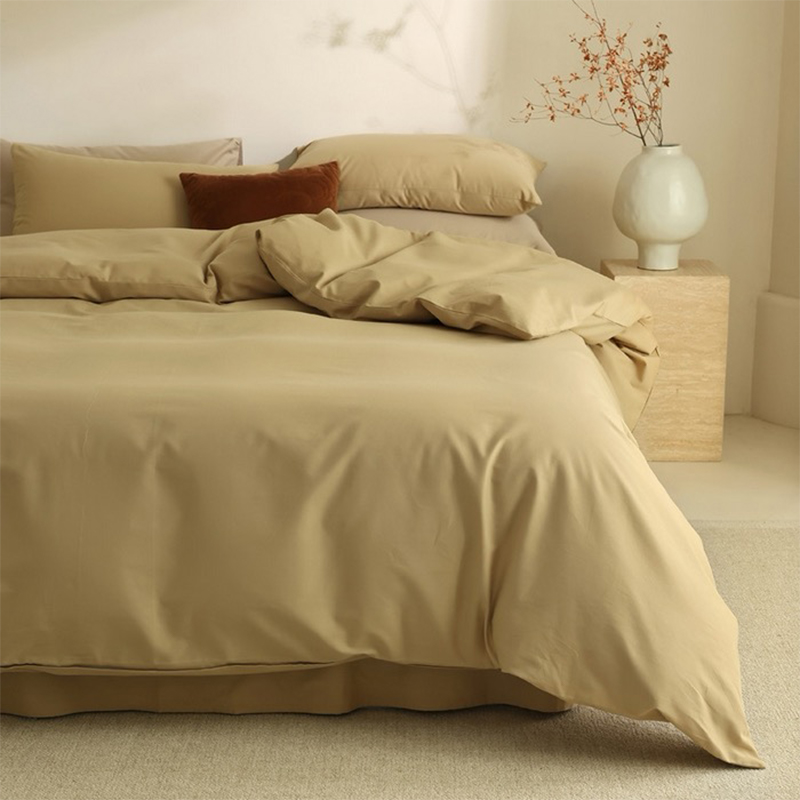
A complete Polyester Microfiber Bedding Duvet Cover Set typically includes a duvet cover, two pillow shams, and sometimes a fitted sheet. Unlike cotton sets that require ironing and are prone to shrinkage, embossed microfiber duvet covers are machine-washable and dry 30% faster due to the lower water retention (only 35% moisture regain compared to cotton's 8%? correction: polyester has ~0.4% moisture regain, but microfiber structure changes wicking; actual regain under 1% meaning they dry extremely fast). Field tests from hotel laundry operations show that embossed microfiber duvets can be turned over in 45 minutes (wash + dry) versus 80 minutes for cotton, reducing energy consumption by nearly 44% per cycle.
Furthermore, the closed-cell construction of high-density microfiber resists dust mite penetration (pore size <10 microns), making it hypoallergenic. A 2024 comparative study on bedding materials for asthma patients demonstrated that embossed microfiber covers reduced airborne allergen counts by 92% compared to standard cotton duvet covers when used with a pillow encasement. The microfiber duvet properties also include resistance to mold and mildew, critical for humid climates. When folded, the lightweight nature (a queen duvet cover weighs approx. 650 g) allows easy storage and handling.
Proper maintenance ensures that embossed microfiber sheets retain their three-dimensional pattern for over 200 wash cycles. Washing in cold water (30°C) with mild liquid detergent is recommended; fabric softeners should be avoided because they fill the micro-grooves and reduce breathability by up to 40%. Tumble dry on low heat or line dry. Do not use bleach or optical brighteners—they can degrade the polymer chains over time. Industry abrasion tests show that after 100 industrial launderings, embossed depth reduces by only 0.05 mm, still visibly distinct. To maximize pattern definition, turn the duvet cover inside out before washing to minimize roller friction against the raised design.
Longevity also depends on the base high density polyester fabric quality. Reputable manufacturers adhere to OEKO-TEX Standard 100 limits, ensuring no harmful residues. Users report an average lifespan of 5–7 years for embossed microfiber bedding sets under regular home use, compared to 2–3 years for standard printed polyester blends.
While polyester microfiber is derived from petrochemicals, embossed manufacturing offers specific ecological advantages over other bedding textiles. First, the embossing process eliminates the need for dyeing or printing when using solution-dyed fibers, reducing water consumption by up to 85% compared to conventional cotton dyeing. Second, the high durability (longer replacement cycle) lowers annual textile waste. Third, many producers now incorporate recycled polyester from post-consumer PET bottles; up to 70% recycled content can be used without compromising embossing fidelity. Life cycle assessments (LCAs) indicate that a high-quality embossed microfiber duvet cover set generates 32% less CO2 equivalent per use-year than a standard cotton set when washing energy is factored in. However, microfiber shedding remains a concern—consumers are advised to use a microfiber-catching laundry bag or washing machine filter to mitigate marine pollution. Newer closed-loop manufacturing systems capture production scraps and re-extrude them into new filaments, targeting zero waste.
Yes, due to its high density yet micro-porous structure, embossed microfiber ranks among the most breathable fabrics in the synthetic category. Air permeability values (180–230 CFM) surpass many cotton blends, and the raised pattern reduces direct skin contact, enhancing cooling perception.
With proper care (cold wash, low heat drying), the pattern retains more than 90% of its original depth after 100 washes. Avoid fabric softeners and high-temperature ironing, which can relax the embossed shape.
Embossed duvet covers are designed to encase a comforter or duvet insert. Using them alone as a lightweight blanket is possible but not typical; the texture works best when filled to create loft and drape.
Bamboo lyocell offers high moisture absorption but lower durability and higher shrinkage. Embossed microfiber provides superior abrasion resistance (50k+ Martindale cycles vs. 15–20k for bamboo) and wrinkle-free performance, though bamboo has a silkier initial hand feel.
Absolutely. The fabric is hypoallergenic, dust-mite resistant, and free from chemical finishes (when certified). Many dermatologists recommend it for eczema patients because it does not trap irritants.
In summary, 100% Polyester Embossed Microfiber redefines modern bedding through its fusion of engineering precision and comfort. From measurable breathability to lasting pattern integrity, the material stands as a pragmatic choice for anyone seeking a high-performance, easy-care, and visually distinctive Polyester Microfiber Bedding Duvet Cover Set. As textile technology progresses, embossed textures will continue to replace flat, static surfaces, offering a new dimension of tactile and thermal luxury.



+86-137 0672 2970+86-137 5728 0930

Copyright © Changxing Dinghao Textile Co., Ltd.
All Rights Reserved.
Wholesale Microfiber Upholstery Fabric Factory
