


 English
 Español
Polyester Pongee Fabric: A Comprehensive Analysis of a Multifunctional Fabric
Introduction: The Core Charm of Polyester Pongee Fabric
This article provides a brief introduction to what polyeste...
Polyester satin bedding represents a major advancement in home textiles, blending the sleek, lustrous aesthetic of traditional silk with the durability and resilience of synthetic fibers. Unlike continuous filament silk, which requires delicate handling, high-quality woven synthetic satin can withstand regular laundering if processed correctly. Achieving optimal longevity and maintaining that signature frictionless glide requires a firm grasp of specific laundry parameters, water temperatures, and structural maintenance protocols.
Proper care is not merely about keeping bedding clean; it is about protecting the microscopic weave architecture that gives satin its signature sheen. Rough handling, incorrect temperatures, and improper chemical exposures can cause friction damage, resulting in pilling, fiber distortion, and a permanent loss of luster. This comprehensive guide outlines the technical procedures required to wash, dry, de-wrinkle, and preserve your synthetic bedding investments over hundreds of laundry cycles.
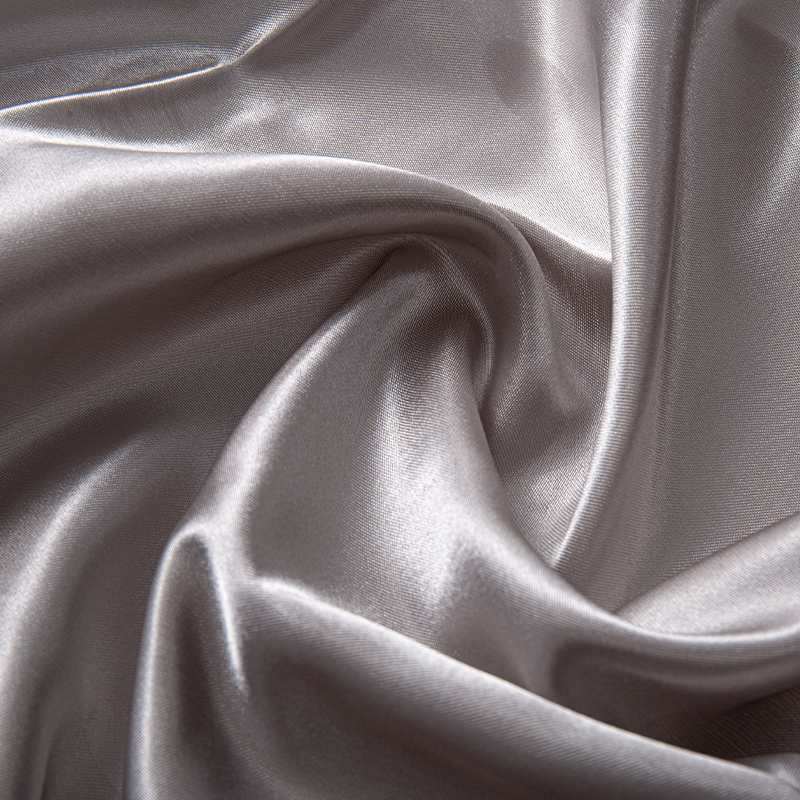
To master polyester bed sheet sets maintenance, one must understand how these fabrics are engineered. Satin is not a raw fiber material; rather, it is a specific weaving technique characterized by long, floating warp threads that sit predominantly on the surface of the textile. When executed with fine synthetic filaments, such as high-density polyester or fine-grade microfiber, the resulting fabric offers exceptional tensile strength coupled with a smooth, light-reflective surface.
However, these long floating threads mean that satin weaves are uniquely susceptible to mechanical friction. If rubbed against coarse textiles like canvas, heavy denim, or even rough terrycloth towels during a wash cycle, these fine filaments can snap or pull away from the weave structure. This causes a fuzzy appearance known as pilling, which destroys the smooth texture. By deploying dedicated satin bedding care protocols, you preserve the structural alignment of these surface floats, keeping your sheets smooth and gleaming over time.
Note on Microfiber vs. Woven Satin: While washing microfiber sheets requires similar temperature controls to avoid structural melting, woven polyester satin requires extra caution regarding mechanical abrasion. Microfiber relies on tightly packed, brushed surfaces, whereas satin depends entirely on undisturbed filament continuity to maintain its signature friction-free feel.
When studying how to wash satin sheets, consistency and setting control are paramount. Synthetic fibers are thermoplastic, meaning they are sensitive to ambient and fluid temperatures. High thermal energy softens the synthetic polymers, making them prone to permanent wrinkling and structural distortion. The following methodologies provide clear, step-by-step instructions for both automated and manual laundering techniques.
Automated washing machines offer excellent cleaning efficiency, provided the mechanical forces are regulated. Follow this sequence to prevent fabric degradation:
For high-end or ultra-lightweight synthetic satin variations, manual washing provides the safest possible cleaning environment. This method completely eliminates the risk of centrifugal tearing and high-velocity friction:
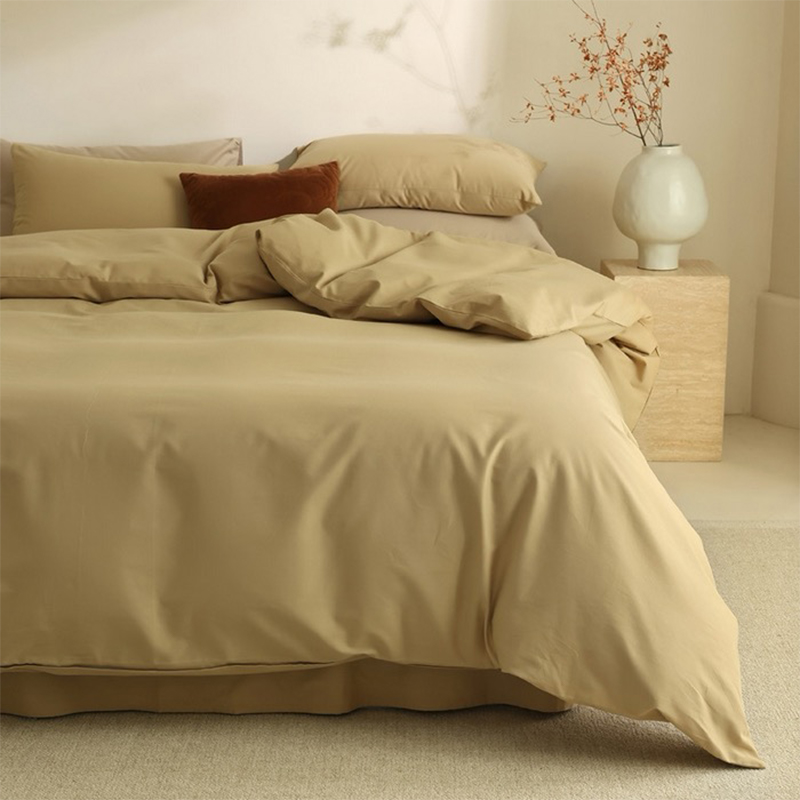
Pillowcases require a modified approach due to their direct contact with human skin, hair follicles, nighttime creams, and cosmetics. When discovering how to wash satin pillowcase sets, you must address heavy organic oil accumulation without degrading the fabric surface. Residual sebum and beauty products can oxidize over time, turning yellow and degrading the synthetic fibers if left untreated.
Because pillowcases are relatively small, they are highly prone to getting tangled inside larger items during a wash cycle. Therefore, the use of a protective mesh laundry bag is mandatory. This creates a physical barrier against friction while allowing water and detergent to circulate freely.
| Care Component | Target Standard for Polyester Satin Pillowcases |
|---|---|
| Pre-Treatment | Apply enzyme-free liquid detergent directly to oil spots; rub gently with fingertips. |
| Containment | Place individual pillowcases inside a zippered mesh laundry bag before washing. |
| Detergent Type | Use a liquid detergent designed for delicates, free of optical brighteners and bleach. |
| Cycle Frequency | Wash every 5 to 7 days to eliminate facial oils and cosmetic buildup. |
For stubborn cosmetic stains, pre-treat the dry fabric before washing. Moisten the stained area with cool water, apply a drop of mild liquid dish soap or delicate laundry detergent, and smooth it over the area using your fingers. Let it rest for 10 minutes before washing. Never use abrasive scrubbing brushes or bleach, as these weaken the polyester fibers and strip away their glossy finish.
Because polyester is a thermoplastic medium, wrinkles develop when the fabric is heated and then compressed while cooling down. Learning how to get wrinkles out of satin requires careful temperature control. Unlike natural cotton, which can handle intense steam and high iron temperatures, synthetic satin requires a cautious approach.
Yes, you can iron satin, but you must follow strict safety procedures to avoid scorching the material. A careless mistake with a hot iron can instantly ruin an entire sheet set. Follow these steps to iron your bedding safely:
If you want to remove wrinkles from polyester sheets without an iron, there are safer methods available. The easiest approach is to hang the wrinkled bedding in the bathroom while taking a hot shower. The ambient steam will gently relax the polyester fibers without exposing them to direct heat. Within 15 to 20 minutes, gravity will pull the minor wrinkles down, leaving a smooth surface.
Another option is using a specialized handheld garment steamer. Hold the steamer nozzle at least 6 inches away from the hanging satin, moving it smoothly across the fabric. Never press the hot metal nozzle directly against the material, as this can cause localized shrinkage or fiber melting.
To keep your bedding looking and feeling its best, avoid aggressive laundry chemicals. Many standard laundry products contain additives that can harm synthetic textiles over time.
Chlorine bleach should never be used on synthetic satin. It attacks the core polyester polymer chains, causing yellowing, fiber thinning, and premature tearing. For stubborn stains or dingy white sheets, use oxygen-based brighteners dissolved in lukewarm water instead.
Liquid fabric softeners should also be avoided. Softeners coat fabric fibers with a thin layer of hydrophobic chemicals to make them feel softer. On polyester satin, this coating builds up over time, dulling its natural sheen, trapping body oils, and reducing the fabric's ability to wick away moisture. A clean, residue-free wash cycle is all that is needed to preserve the natural softness of synthetic bedding.
Loss of shine is typically caused by high wash temperatures, fabric softener buildup, or friction with rough fabrics. Laundering satin sheets in hot water or using a standard dryer setting can distort the microscopic surface filaments, changing how they reflect light. To prevent this, always wash in cold water, avoid fabric softeners, and keep your satin separate from other laundry items.
Satin sheets should be laundered every one to two weeks to eliminate skin cells, body oils, and sweat. Satin pillowcases should be washed every week, as they accumulate concentrated amounts of facial oils, hair products, and skin creams. Regular, gentle washing prevents these substances from building up and discoloring the fabric.
Yes, you can use stain removers, but avoid harsh formulations containing solvents or bleaching agents. Test any commercial stain treatment on a small, hidden corner of the sheet first to ensure it does not alter the fabric color or finish. For best results, gently apply mild liquid detergent directly to the spot before washing.
Store your clean, completely dry satin sheets in a cool, dark, well-ventilated linen closet or storage box. Avoid storing them in sealed plastic bins or vacuum bags, which can trap residual moisture and lead to musty odors. Fold them neatly to prevent sharp, deep creases from setting into the fabric over time.
While polyester is technically compatible with standard dry cleaning processes, it is generally unnecessary and costly. The harsh solvents used in dry cleaning can sometimes strip away specialized surface finishes. Gentle home laundering in cold water is the most effective and safest method for maintaining your bedding long-term.



+86-137 0672 2970+86-137 5728 0930

Copyright © Changxing Dinghao Textile Co., Ltd.
All Rights Reserved.
Wholesale Microfiber Upholstery Fabric Factory
