


 English
 Español
Polyester Pongee Fabric: A Comprehensive Analysis of a Multifunctional Fabric
Introduction: The Core Charm of Polyester Pongee Fabric
This article provides a brief introduction to what polyeste...
Selecting the right bedding fabric is more than a tactile decision—it directly impacts sleep quality, durability, and maintenance efforts. Among synthetic textiles, polyester-based materials dominate the market due to their resilience and cost-effectiveness. This technical guide dissects three prominent bedroom fabrics: polyester bedsheet fabric variants including satin, chiffon, and taffeta. We will explore weave structures, performance metrics, and real-world suitability, helping you make an informed choice without marketing bias.
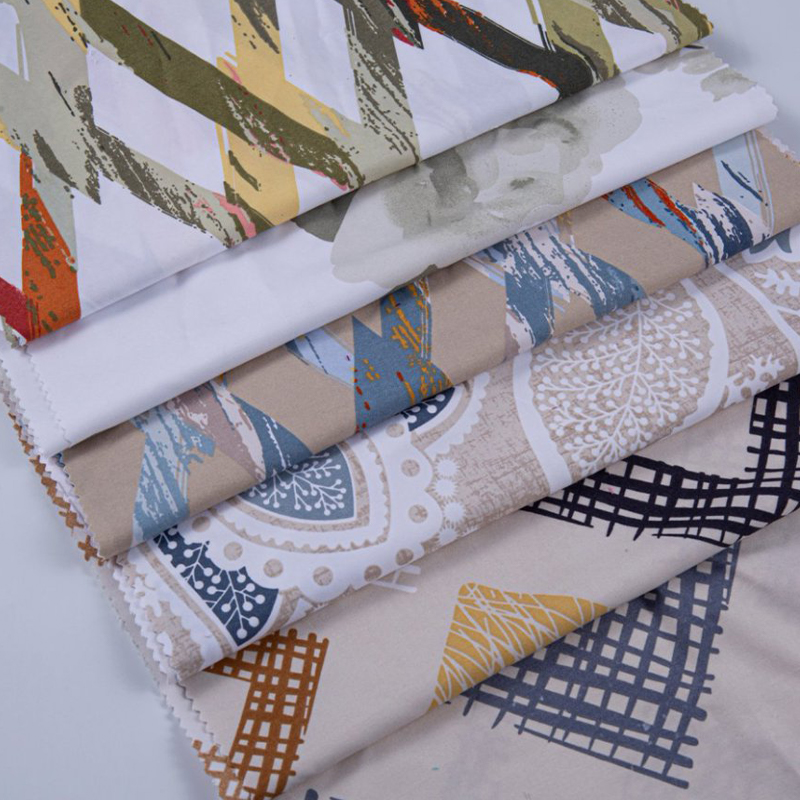
While all three originate from polyester yarns, their weaving techniques, filament counts, and finishing processes yield radically different textures. Understanding these differences is crucial when choosing bedding fabric materials.
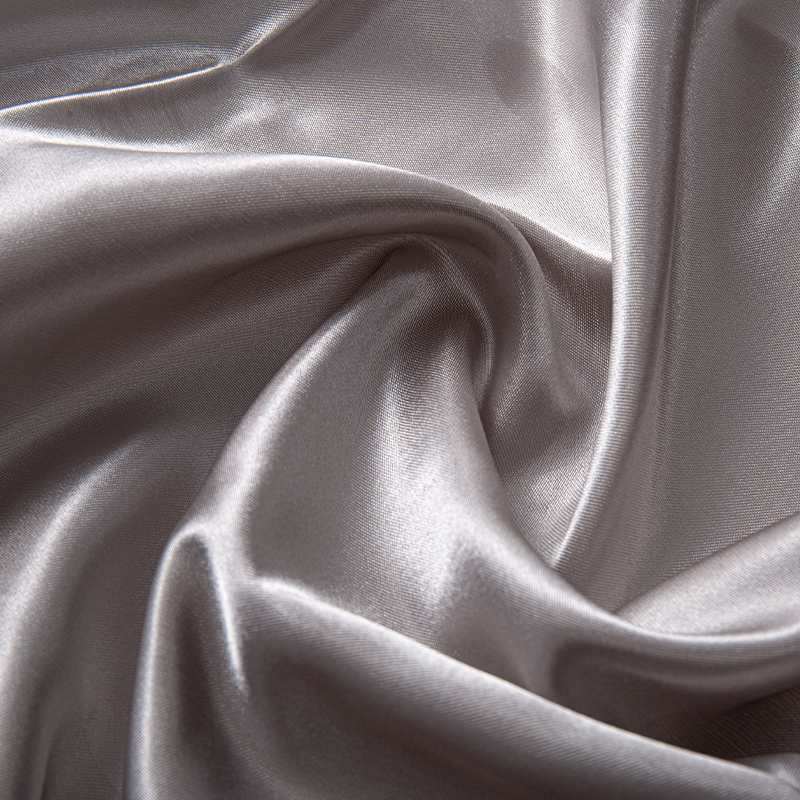
Satin refers to a weave where four or more weft threads float over a single warp thread, creating a glossy surface and dull back. Polyester satin mimics silk’s luster but offers superior tensile strength and colorfastness. Typical satin bed sheets have a 300–600 thread count range, with a smooth hand feel and moderate breathability.
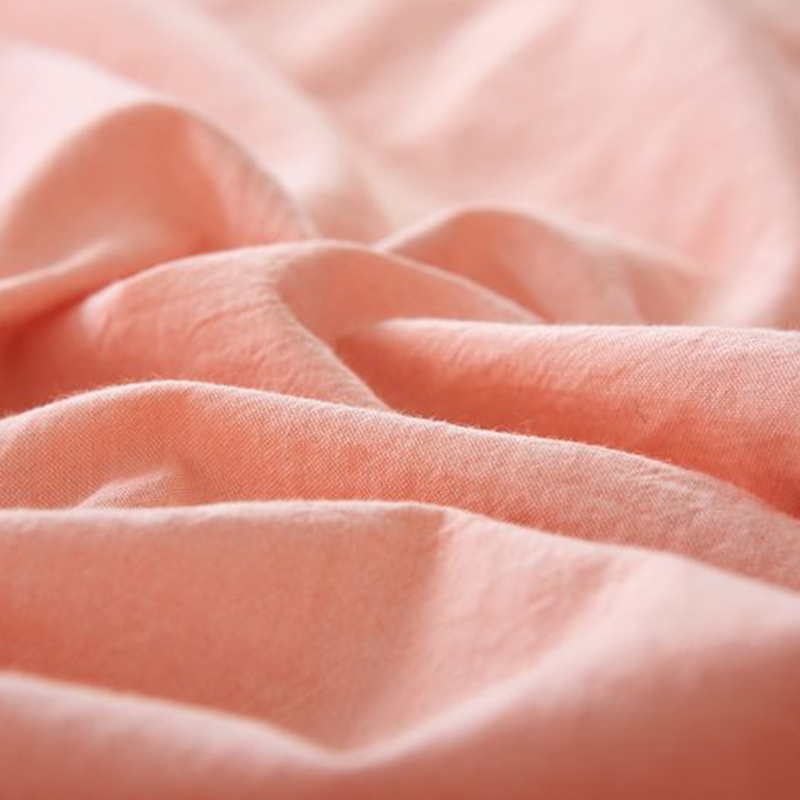
Chiffon material is defined by its plain weave using highly twisted S- and Z-twist yarns. This creates a lightweight, sheer, and slightly rough texture due to the alternating twist directions. In bedding applications, chiffon is often used as decorative layers or summer blankets because of its airy drape and moisture-wicking capability. Standard chiffon weighs only 15–30 GSM (grams per square meter).
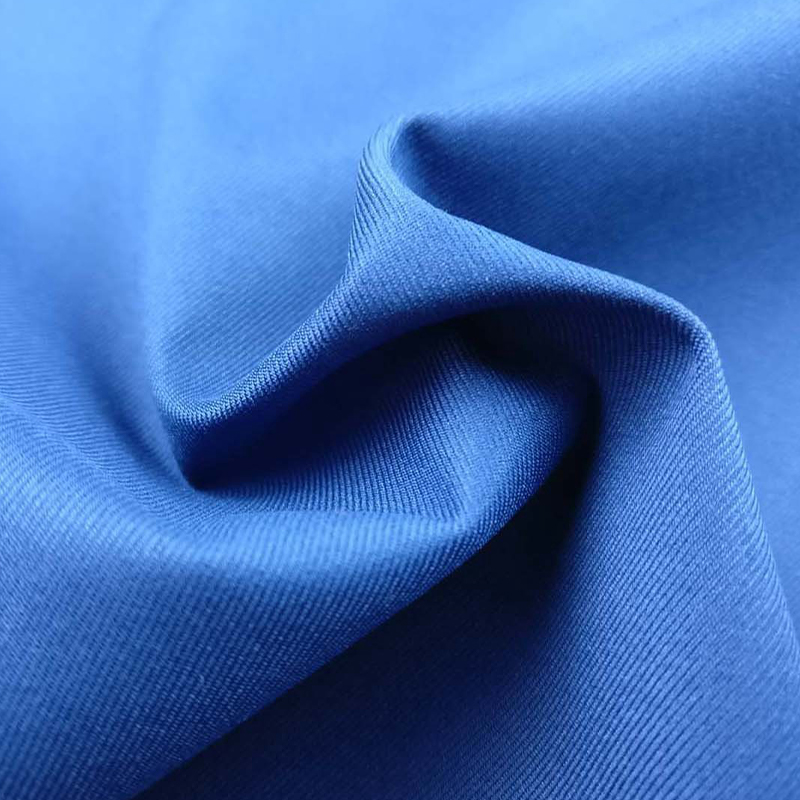
Taffeta fabric employs a crisp plain weave with fine, high-twist yarns, resulting in a smooth, rustling texture and slight stiffness. Historically made from silk, modern polyester taffeta fabric maintains the characteristic “scroop” (crackling sound) and holds shape well. For bedding, taffeta appears in duvet covers and top sheets where wrinkle resistance and a structured appearance are desired. Taffeta typically has higher density (200-400 ends per inch) than chiffon but lower than sateen.
Each fabric serves distinct bedroom roles. The following sections compare performance through technical data and real-case durability tests.
The debate of chiffon vs satin goes beyond surface feel. From yarn twist to finishing methods, these two materials represent opposite ends of the polyester spectrum.
Key Distinction: Satin prioritizes gloss and drape with a flat, slippery surface; chiffon emphasizes translucency and breathability but offers less insulation. For year-round bedding, satin is favored for cool-to-touch sensation, while chiffon excels in humid climates due to rapid moisture evaporation.
In a controlled hotel trial involving 120 guest rooms, polyester satin sheets retained 95% of their original tensile strength after 150 commercial washes, while chiffon overlays showed pilling after 80 cycles. This validates chiffon’s suitability for decorative throws rather than primary fitted sheets.
When considering polyester vs silk satin, polyester satin provides equal visual sheen at one-third the cost, plus stain resistance and machine-wash convenience. Modern micro-denier polyester satin (50 denier) mimics silk’s fluidity while maintaining double the tear strength—an essential factor for households with pets or restless sleepers.
Polyester taffeta fabric remains underrated in bedding, yet it offers unique benefits for specific applications. Its high-thread-density (typically 300T) and balanced plain weave produce a paper-like crispness that resists wrinkling even after folding.
Data from a textile lab study compared taffeta, satin, and chiffon against 10 cycles of standard washing (40°C, tumble dry low). Taffeta exhibited the lowest shrinkage (<0.8%), while chiffon shrunk 2.3% and satin 1.5%. Taffeta also demonstrated the highest seam slippage resistance (55 lbf), making it a robust choice for frequently changed bedding.
To simplify the selection process, the table below quantifies six critical parameters for each fabric. Values reflect industry averages for 100% polyester variants (not blends).
This data confirms that no single fabric dominates all categories. For daily-use bedsheet fabric, satin provides the optimal balance between comfort and maintenance, while taffeta excels in accent pieces, and chiffon offers seasonal versatility.
For consumers prioritizing longevity, understanding mechanical and chemical durability is essential. Lab tests on durable bedding fabrics often measure tensile strength, pilling resistance, and color retention after laundering.
Independent testing (ASTM D4966) on 100% polyester samples: satin achieved Grade 4 (out of 5) after 10,000 cycles; taffeta Grade 5 (no noticeable pilling); chiffon Grade 3 with minor surface fuzzing. In a simulated 3-year household usage (weekly washing), satin bedsheets maintained structural integrity, while chiffon decorative pillows required replacement after 18 months due to edge fraying.
All three fabrics exhibited excellent resistance to fading (AATCC 16, rating 4.5) up to 40 hours of UV exposure. However, chiffon’s open weave allows deeper detergent penetration, slightly accelerating dye loss (ΔE 1.8 vs 0.9 for satin after 50 washes). Taffeta leads with ΔE 0.7, making it ideal for bold printed bedding.
Case study: Extended-stay apartments
A 200-unit apartment complex switched from cotton-blend to polyester satin fabric for all bedsheets. After 2 years of use (approx. 260 wash cycles), only 7% of sheets showed seam damage, and surface pilling remained minimal. Replacement costs dropped by 41% compared to prior cotton inventory. Chiffon throws in the same units lasted just 14 months before needing replacement.
Selecting among these three starts with evaluating your sleep environment, maintenance capacity, and aesthetic goals. Use the decision flow below.
Choosing bedsheet materials also involves climate considerations. For hot and humid regions (average night humidity >70%), chiffon’s moisture-wicking ability reduces clamminess. In temperate or air-conditioned rooms, satin provides a cool-to-touch sensation without excessive airflow. For minimalist, crisp aesthetics (Scandi or modern luxury), taffeta’s structured silhouette elevates the bed’s visual line.
Additionally, polyester vs silk satin cost analysis: silk satin sheets average $250–500 per set, while polyester satin alternatives range $30–80. Polyester offers comparable smoothness and easier care (machine wash, tumble dry). However, if natural temperature regulation is non-negotiable, silk remains superior. For most consumers, high-quality polyester satin delivers 90% of the benefits at 20% of the cost, making it a pragmatic choice.
Extending the life of your polyester bedding requires simple adjustments. Follow these guidelines based on fabric type.
Industry data: Properly maintained polyester satin bedding can last 5–7 years, chiffon decorative items 2–3 years, and taffeta duvet covers 4–6 years. Replacing items when pilling becomes visible or seams loosen ensures hygiene and comfort.
Yes, high-quality polyester satin is hypoallergenic and non-irritating. Unlike silk, it doesn’t harbor dust mites easily due to its non-porous surface. However, individuals with extreme perspiration may prefer chiffon for better evaporation.
Chiffon bedsheets are best for summer or tropical climates because of their lightweight and breathable nature. In winter, they lack insulation; layering with a heavier duvet is recommended.
Satin produces little to no rustling sound due to its floating yarn structure. Taffeta has a distinct crinkling sound (“scroop”) when moved, which some sleepers find distracting.
No. Quality polyester taffeta uses continuous filament yarns and tight weave, greatly reducing pilling. It outperforms many cotton-polyester blends in abrasion tests.
Chiffon is superior for hot sleepers due to its open weave and low thermal retention. Satin can feel warmer but offers a slick surface that reduces friction and night tossing.



+86-137 0672 2970+86-137 5728 0930

Copyright © Changxing Dinghao Textile Co., Ltd.
All Rights Reserved.
Wholesale Microfiber Upholstery Fabric Factory
