


 English
 Español
Polyester Pongee Fabric: A Comprehensive Analysis of a Multifunctional Fabric
Introduction: The Core Charm of Polyester Pongee Fabric
This article provides a brief introduction to what polyeste...
Polyester Peach Skin Fabric is widely recognized for its soft texture, smooth finish, and elegant appearance, making it a preferred choice in apparel, home décor, and accessories. However, like all textiles, polyester peach skin fabric is susceptible to staining from various sources, including food, beverages, oils, and environmental contaminants.
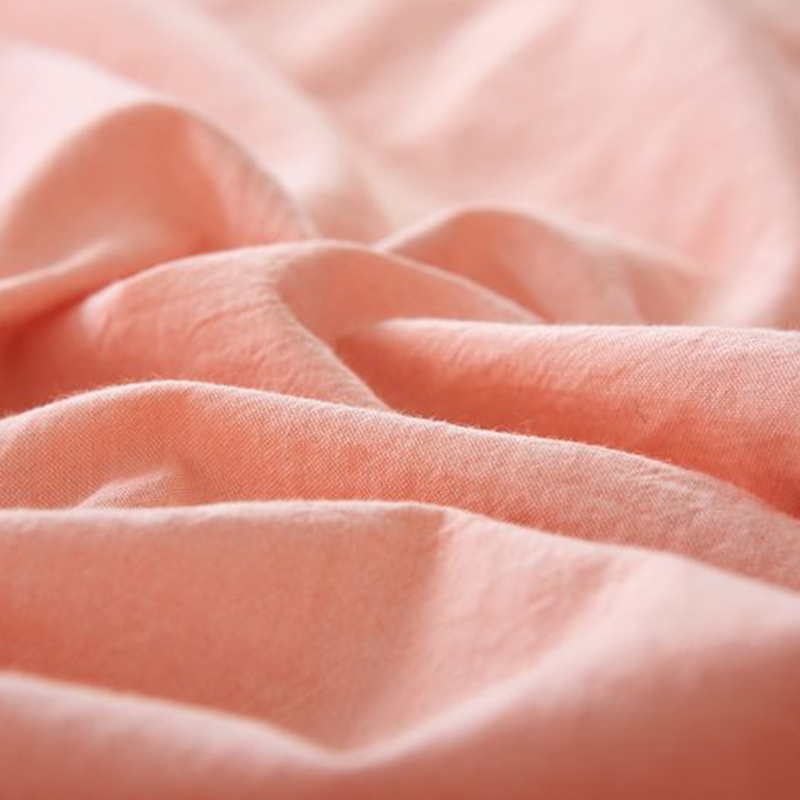
Polyester peach skin fabric is a type of polyester material with a finely brushed surface that resembles the soft, slightly fuzzy feel of peach skin. This texture provides a smooth and delicate touch, making it suitable for garments, curtains, bedding, and decorative items. Despite its luxurious feel, the fabric’s surface structure can trap dirt, oils, and other staining substances, which may affect its appearance over time.
| Feature | Description |
|---|---|
| Texture | Soft, slightly brushed surface resembling peach skin |
| Durability | Resistant to tearing and fraying but sensitive to abrasive scrubbing |
| Moisture handling | Low absorption; water and liquid spills may bead on the surface |
| Cleaning compatibility | Can be machine washed or hand washed; mild detergents recommended |
| Applications | Clothing, upholstery, curtains, bedding, decorative accessories |
Understanding these properties is crucial for determining the most suitable stain removal techniques without compromising the fabric’s texture or color.
Stains on polyester peach skin fabric can originate from a variety of sources. Identifying the type of stain is the first step in effective removal. The following table summarizes common stains and their characteristics:
| Stain type | Source | Key considerations |
|---|---|---|
| Oil-based stains | Cooking oils, cosmetics, body lotions | Can penetrate fibers; require solvent-based or detergent treatments |
| Protein-based stains | Blood, sweat, dairy products | Sensitive to heat; cold water recommended initially |
| Tannin stains | Coffee, tea, wine | Acidic properties; timely treatment essential to avoid permanent discoloration |
| Ink and dye stains | Pens, markers, clothing dyes | May require specialized cleaning agents or repeated treatment |
| Mud and dirt | Outdoor exposure, soil | Typically removable with pre-treatment and gentle washing |
By understanding the type of stain, consumers can select the most appropriate cleaning method while minimizing the risk of damage to polyester peach skin fabric.
When addressing stains on polyester peach skin fabric, certain fundamental principles should be observed:
Adhering to these principles ensures optimal results while preserving the integrity of polyester peach skin fabric.
Many stains on polyester peach skin fabric can be addressed using readily available household solutions. The following methods are effective for various common stains:
Cold water is effective for fresh stains, particularly protein-based ones such as blood or dairy products.
Steps:
Baking soda is useful for absorbing oil-based stains or deodorizing fabric.
Steps:
White vinegar can neutralize tannin stains such as coffee, tea, or wine.
Steps:
Hydrogen peroxide acts as a mild oxidizer, suitable for light-colored polyester peach skin fabric.
Steps:
For persistent or delicate stains, professional cleaning services may be preferable. Polyester peach skin fabric is compatible with certain professional methods:
Professional care ensures that stains are removed without compromising the soft texture or color integrity of polyester peach skin fabric.
Prevention is the most effective strategy to minimize staining. Key measures include:
The following table summarizes the effectiveness, ease of use, and suitability of common cleaning methods for polyester peach skin fabric:
| Method | Stain types suitable | Effectiveness | Ease of use | Precautions |
|---|---|---|---|---|
| Cold water and mild detergent | Protein, light dirt | High | Easy | Avoid hot water |
| Baking soda paste | Oil-based, deodorizing | Medium | Moderate | Do not rub vigorously |
| White vinegar solution | Tannin stains | Medium | Easy | Test on hidden area |
| Hydrogen peroxide | Light-colored, stubborn stains | High | Moderate | Test for colorfastness |
| Professional dry cleaning | Ink, dye, persistent stains | Very high | Requires service | Cost involved, choose certified cleaners |
This analysis assists users in selecting appropriate cleaning methods based on stain type and fabric care considerations.
Maintaining the pristine condition of polyester peach skin fabric requires consistent care:
Adopting these practices ensures the fabric remains visually appealing and tactilely soft over time.
| Stain | Recommended treatment | Notes |
|---|---|---|
| Oil-based | Baking soda paste or mild detergent | Avoid rubbing too hard |
| Coffee/tea | White vinegar solution | Treat promptly to prevent setting |
| Blood | Cold water rinse + mild detergent | Do not use hot water initially |
| Ink | Professional dry cleaning or solvent-based spot treatment | Multiple treatments may be required |
| Mud/dirt | Cold water soak + gentle brushing | Ensure complete rinse to avoid residue |
Q1: Can polyester peach skin fabric be machine washed safely?
Yes, polyester peach skin fabric can typically be machine washed using a gentle cycle with cold water and mild detergent. Avoid high heat and abrasive spin cycles to preserve the texture.
Q2: Are all stains reversible on polyester peach skin fabric?
Most stains can be removed with prompt and proper treatment; however, certain dyes or heavily set stains may require professional cleaning or may be partially irreversible.
Q3: Is it safe to use bleach on polyester peach skin fabric?
No, chlorine bleach can damage fibers and alter color. For whitening purposes, oxygen-based or mild fabric-safe alternatives are recommended.
Q4: How can I prevent stains from occurring on polyester peach skin fabric?
Immediate cleanup of spills, protective covers, and routine gentle maintenance help prevent staining. Limiting exposure to oils, dyes, and harsh chemicals is also essential.
Q5: Does repeated washing affect the softness of polyester peach skin fabric?
Frequent washing with harsh detergents or hot water may reduce the softness over time. Using mild detergents, air drying, and gentle brushing helps maintain the fabric’s characteristic texture.



+86-137 0672 2970+86-137 5728 0930

Copyright © Changxing Dinghao Textile Co., Ltd.
All Rights Reserved.
Wholesale Microfiber Upholstery Fabric Factory
