


 English
 Español
Polyester Pongee Fabric: A Comprehensive Analysis of a Multifunctional Fabric
Introduction: The Core Charm of Polyester Pongee Fabric
This article provides a brief introduction to what polyeste...
Polyester washed cotton fabric is a widely used material in the textile industry, valued for its durability, versatility, and ease of maintenance. It combines the softness and breathability of cotton with the strength and wrinkle resistance of polyester, making it suitable for a variety of applications ranging from clothing to home textiles. One of the critical aspects of polyester washed cotton fabric is its surface patterns, which significantly influence its aesthetic appeal, functional performance, and suitability for different end products.
Polyester washed cotton fabric exhibits a wide range of patterns and textures, which are often achieved through weaving, printing, or finishing techniques. The selection of a pattern depends on factors such as intended use, fashion trends, durability requirements, and ease of care.
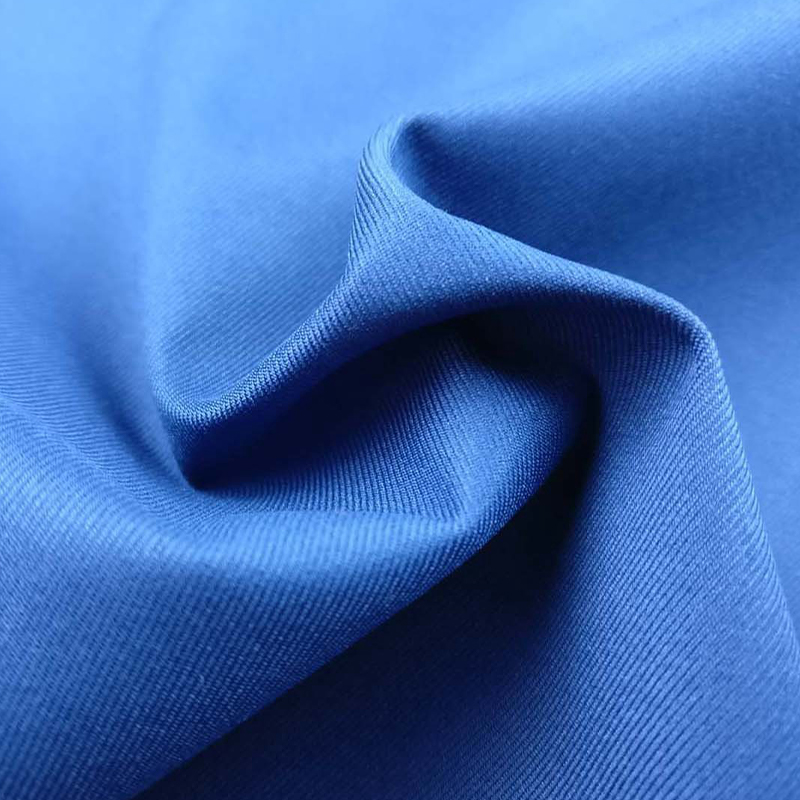
Plain or solid patterns are the simplest and most versatile type of polyester washed cotton fabric. They are characterized by a uniform color and texture, without visible motifs or designs. These patterns are widely used for shirts, trousers, and casual wear due to their classic appearance and compatibility with other garments or accessories.
Key characteristics of plain patterns include:
| Feature | Description |
|---|---|
| Color | Single, uniform shade |
| Texture | Smooth, minimal irregularities |
| Use cases | Shirts, dresses, pants, home textiles |
Plain patterns are also favored for corporate uniforms and workwear due to their professional appearance and low production complexity.
Stripes are one of the most common patterns applied to polyester washed cotton fabric. They are characterized by linear arrangements of colors or textures, which can vary in width, orientation, and spacing.
Types of stripe patterns include:
Advantages of stripe patterns:
| Stripe type | Typical application | Visual effect |
|---|---|---|
| Pinstripe | Suits, shirts | Professional, formal |
| Broad stripe | Casual wear, dresses | Bold, stylish |
| Multi-directional | Fashion garments | Dynamic, eye-catching |
Stripe patterns are often achieved through weaving or printing, with the choice of method affecting fabric texture, durability, and colorfastness.
Checks and plaids are traditional patterns that remain popular in polyester washed cotton fabric for both apparel and home textiles. These patterns consist of intersecting lines forming squares or rectangles, creating a balanced geometric design.
Common variations include:
Characteristics of checks and plaids:
| Pattern type | Scale | Typical use |
|---|---|---|
| Gingham | Small | Shirts, dresses, tablecloths |
| Tartan | Medium to large | Jackets, scarves, home décor |
| Windowpane | Large | Blazers, fashion apparel |
Checks and plaids are commonly woven into the fabric, ensuring durability and consistency, though they can also be printed for cost-effective production.
For more intricate textures, polyester washed cotton fabric can feature dobby or jacquard patterns, which are created using advanced weaving techniques. These patterns are often textured rather than merely visual, adding depth and tactile appeal.
Characteristics include:
Applications of dobby and jacquard patterns:
| Weave type | Pattern complexity | Common application |
|---|---|---|
| Dobby | Small, repetitive | Shirts, blouses, light jackets |
| Jacquard | Large, intricate | Dresses, curtains, decorative fabrics |
These patterns require specialized looms and careful thread selection, which influences fabric weight, durability, and hand feel.
Polyester washed cotton fabric is well-suited for printed designs, allowing virtually limitless creativity. Printing techniques include screen printing, digital printing, and rotary printing, each offering specific advantages in terms of color fidelity, detail, and production scale.
Common printed pattern types:
Advantages of printed patterns:
| Printing method | Strength | Suitable design type |
|---|---|---|
| Screen printing | Durable | Bold, single or few colors |
| Digital printing | High-resolution | Complex, multi-color designs |
| Rotary printing | Fast, scalable | Repetitive patterns |
Printed patterns expand the versatility of polyester washed cotton fabric, providing designers with opportunities for creative expression and market differentiation.
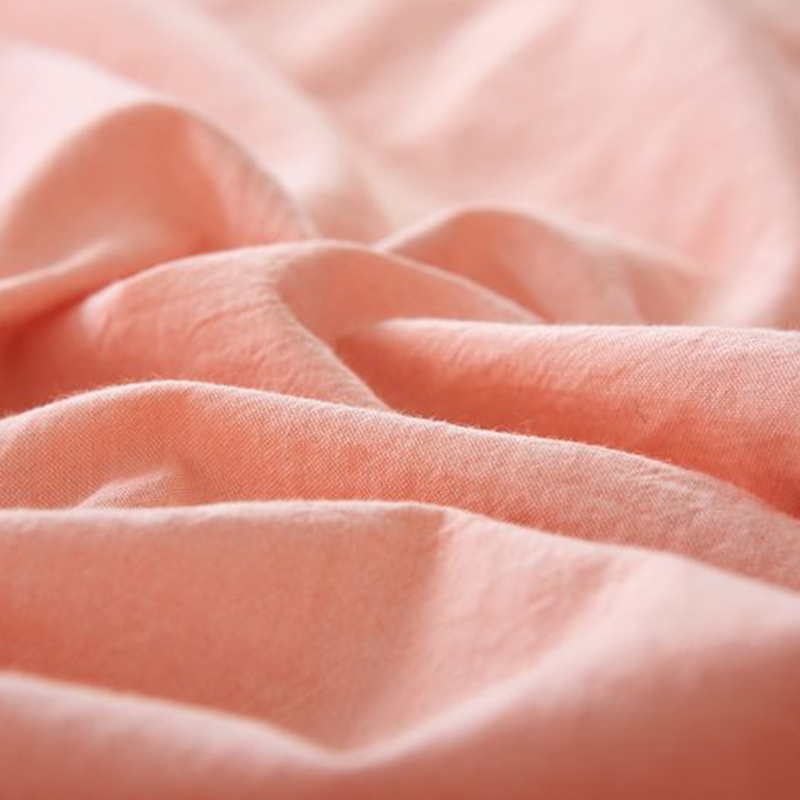
In addition to traditional patterns, polyester washed cotton fabric often features washed or textured effects that create a worn, vintage, or soft-hand feel. These effects are achieved through mechanical or chemical finishing processes and contribute both aesthetic and tactile qualities.
Common effects include:
These treatments allow polyester washed cotton fabric to retain functional performance while enhancing visual and tactile appeal, making it ideal for casual apparel and lifestyle textiles.
Selecting the appropriate pattern for polyester washed cotton fabric requires consideration of several factors:
Understanding these factors ensures that designers and buyers make informed decisions for both functional and commercial success.
| Pattern category | Description | Typical applications |
|---|---|---|
| Plain/Solid | Uniform color and texture | Shirts, uniforms, home textiles |
| Stripes | Linear arrangements of color | Casual wear, formal shirts |
| Checks/Plaids | Intersecting lines forming squares/rectangles | Dresses, tablecloths, blazers |
| Dobby/Jacquard | Textured woven patterns | High-end apparel, curtains |
| Printed | Screen, digital, or rotary prints | Fashion apparel, home décor |
| Washed/Textured effects | Stone wash, sand wash, garment-dyed | Casual and lifestyle textiles |
Polyester washed cotton fabric offers diverse pattern options that cater to a wide range of applications and design preferences. From classic plain fabrics to intricate jacquard weaves, stripes, checks, and printed patterns, each choice carries implications for appearance, tactile feel, durability, and production methods.
Q1: Can polyester washed cotton fabric be used for home furnishings?
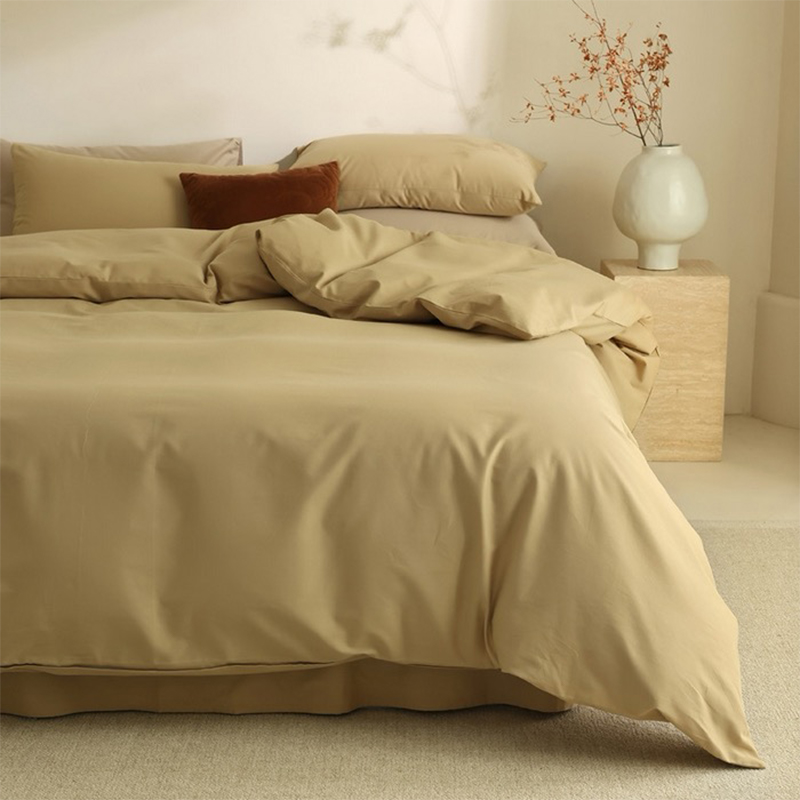
Yes, polyester washed cotton fabric is suitable for curtains, cushion covers, and upholstery due to its durability, ease of care, and pattern variety.
Q2: Are printed patterns on polyester washed cotton fabric durable?
Yes, printed patterns are generally durable, particularly when using high-quality screen or digital printing methods. Proper washing and care further extend their longevity.
Q3: How does the weave affect pattern appearance?
The weave determines texture, pattern clarity, and durability. For example, jacquard weaves create intricate, textured designs, while plain weaves provide a smooth surface for printed patterns.
Q4: Is polyester washed cotton fabric suitable for children’s clothing?
Yes, it is soft, breathable, and easy to maintain, making it ideal for children’s garments with both plain and patterned designs.
Q5: What factors should be considered when selecting a pattern?
End-use application, fabric weight, maintenance requirements, cost, and current fashion trends are all critical factors when selecting the most appropriate pattern.



+86-137 0672 2970+86-137 5728 0930

Copyright © Changxing Dinghao Textile Co., Ltd.
All Rights Reserved.
Wholesale Microfiber Upholstery Fabric Factory
