


 English
 Español
Polyester Pongee Fabric: A Comprehensive Analysis of a Multifunctional Fabric
Introduction: The Core Charm of Polyester Pongee Fabric
This article provides a brief introduction to what polyeste...
In the intricate world of textiles, few fabrics strike a balance between natural feel and engineered performance as effectively as polyester washed cotton fabric. This hybrid material has become a cornerstone for manufacturers across apparel, home goods, and workwear sectors, prized for its unique combination of comfort, durability, and aesthetic appeal. For wholesalers, buyers, and product developers, understanding the nuances of this blend is not merely academic—it is crucial for making informed sourcing decisions that align with product goals, cost parameters, and consumer expectations. The central element defining this fabric’s character is the ratio of polyester to cotton, a variable that directly and predictably influences its behavior.
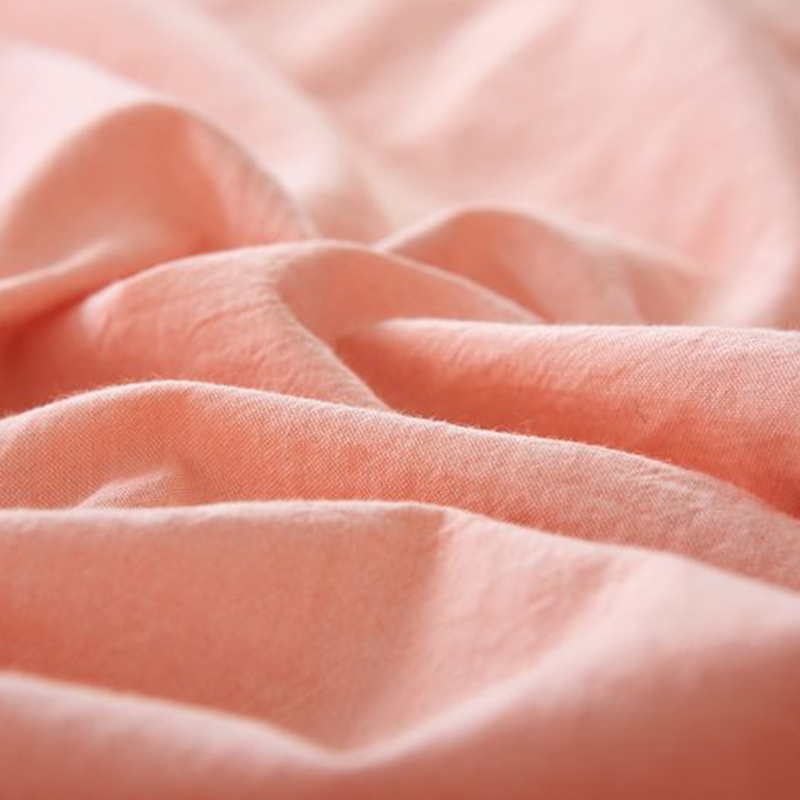
The term polyester washed cotton fabric refers to a woven blend of polyester and cotton yarns that has undergone a controlled industrial washing process. This finishing technique is designed to impart a soft handfeel, a slightly broken-in appearance, and dimensional stability to the material from the outset. The core of the fabric’s identity lies in its blended composition. Cotton, a natural cellulose fiber, is renowned for its breathability, moisture absorption, and softness. Conversely, polyester, a synthetic polymer, is celebrated for its strength, resilience, wrinkle resistance, and quick-drying properties. The process of creating washed cotton blend fabric involves merging these two fibers into a single yarn or through a fabric union before subjecting it to enzymatic washes, stone washes, or chemical treatments that soften the fibers and induce a desirable crinkling or slight puckering effect. The resulting material is a testament to successful textile engineering, offering a best-of-both-worlds scenario that is highly sought after in the market.
To appreciate the synergy in the blend, one must first understand the distinct roles each fiber plays. The performance of any poly cotton washed fabric is a direct function of the inherent qualities of its components.
Cotton’s Contribution: Cotton provides the foundational comfort that consumers naturally gravitate towards. Its key attributes include:
However, pure cotton has notable drawbacks. It is prone to significant shrinkage, can wrinkle easily, and may wear down or tear more quickly than synthetic counterparts under heavy use.
Polyester’s Contribution: Polyester acts as the performance enhancer, mitigating cotton’s weaknesses and adding robust functionality.
The potential downside of polyester, if not carefully balanced, is a reduction in breathability and a plastic-like handfeel that some consumers find less desirable than pure natural fibers.
The magic of polyester washed cotton fabric lies in the meticulous calibration of these two components. The washing process then unifies them, pre-softening the cotton and allowing the polyester to provide a stable backbone, resulting in a cohesive fabric with a consistent performance profile.
The ratio of polyester to cotton is the primary lever controlling the fabric’s final properties. Small percentage changes can yield significant differences, making the choice of blend a critical strategic decision.
High Cotton Blends (e.g., 80% Cotton / 20% Polyester)
This ratio prioritizes the natural feel and comfort of cotton while incorporating just enough polyester to address its main flaws. Fabrics with this composition are often marketed as premium washed cotton for apparel. The handfeel is dominantly soft, breathable, and akin to a high-quality pure cotton garment. The 20% polyester infusion provides a crucial functional upgrade: it substantially reduces shrinkage from the approximately 7-10% expected in pure cotton to a more manageable 2-4%. It also improves wrinkle resistance and enhances the fabric’s durability, particularly at stress points like seams and cuffs. This blend is ideal for casual shirts, high-end uniforms, and lifestyle apparel where a natural aesthetic and superior comfort are the primary selling points. The color fading in these blends often mirrors that of pure cotton, developing a soft, vintage patina over time that is highly desirable in certain markets.
The Balanced Blend (e.g., 65% Cotton / 35% Polyester or 60/40)
This is perhaps the most versatile and widely used ratio, representing the quintessential workhorse polyester cotton fabric. It achieves a near-perfect equilibrium between comfort and performance. The fabric retains a noticeably soft and breathable character thanks to the cotton majority, but the higher polyester content delivers exceptional durability, minimal shrinkage (often under 2%), and excellent shape retention. This makes it an outstanding choice for heavy-duty workwear, chef’s uniforms, medical scrubs, and daily-use corporate uniforms that must withstand frequent industrial laundering and physical wear. The enhanced abrasion resistance is a key benefit here. For buyers, this blend offers outstanding value for money, providing long-term reliability without sacrificing basic comfort, making it a safe and popular choice for a vast array of B2B applications.
High Polyester Blends (e.g., 50% Cotton / 50% Polyester or 35/65)
When performance, durability, and cost-efficiency are the paramount concerns, a high-polyester blend becomes the default choice. In this composition, the properties of polyester dominate. The fabric exhibits maximum strength, exceptional resistance to tears and abrasion, and极高的尺寸稳定性(high dimensional stability)with negligible shrinkage. It dries rapidly and requires little to no ironing. However, the handfeel will be less soft and the breathability is reduced compared to higher-cotton blends. The aesthetic is also more functional than luxurious. These blends are the foundation for industrial workwear, safety apparel, and outerwear linings where extreme durability and longevity are non-negotiable. The lower cost of polyester also makes this a very economical option for large-scale procurement. The washing process is crucial for these blends to mitigate the synthetic handfeel, imparting a cotton-like softness to the surface.
Table: Performance Characteristics by Blend Ratio
| Performance Attribute | 80/20 (Cotton/Poly) | 65/35 (Cotton/Poly) | 50/50 (Cotton/Poly) |
|---|---|---|---|
| Primary Handfeel | Very Soft, Natural | Soft, Balanced | Firm, Smooth (more synthetic) |
| Breathability | High | Moderate-High | Moderate |
| Durability & Abrasion Resistance | Good | Very Good | Excellent |
| Shrinkage Control | Good (2-4%) | Very Good (1-2%) | Excellent (<1%) |
| Wrinkle Resistance | Good | Very Good | Excellent |
| Moisture Wicking | Low (Absorbs) | Moderate | High (Wicks) |
| Ideal Application | Premium Apparel, Lifestyle | Workwear, Uniforms, Scrubs | Industrial Workwear, Linings |
The blend ratio sets the potential, but the washing process unlocks the final character of the fabric. This finishing stage is what transforms a standard poly cotton fabric into the coveted polyester washed cotton fabric. The process involves treating the constructed fabric with various agents—like enzymes, pumice stones, or softeners—in large industrial machines that simulate and accelerate the natural aging and softening process.
For high-cotton blends, washing is essential to achieve the desired softness and relaxed vintage look immediately, preventing the stiff feel of new canvas. For balanced and high-polyester blends, the washing process serves the additional critical function of masking the synthetic handfeel of the polyester. The enzymes break down the surface fibers of the cotton microscopically, creating a blanket of ultra-softness that envelops the stronger polyester core. This results in a fabric that feels like cotton but performs like a synthetic-natural hybrid. Furthermore, the process pre-shrinks the fabric, ensuring that the dimensional stability promised by the polyester is fully realized for the end-user. This directly translates to fewer customer returns and higher satisfaction regarding fit and longevity.



+86-137 0672 2970+86-137 5728 0930

Copyright © Changxing Dinghao Textile Co., Ltd.
All Rights Reserved.
Wholesale Microfiber Upholstery Fabric Factory
