


 English
 Español
Polyester Pongee Fabric: A Comprehensive Analysis of a Multifunctional Fabric
Introduction: The Core Charm of Polyester Pongee Fabric
This article provides a brief introduction to what polyeste...
For wholesalers, manufacturers, and product developers, selecting the right material is a critical decision that impacts product quality, customer satisfaction, and brand reputation. Among the vast array of textiles available, solid color dyed polyester fabric stands as a dominant force due to its renowned durability and versatility. However, not all polyester is created equal. The term “durability” encompasses a range of properties that determine how a fabric will perform over time and under stress. For professionals sourcing material for applications like uniforms, workwear, hospitality upholstery, home furnishings, and outdoor gear, a superficial assessment of color and hand feel is insufficient. A deep, systematic evaluation is essential to ensure the material meets the rigorous demands of the end-use environment.
The durability of any textile is not a single attribute but a symphony of interconnected properties working in concert. For solid color dyed polyester fabric, these properties can be categorized into mechanical, chemical, and color-related performance. Mechanical durability refers to the fabric’s resistance to physical forces like abrasion, tearing, and pilling. Chemical durability involves its resistance to degradation from environmental factors like light, moisture, and pollutants. Finally, color durability is the ability of the dye itself to remain fast and vibrant despite exposure to washing, rubbing, and light. A holistic assessment requires validated testing methods and a clear understanding of the standards that define performance benchmarks. Ignoring any one of these facets can lead to product failure, even if the others are exceptional.
Before delving into specific tests, it is crucial to understand the inherent properties of the polyester fiber and how the dyeing method fundamentally influences durability. Polyester, a synthetic polymer, is inherently strong, resistant to stretching and shrinking, quick-drying, and resilient. These innate characteristics provide a excellent foundation for durable textiles. However, the method used to impart color—a solid color dyed polyester fabric—plays a pivotal role in its long-term performance.
There are two primary methods for creating solid color dyed polyester fabric: solution dyeing and piece dyeing. In solution dyeing (also known as dope dyeing or mass coloration), colored pigments are added to the liquid polymer solution before it is extruded into a filament. This process permanently locks the color within the fiber itself. The result is a fabric with extraordinary colorfastness. Since the color is an integral part of the fiber, it is highly resistant to fading from ultraviolet (UV) light, chlorine, and harsh chemicals. It also demonstrates superior performance in crocking tests. This method is often preferred for outdoor applications, automotive interiors, and awnings where maximum resistance to environmental factors is required.
In contrast, piece dyeing involves dyeing the constructed, greige (undyed) fabric in large batches. The white polyester fabric is immersed in a dye bath where the dye molecules penetrate the fibers under heat and pressure. While modern piece dyeing techniques are highly advanced and can produce excellent results, the color is applied to the surface of the fiber. Consequently, piece-dyed fabrics generally have a higher potential for fading over time when exposed to UV light and may be more susceptible to crocking or bleeding if not properly processed. The advantage of piece dyeing is its flexibility, allowing for smaller batch sizes and a wider, more responsive range of color options without the need for large minimums.
When assessing durability, the first question to ask a supplier is: “Is this solid color dyed polyester fabric solution-dyed or piece-dyed?” The answer will immediately set expectations for colorfastness performance and guide the subsequent testing focus.
Mechanical durability is often the most tangible aspect of performance, as it relates to how the fabric withstands daily wear and tear. For workwear or upholstery, this is often the primary concern. Three key tests provide insight into this category: abrasion resistance, tear strength, and pilling resistance.
Abrasion Resistance is arguably the most critical test for fabrics destined for high-use applications. It measures a fabric’s ability to withstand surface wear from rubbing and friction. The standard test method for this is the Martindale test (ASTM D4966), where a fabric sample is rubbed in a figure-eight motion against a standard abradant under a controlled pressure. The result is reported as the number of cycles the fabric can endure before a predetermined endpoint is reached, such as thread breakage or the formation of a hole. A high Martindale rub count indicates a fabric designed for long life. For heavy-duty contract upholstery, values can exceed 100,000 cycles, while for decorative pillows, a lower count may be acceptable. Assessing this data is non-negotiable for any serious wholesaler or buyer.
Tear Strength measures the force required to propagate a tear in a fabric once a rip has been started. This is distinct from tensile strength, which measures the force to pull the fabric apart from a pristine state. Tear strength (tested via ASTM D1424 Elmendorf method) is particularly important for fabrics used in tents, tarps, and industrial settings where snagging is a risk. A high tear strength indicates that a small puncture or tear is less likely to turn into a large failure, thereby extending the functional life of the product.
Pilling Resistance refers to the formation of small, tangled balls of fiber on the fabric’s surface. These pills are created by friction, which causes loose fibers to work their way out of the yarns and tangle together. While not a catastrophic failure like tearing, pilling severely impacts the aesthetic appearance and perceived quality of a garment or furniture piece. Testing (ASTM D4970) involves tumbling fabric samples in a chamber for a set time and then comparing the results to a standardized visual rating scale. A high pilling resistance rating ensures the solid color dyed polyester fabric will maintain a smooth, new-looking appearance through many cycles of use and washing.
Table 1: Key Mechanical Durability Tests and Benchmarks
| Test Parameter | Standard Test Method | Typical Benchmark for Heavy-Duty Use | Importance For |
|---|---|---|---|
| Abrasion Resistance | ASTM D4966 (Martindale) | 40,000 - 100,000+ cycles | Upholstery, workwear, bags |
| Tear Strength | ASTM D1424 (Elmendorf) | 1000+ gf (grams-force) | Outdoor gear, technical textiles |
| Pilling Resistance | ASTM D4970 | 4-5 (on a 1-5 scale, 5 being best) | Apparel, home furnishings |
The “solid color” in solid color dyed polyester fabric is its defining feature, and its permanence is a cornerstone of durability. Colorfastness is not a single test but a battery of evaluations that measure the dye’s resistance to various degrading factors. Key tests include colorfastness to washing, crocking, light, and perspiration.
Colorfastness to Washing (AATCC 61 or ISO 105-C06) evaluates the degree of color bleeding (transfer to other fabrics) and fading during the laundering process. Test specimens are laundered under controlled conditions of temperature, time, and detergent, often with multifiber test fabric adjacent to detect bleeding. The resulting change in color and the degree of staining are rated on a grey scale from 1 (severe change/staining) to 5 (negligible change/staining). A rating of 4 or higher is generally considered excellent for most applications and is a must for garments or home textiles that will be frequently washed.
Colorfastness to Crocking (AATCC 8) measures the tendency of dye to transfer from the surface of a fabric to another surface by rubbing. This is a critical test for fabrics that will come into contact with light-colored upholstery, car seats, or other garments. The test involves rubbing the fabric with a white crock test cloth under controlled pressure for a set number of cycles. The staining on the white cloth is then rated. A high crocking fastness rating (4-5 on a 1-5 scale) is essential to prevent dye transfer and is a strong indicator of a well-executed dyeing and finishing process.
Colorfastness to Light (AATCC 16 or ISO 105-B02) determines how resistant a dye is to fading when exposed to sunlight or an artificial light source simulating sunlight. Specimens are exposed for a measured duration and the color change is compared to a control sample that was not exposed. The results are rated on the Blue Wool Scale (1-8, with 8 being the highest resistance) or the Grey Scale for color change. This is a paramount test for any product intended for outdoor use, such as awnings, outdoor furniture, and flags. Solution dyed polyester inherently excels in this test, often achieving the highest possible ratings.
Beyond physical and color stress, fabrics are often exposed to chemicals and environmental elements that can cause degradation. For solid color dyed polyester fabric, two key areas of assessment are resistance to water and stains and resistance to UV degradation.
Polyester is naturally hydrophobic, meaning it repels water. However, its performance can be significantly enhanced with durable water repellent (DWR) finishes. These finishes cause water to bead up and roll off the fabric’s surface rather than soak in. The effectiveness of this finish is measured by a spray test (AATCC 22), where a rating of 90-100 indicates excellent water repellency, crucial for outerwear and outdoor textiles. Furthermore, stain release properties (AATCC 130) measure how well a fabric allows common stains like oil to be removed in home laundering. A fabric that combines stain resistance with easy stain release offers a significant advantage in maintaining appearance with minimal maintenance.
As mentioned, UV resistance is closely tied to the dyeing method. However, the polyester polymer itself can be degraded by prolonged, direct sunlight, leading to a loss of tensile strength and eventual embrittlement. For extreme environments, assessing the fabric’s UV stability through extended lightfastness testing and inquiring about UV-stabilized additives in the polymer is a prudent step for ensuring long-term structural integrity, not just color retention.
While the fiber and dye are fundamental, the construction of the fabric—the way the yarns are woven or knitted together—is a powerful determinant of durability. The weight of the fabric, measured in grams per square meter (GSM) or ounces per square yard (oz/yd²), provides a general indicator of substance. Heavier weights typically, though not exclusively, correlate with greater durability.
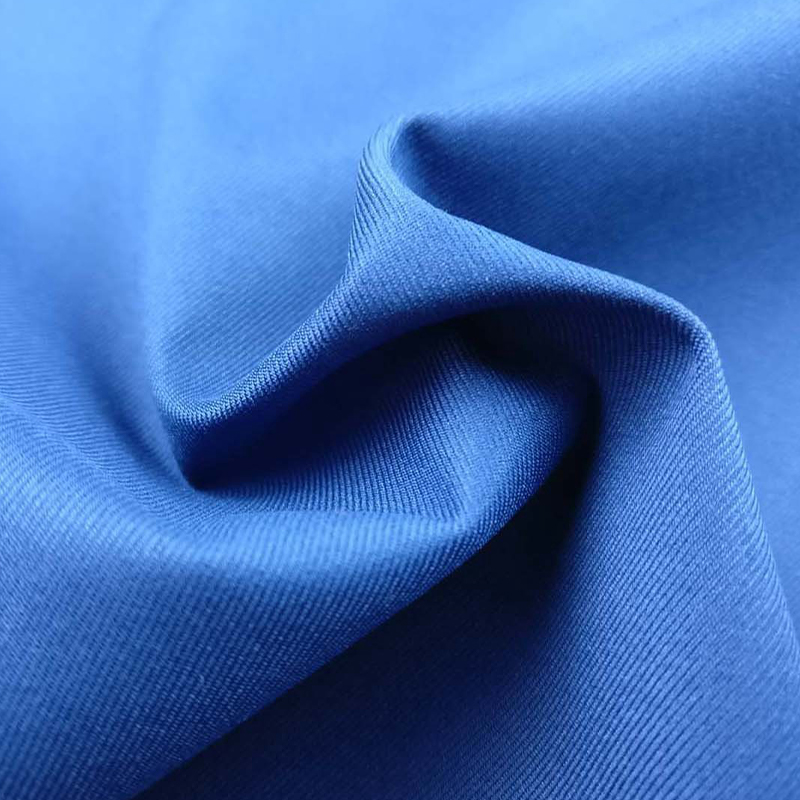
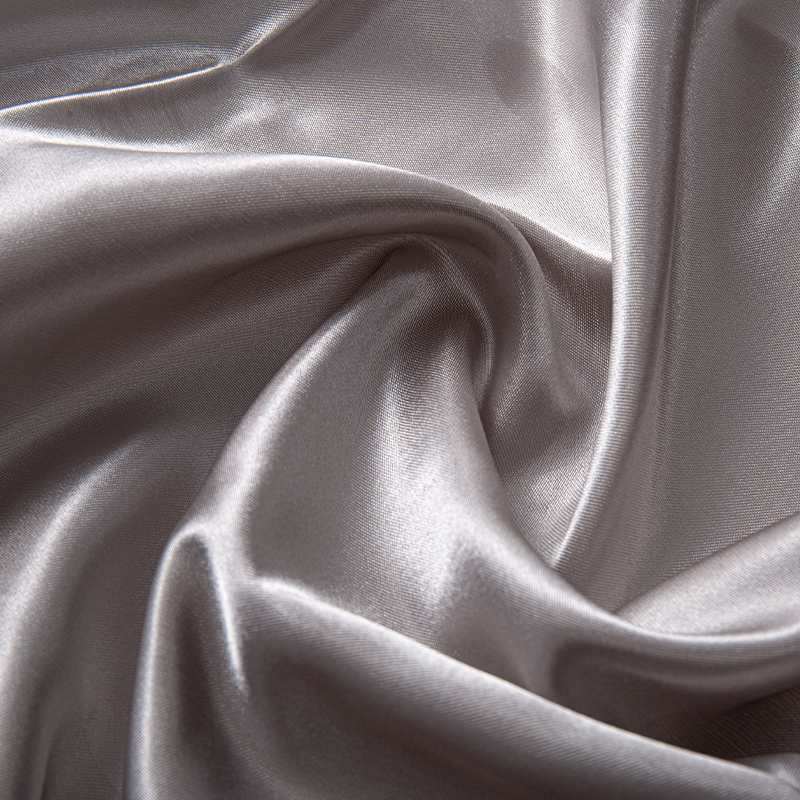
The thread count in woven fabrics or the stitch density in knits also contributes to performance. A tighter weave or knit will generally offer better resistance to abrasion and tearing. The type of weave is equally important. For instance, a plain weave is simple and strong, while a twill weave (like denim) offers high durability and a distinctive diagonal pattern. A satin weave, while smooth and lustrous, may be more prone to snagging. For solid color dyed polyester fabric intended for heavy-duty use, a robust construction like a canvas or a high-density twill is often selected to complement the inherent strength of the fiber.



+86-137 0672 2970+86-137 5728 0930

Copyright © Changxing Dinghao Textile Co., Ltd.
All Rights Reserved.
Wholesale Microfiber Upholstery Fabric Factory
