


 English
 Español
Polyester Pongee Fabric: A Comprehensive Analysis of a Multifunctional Fabric
Introduction: The Core Charm of Polyester Pongee Fabric
This article provides a brief introduction to what polyeste...
In the competitive landscape of textiles, where aesthetics often vie with performance for dominance, a fabric that successfully marries the two holds significant value for wholesalers, manufacturers, and buyers. Among these functional yet appealing materials, polyester peach skin fabric has carved out a substantial niche. While its luxurious, soft-to-the-touch feel is its most immediately recognizable feature, the true, enduring value of this fabric lies in its profound practical benefits.
The name “peach skin” is derived from the fabric’s distinctive surface, which is brushed to create a short, dense nap reminiscent of the skin of a peach. This finishing process is not merely for aesthetic imitation; it is a technical achievement that fundamentally enhances the material’s performance. While the base fiber—polyester filament yarn—provides the inherent strength and durability, the peach skin finish unlocks a suite of properties that address common challenges in textile production and consumption. For buyers sourcing materials, understanding these practical benefits is crucial for making informed decisions that impact product quality, customer satisfaction, and operational efficiency.
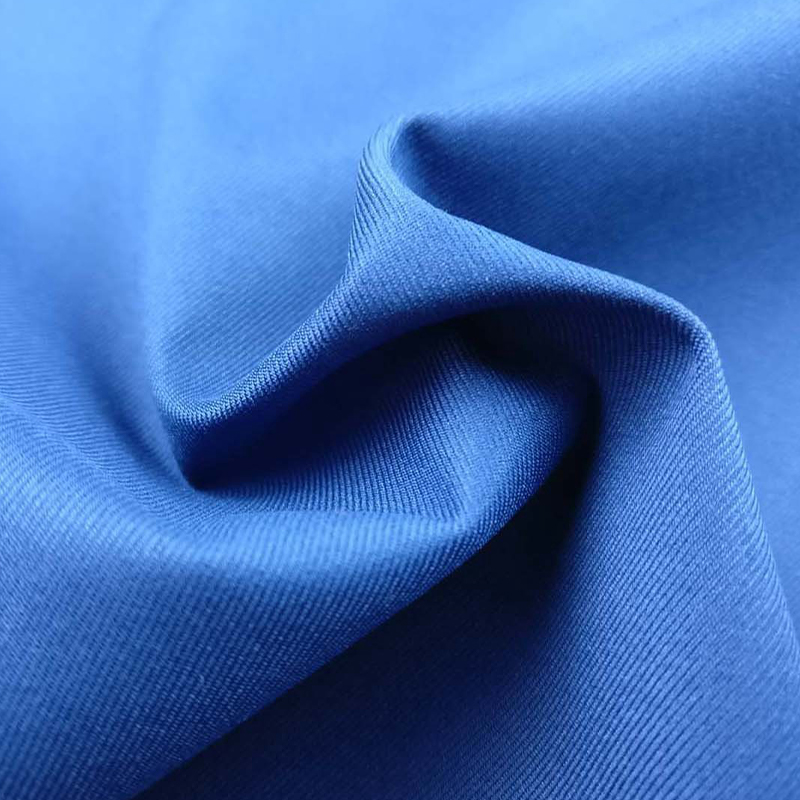
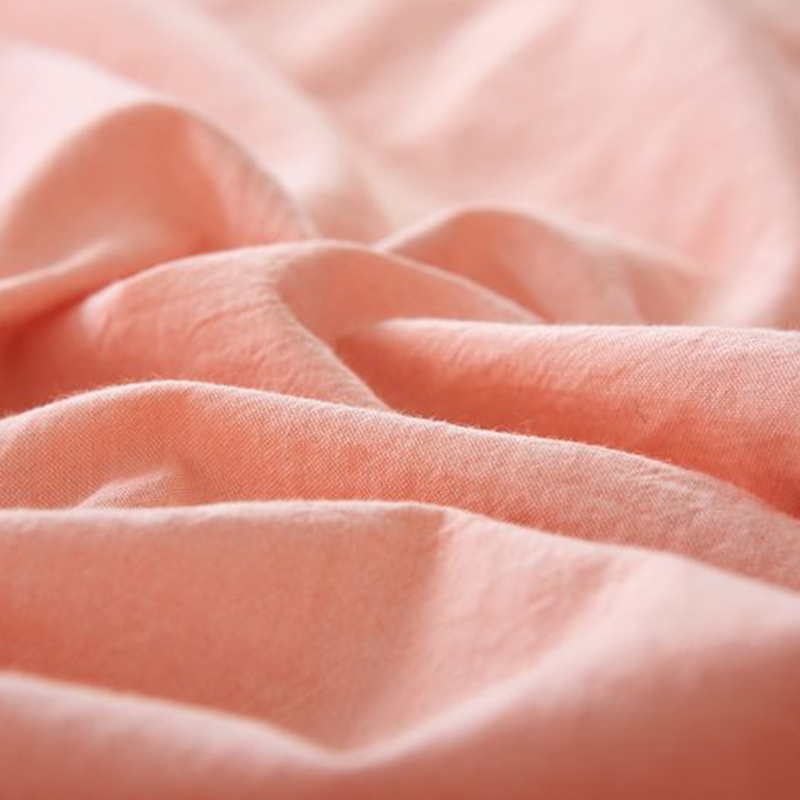
To fully appreciate its practical benefits, one must first understand the construction of polyester peach skin fabric. The foundation is a high-density weave using fine microfiber polyester filaments. These ultra-fine threads are tightly woven together, creating a base cloth that is inherently strong and resistant to tearing. The pivotal stage comes after weaving: the finishing process. The face side of the fabric undergoes a sophisticated brushing or sanding technique. Abrasive rollers gently raise the fibers from the yarns without breaking them, creating the characteristic soft, suede-like nap.
This raised surface is key to the fabric’s behavior. It diffuses light, giving the material its signature low-luster, matte appearance, which is highly sought after for its premium look. More importantly, this altered surface structure directly contributes to its wrinkle-resistant qualities and provides a superior substrate for dye absorption and retention, leading to exceptional colorfastness. The combination of synthetic polyester—chosen for its resilience—and this specific finishing technique results in a textile that outperforms many natural alternatives in terms of practicality and ease of care.
For manufacturers and end-consumers alike, the battle against wrinkles is a constant concern. Wrinkles can make garments look unkempt and diminish the perceived quality of home decor items. Polyester peach skin fabric offers a robust solution to this problem, a feature that is a powerful selling point for buyers marketing to convenience-driven consumers.
The wrinkle resistance of this fabric is multifaceted. Firstly, the polyester fiber itself has excellent elastic recovery. This means that when the fabric is bent, crushed, or folded, the polymer chains within the fibers can return to their original position much more effectively than natural fibers like cotton or viscose. While the base polyester provides this fundamental property, the peach skin finish amplifies it. The raised nap helps to distribute stress across a broader area of the fabric. Instead of a sharp crease forming along a single yarn, any pressure is absorbed and dissipated by the textured surface. This makes it highly resistant to creasing during wear, such as at the elbows or knees of garments, or in upholstery where people may sit for long periods.
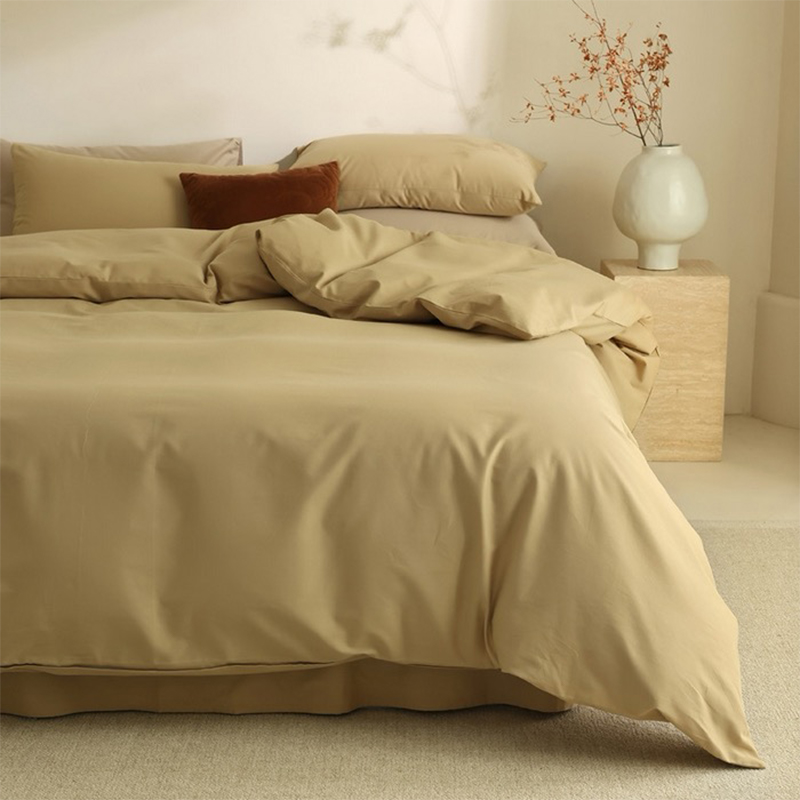
This characteristic translates directly to tangible benefits across the supply chain. For apparel manufacturers, it means garments maintain their pristine appearance on the retail floor and require less steaming or pressing before sale. For the end-user, it signifies easy care; items made from polyester peach skin fabric can often be washed, dried, and worn with minimal to no ironing. This is a critical advantage in categories like travel apparel, uniforms, and leisurewear, where low maintenance is a primary consumer demand. Furthermore, for home textile applications such as curtains, drapes, and upholstery, the fabric’s ability to resist creasing helps maintain a neat, tailored appearance over time, enhancing the longevity of the product’s aesthetic appeal.
If wrinkle resistance addresses form, then colorfastness is the guardian of beauty. Colorfastness refers to a dye’s resistance to fading or running when exposed to factors like light, washing, perspiration, or abrasion. Poor colorfastness leads to faded, dull products and can cause dye transfer during washing, ruining other garments. This is an area where polyester peach skin fabric truly excels, offering exceptional performance that protects the investment of both the brand and the consumer.
The exceptional colorfastness begins with the dyeing process. Polyester fibers are typically dyed using disperse dyes at high temperatures. These dye molecules are designed to penetrate deep into the hydrophobic polyester polymer chains, forming a strong physical bond within the fiber itself. The dye becomes locked in, rather than merely sitting on the surface. The peach skin finish then further enhances this property. The brushing process creates a greater surface area and more microscopic pathways for the dye to penetrate during the dyeing cycle. The result is a deeper, more thorough, and uniform dyeing that is less prone to fading.
The benefits of this superior color retention are extensive. For sportswear and activewear manufacturers, it means vibrant colors that can withstand repeated washing after intense activity and exposure to sweat. For producers of home decor, such as throw pillows and bedspreads, it ensures that fabrics resist fading from prolonged exposure to sunlight, keeping interiors looking fresh and new. The high level of colorfastness also reduces the risk of dye bleed during home laundering, which is a frequent cause of customer complaints and returns. This reliability builds brand trust and reinforces the perception of quality, allowing buyers to confidently market these products as durable and long-lasting.
While wrinkle-resistant and colorfast properties are cornerstone advantages, the practical benefits of polyester peach skin fabric extend into other critical areas that are important for product developers and buyers to consider.
Durability and Abrasion Resistance: The tight weave of the base fabric, combined with the strength of polyester microfiber, results in a material that is highly resistant to pilling, snagging, and general wear and tear. The brushed surface is designed to be durable, maintaining its hand feel over many washes. This makes it an excellent choice for high-use items like uniforms, workwear, and children’s clothing.
Moisture-Wicking and Quick-Drying: Despite its soft, cotton-like hand, the fabric retains the inherent moisture-management properties of polyester. It does not absorb water easily but instead wicks it away from the skin to the surface of the fabric, where it can evaporate quickly. This quick-drying capability enhances comfort in apparel and reduces the downtime for items between washes in home settings.
Ease of Care and Maintenance: The convergence of its key properties makes polyester peach skin fabric remarkably easy to care for. Its resistance to wrinkles, stains, and fading, coupled with its quick-drying nature, often translates to simple machine washing and tumble drying on low settings. This easy care profile is a major marketing advantage, appealing to modern consumers seeking convenience without compromising on quality or feel.
The following table summarizes the key practical benefits and their direct implications for manufacturers and end-users:
| Practical Benefit | Technical Reason | Implication for Manufacturers & Buyers |
|---|---|---|
| High Wrinkle Resistance | Elastic recovery of polyester fibers and stress distribution by the brushed nap. | Reduced need for garment steaming; products maintain a neat appearance in retail and during use; ideal for travel and uniforms. |
| Exceptional Colorfastness | Deep penetration of disperse dyes into polyester fibers, enhanced by the textured surface. | Vibrant, long-lasting colors; resistance to fading from sunlight and washing; reduced risk of dye bleed and customer returns. |
| Durability & Abrasion Res. | Tight weave of high-density microfiber polyester yarns. | Resists pilling and snagging; suitable for high-use applications like workwear and children’s apparel. |
| Moisture Wicking | Hydrophobic nature of polyester fibers. | Enhanced comfort in activewear and sportswear; keeps the wearer feeling dry. |
| Quick Drying | Low water absorption of polyester. | Reduced drying time and energy consumption for consumers; faster turnaround in commercial settings. |



+86-137 0672 2970+86-137 5728 0930

Copyright © Changxing Dinghao Textile Co., Ltd.
All Rights Reserved.
Wholesale Microfiber Upholstery Fabric Factory
