


 English
 Español
Polyester Pongee Fabric: A Comprehensive Analysis of a Multifunctional Fabric
Introduction: The Core Charm of Polyester Pongee Fabric
This article provides a brief introduction to what polyeste...
Polyester mini matt fabric is a widely utilized textile in industries ranging from apparel production to interior design applications. Its distinctive matte surface and smooth hand feel make it suitable for a variety of functional and aesthetic purposes.
Weaving techniques play a central role in defining the fabric’s texture, strength, elasticity, and resistance to wear. From plain weaves to more complex structures such as twill and satin, each technique introduces specific variations that affect fabric thickness, weight distribution, drape, and surface uniformity. For polyester mini matt fabric, the choice of weaving method is particularly significant because its matte finish relies on the interplay between fiber surface treatment and yarn interlacement.
Polyester mini matt fabric is primarily composed of synthetic PET fibers that are processed to achieve a soft matte finish. Unlike glossy polyester fabrics, the mini matt variant exhibits reduced light reflection, which enhances visual subtlety and provides a more natural appearance. The base properties of polyester fibers—such as tensile strength, moisture resistance, and dimensional stability—are influenced by the weave pattern, yarn density, and finishing methods.
The interaction between yarn and weaving pattern determines the overall surface uniformity, resistance to abrasion, and mechanical properties. Polyester mini matt fabric is usually manufactured using tightly twisted filaments to reduce slippage between threads. The weave structure affects:
The following table summarizes how basic weave types interact with polyester mini matt fabric characteristics:
| Weave Type | Surface Texture | Strength | Drape | Abrasion Resistance | Typical Applications |
|---|---|---|---|---|---|
| Plain | Even, fine matte | Moderate | Moderate | High | Apparel, lining fabrics |
| Twill | Diagonal texture | High | Good | Very High | Workwear, upholstery |
| Satin | Smooth, subtle sheen | Moderate | Excellent | Moderate | Evening wear, decorative textiles |
| Basket | Coarse, textured | Moderate | Fair | Moderate | Bags, home furnishings |
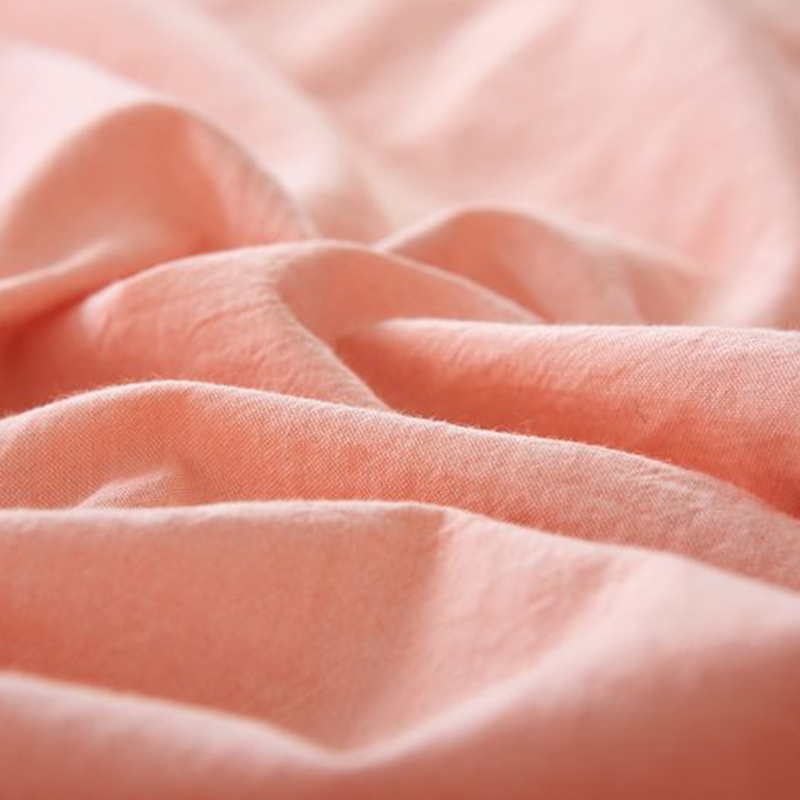
The plain weave is the most fundamental weaving technique, where each weft thread passes alternately over and under warp threads. For polyester mini matt fabric, this weave offers even surface distribution, contributing to a consistent matte finish. Plain weave fabrics are generally stable, providing uniform tensile strength and minimal distortion during washing or stretching.
Advantages of plain weave for polyester mini matt fabric include:
Limitations:
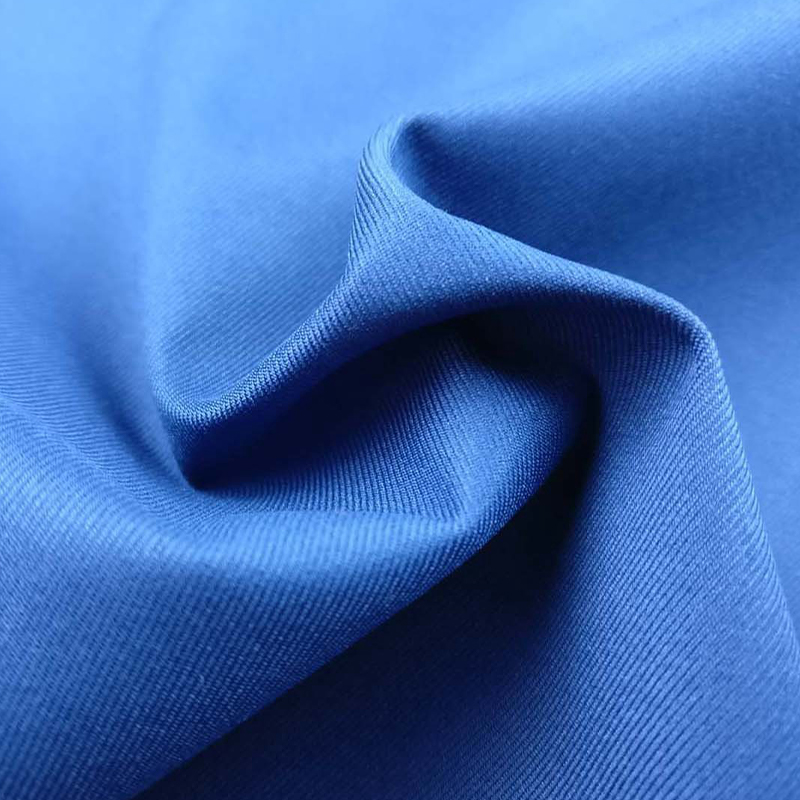
Twill weave is characterized by its diagonal rib pattern, achieved by offsetting the interlacement of warp and weft threads. For polyester mini matt fabric, twill weaving enhances tensile strength and provides superior durability compared to plain weave.
Key performance effects include:
The table below illustrates comparative performance metrics between plain and twill weaves:
| Feature | Plain Weave | Twill Weave |
|---|---|---|
| Tensile strength | Moderate | High |
| Surface uniformity | High | Moderate |
| Drape | Moderate | Good |
| Abrasion resistance | High | Very High |
| Typical applications | Lining, casual apparel | Workwear, upholstery |
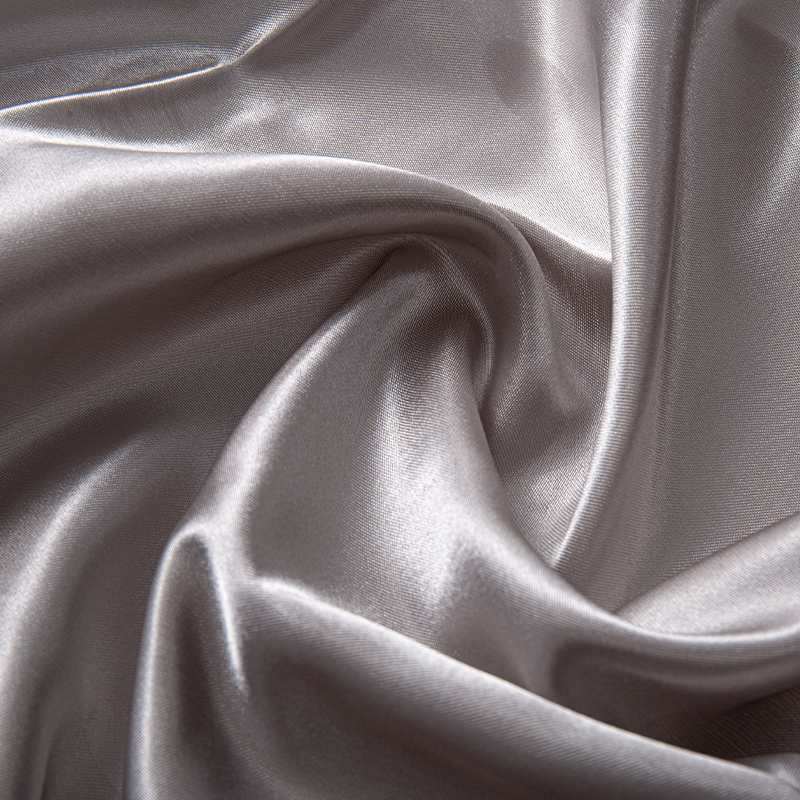
Satin weave is known for its long float threads that create a smooth surface. While commonly associated with shiny fabrics, satin weave can be adapted for polyester mini matt fabric to maintain its subdued aesthetic. The weaving pattern allows for excellent drape and fluidity, making it ideal for garments requiring elegance and softness.
Advantages for polyester mini matt fabric:
Challenges:
Beyond basic weaves, specialized techniques such as basket weave, herringbone, and jacquard structures are increasingly applied to polyester mini matt fabric for both aesthetic and functional purposes. These methods enhance texture, pattern complexity, and visual depth while maintaining a matte appearance.
For example:
The following table summarizes key performance metrics for these specialized weaves:
| Weave Type | Texture | Strength | Flexibility | Surface Appeal | Application |
|---|---|---|---|---|---|
| Basket | Coarse, textured | Moderate | Fair | Matte aesthetic with visual depth | Bags, home textiles |
| Herringbone | Diagonal pattern | High | Good | Stylish matte surface | Fashion garments, outerwear |
| Jacquard | Patterned | High | Good | Decorative matte surface | Luxury apparel, drapery |
When designing or selecting polyester mini matt fabric for specific uses, weaving technique should be considered alongside fiber density, yarn thickness, and finishing treatments. Several factors influence final performance:
Overall, the weaving technique directly affects:
The following table provides a concise comparison across the primary weave types for polyester mini matt fabric:
| Weave | Surface Effect | Durability | Drape | Common Uses |
|---|---|---|---|---|
| Plain | Even matte | High | Moderate | Casual apparel, linings |
| Twill | Diagonal matte | Very High | Good | Workwear, upholstery |
| Satin | Smooth matte | Moderate | Excellent | Formal garments, dresses |
| Basket | Textured matte | Moderate | Fair | Bags, cushions |
| Herringbone | Patterned matte | High | Good | Outerwear, fashion fabrics |
| Jacquard | Decorative matte | High | Good | Luxury garments, drapery |
The weaving technique plays a critical role in determining the performance, aesthetic, and application range of polyester mini matt fabric. By selecting appropriate weaving patterns—plain, twill, satin, basket, herringbone, or jacquard—manufacturers can tailor fabric properties to meet diverse requirements. Surface texture, tensile strength, drape, and abrasion resistance are all influenced by weave, directly impacting suitability for specific end uses.
Q1: Can polyester mini matt fabric be blended with other fibers for weaving?
Yes, polyester mini matt fabric can be blended with natural fibers such as cotton or wool. Blending affects texture, drape, and breathability while retaining the matte finish.
Q2: Which weave type is best for high-traffic upholstery using polyester mini matt fabric?
Twill weave is typically recommended due to its high tensile strength and abrasion resistance, making it ideal for heavy-duty applications.
Q3: How does weave choice affect dyeing and printing?
Dense weaves like plain and twill provide uniform color absorption, while satin and jacquard weaves may require careful handling to maintain consistent matte effects.
Q4: Can polyester mini matt fabric maintain its matte appearance after washing?
Yes, but care must be taken to follow manufacturer guidelines. Plain and twill weaves generally retain their matte appearance better than fabrics with long float threads, such as satin.
Q5: Are specialized weaving techniques suitable for fashion applications?
Absolutely. Herringbone and jacquard weaves are commonly used in fashion garments for decorative effects while maintaining the soft matte aesthetic.



+86-137 0672 2970+86-137 5728 0930

Copyright © Changxing Dinghao Textile Co., Ltd.
All Rights Reserved.
Wholesale Microfiber Upholstery Fabric Factory
