


 English
 Español
Polyester Pongee Fabric: A Comprehensive Analysis of a Multifunctional Fabric
Introduction: The Core Charm of Polyester Pongee Fabric
This article provides a brief introduction to what polyeste...
In the global textile market, Polyester Dyed Fabric remains a cornerstone due to its durability, wrinkle resistance, and versatility. However, for B2B buyers and manufacturers, the method used to apply color to these synthetic fibers is just as important as the material itself. The two primary methods—yarn-dying and piece-dying—determine not only the visual appeal of the fabric but also its colorfastness, hand feel, and overall production cost.
Yarn-dying involves coloring the threads before they are woven or knitted into a textile, whereas piece-dying applies color to the finished "grey" cloth. Understanding these technical nuances is essential for sourcing agents who need to balance aesthetic requirements with budget constraints. Choosing the wrong dyeing method can lead to issues like color bleeding, inconsistent shading, or excessive lead times.
Yarn-dyed polyester is created by dyeing individual yarns in batches (often referred to as package dyeing or hank dyeing) before they ever touch a loom. This process allows for the creation of intricate patterns, such as checks, stripes, and jacquards, where different colored threads must interact to form a design.
Because the dye penetrates the yarn thoroughly under high pressure, yarn-dyed fabrics typically exhibit superior color depth and a more premium appearance compared to standard surface-dyed materials.
Piece-dying is the most common method for producing solid-colored fabrics. In this process, the polyester yarns are woven into a plain white or "grey" fabric first. The entire roll of fabric is then submerged in a dye bath. This is highly efficient for mass production and allows manufacturers to respond quickly to color trends.
For a B2B buyer, piece-dying offers a significant advantage: flexibility. A factory can keep large stocks of undyed grey cloth and dye them to specific Pantone colors only when an order is placed. This reduces the risk of carrying dead stock in unpopular colors.
To better understand which material suits your project, we must look at the technical performance metrics. Below is a detailed comparison of how these two methods affect the final Polyester Dyed Fabric.
| Feature | Yarn-Dyed Polyester | Piece-Dyed Polyester |
| Color Penetration | Excellent (Full Core) | Good (Surface Level) |
| Pattern Capability | Checks, Stripes, Jacquards | Solid Colors Only |
| Colorfastness | Very High (Grade 4-5) | High (Grade 3-4) |
| Minimum Order (MOQ) | Higher | Lower |
| Lead Time | Longer (45-60 days) | Shorter (15-30 days) |
Because the colors are woven into the structure, the patterns in yarn-dyed fabrics have a 3D effect. Stripes and checks look sharper and more defined than printed or piece-dyed counterparts. This makes yarn-dyed polyester a favorite for high-end home textiles, upholstery, and apparel.
Yarn-dyed polyester undergoes a high-temperature, high-pressure dyeing process (often around 130°C to 135°C for polyester). This ensures that the dye molecules are deeply embedded within the fiber. Consequently, these fabrics can withstand repeated industrial laundering and prolonged UV exposure without significant fading.
In many weave constructions, yarn-dyed fabric is reversible. Since the color is in the yarn, both sides of the fabric often show the same vibrant pattern, which provides more flexibility during the garment or furniture manufacturing process.
When sourcing Polyester Dyed Fabric, the choice often comes down to the bottom line. Piece-dyed fabrics are generally 15% to 25% cheaper than yarn-dyed fabrics because the process is continuous and involves fewer steps.
For yarn-dyed orders, the MOQ is tied to the dyeing vat size for the yarn. If a project requires five different colors in a pattern, each color must meet a minimum weight. For piece-dyed fabrics, the MOQ is simply based on the length of the fabric roll, making it much more accessible for medium-sized retailers and boutique brands.
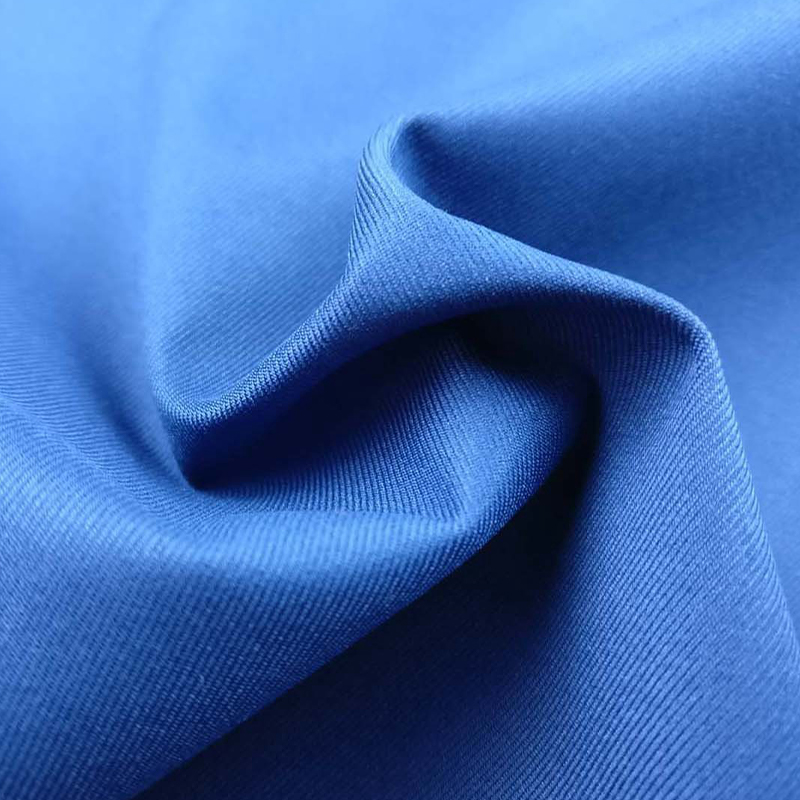
Piece-dyeing allows for "late-stage differentiation." Buyers can commit to a large volume of grey fabric to lock in yarn prices and only decide on the specific colors (e.g., this season's trending "Classic Blue" or "Sage Green") weeks before delivery. In contrast, yarn-dyed decisions must be made months in advance.
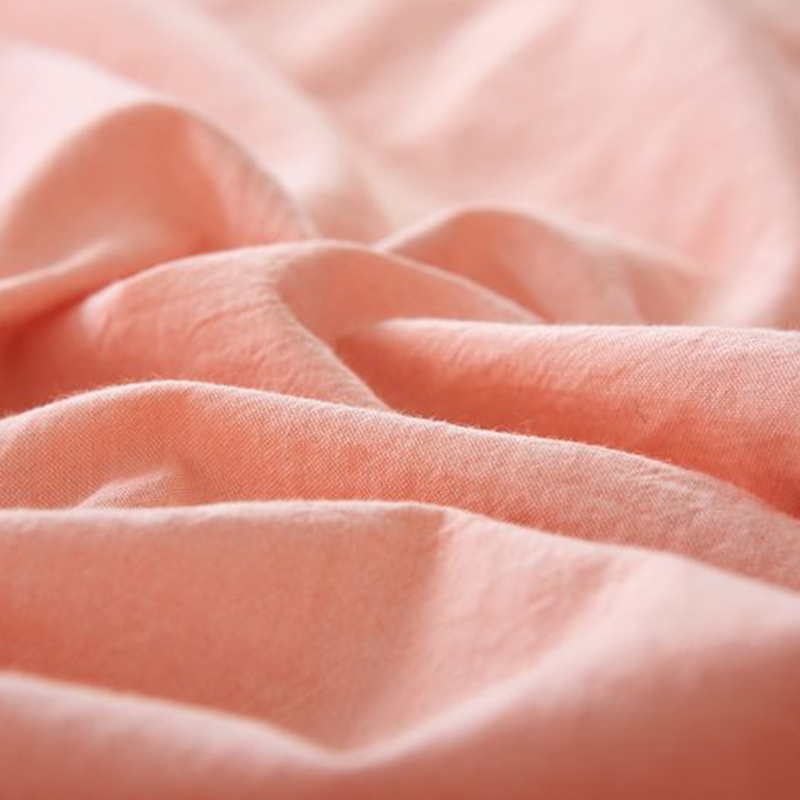
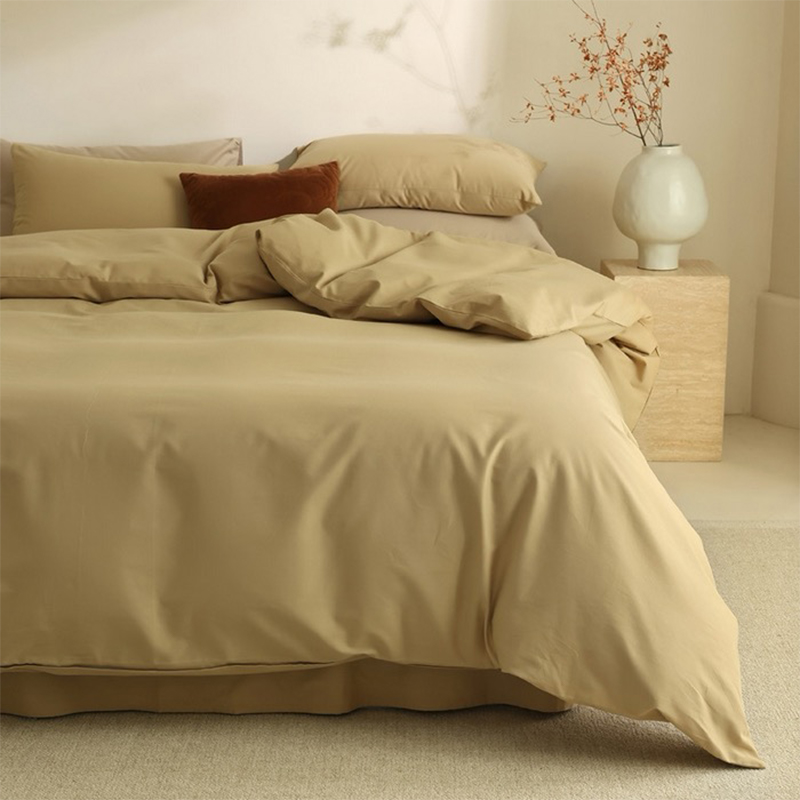
The application often dictates the technology. For example, polyester bedsheets often utilize piece-dyeing for solid colors to maintain a soft hand feel and competitive pricing. Conversely, high-performance outdoor fabrics often utilize yarn-dyeing to ensure the colors do not bleach under the sun.
Regardless of the method chosen, buyers should insist on specific quality benchmarks. Color matching is typically checked using a spectrophotometer to ensure the Delta E value (color difference) remains below 1.0 compared to the master sample.
For piece-dyed fabrics, "side-center-side" shading is a common defect where the edges of the fabric roll are a different shade than the middle. For yarn-dyed fabrics, the primary concern is "barré," where variations in yarn tension or dye uptake create unintended horizontal stripes.
Sustainability is becoming a non-negotiable factor for B2B procurement. Traditional dyeing is water-intensive. However, modern piece-dyeing machines now use low-liquor ratios, significantly reducing water and chemical consumption. Yarn-dyeing can be more wasteful in terms of yarn "leftovers" (leftover bobbins that cannot be used for a new pattern), while piece-dyeing allows for nearly 100% utilization of the woven grey cloth.
When deciding between these two types of Polyester Dyed Fabric, consider the following checklist:
Yes, it usually costs more due to the additional steps of dyeing the yarn first, higher labor costs, and the complexity of weaving patterned designs.
Piece-dyed fabrics often have a slightly softer hand feel because they undergo fewer mechanical stresses during the weaving process compared to yarn-dyed fabrics.
No, a true check pattern requires different colored yarns. You can print a check pattern onto piece-dyed fabric, but it will not have the same depth or durability as a yarn-dyed weave.
The dye is applied to the yarn before it is tightly woven, allowing for better penetration and fixation compared to dyeing a dense, finished fabric.
Unravel a small piece of the fabric. If the individual threads are all the same color throughout, it is piece-dyed. If the threads have different colors forming a pattern, it is yarn-dyed.



+86-137 0672 2970+86-137 5728 0930

Copyright © Changxing Dinghao Textile Co., Ltd.
All Rights Reserved.
Wholesale Microfiber Upholstery Fabric Factory
