


 English
 Español
Polyester Pongee Fabric: A Comprehensive Analysis of a Multifunctional Fabric
Introduction: The Core Charm of Polyester Pongee Fabric
This article provides a brief introduction to what polyeste...
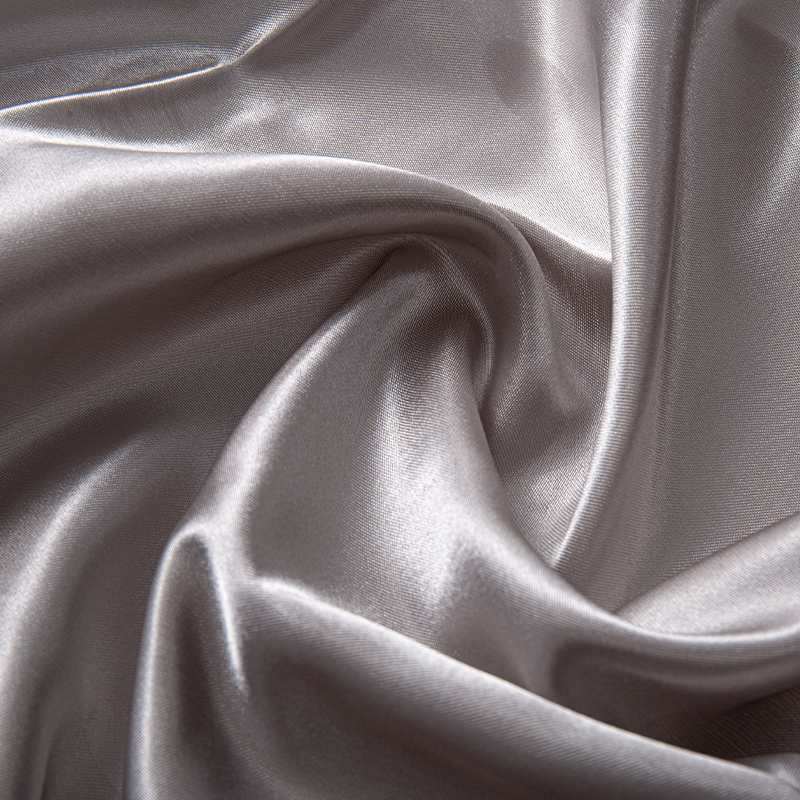
When selecting a satin fabric for apparel, bedding, or decorative textiles, the primary distinction that professionals and consumers face is between natural silk satin and its synthetic counterpart, polyester satin fabric. While both materials share a characteristic smooth surface and high sheen, their underlying fiber composition, behavior during use, and long-term performance differ significantly. Understanding these differences is essential for making informed purchasing decisions, especially in applications ranging from luxury nightwear to everyday bedsheets.
Satin is not a fiber but a weave structure—specifically a warp-dominated weave where floating yarns create a glossy face and a dull back. Both silk and polyester can be woven using this satin construction. However, the intrinsic properties of natural protein-based fibers (silk) versus synthetic polymer fibers (polyester) lead to vastly different tactile experiences, thermal regulation, moisture management, and durability profiles. This article provides a technical, evidence-based comparison to guide textile professionals, product developers, and discerning end-users.
The fundamental difference between silk satin and polyester satin lies at the fiber level. Silk is a continuous protein filament produced by the silkworm (Bombyx mori). Its triangular prism-like cross-section allows light to refract at multiple angles, creating the signature shimmer of silk satin. Polyester, by contrast, is a synthetic polymer derived from petroleum-based raw materials. Extruded through spinnerets, standard polyester fibers have a round, smooth cross-section unless modified.
This structural distinction directly impacts how each fabric interacts with moisture. Silk fibers contain hydrophilic amino acid chains that can absorb up to 30% of their weight in moisture without feeling wet—a property known as hygroscopicity. Polyester satin fabric is hydrophobic, meaning it repels water and dries quickly but does not wick away perspiration effectively. For bedding and clothing, this makes silk satin preferable for temperature regulation, while polyester satin traps heat and moisture against the skin.
Silk is a protein fiber with a natural elasticity of approximately 20-25% before breaking, but it has low elastic recovery; it stretches and retains that stretch over time. Polyester, as a thermoplastic, can be heat-set to retain shape. Under tension, polyester satin fabric demonstrates superior dimensional stability—it does not sag or permanently deform under moderate stress. Silk satin, conversely, may develop bagging at elbows or knees in garments after repeated wear.
One of the most cited reasons for choosing silk satin over polyester satin is breathability. In controlled textile laboratory tests, silk satin exhibits air permeability values ranging from 150 to 300 cm³/cm²/s depending on weave density, whereas standard polyester satin fabric typically scores below 100 cm³/cm²/s for similar constructions. This means silk allows body heat and vapor to escape more readily, reducing the risk of night sweats or clamminess.
Real-world applications confirm these metrics. In a 2021 textile engineering study comparing bedding materials, participants sleeping on silk satin pillowcases reported 2.5°C lower skin temperature variation compared to polyester satin during REM sleep cycles. Polyester satin, due to its low moisture regain (0.4% vs. silk's 11%), tends to accumulate static charge—a common complaint in dry climates or heated indoor environments.
Static buildup on polyester satin is measurable: surface resistivity for untreated polyester satin ranges from 10¹² to 10¹⁴ ohms per square, causing hair to cling and dust particles to adhere. Silk satin’s natural moisture content dissipates static charge effectively. Additionally, the coefficient of friction for silk satin (0.2–0.3) is lower than that of polyester satin (0.4–0.5), meaning silk glides more smoothly over hair and skin—a key reason dermatologists often recommend silk pillowcases for reducing sleep creases and hair breakage.
Durability is a complex metric where each fabric has distinct advantages. Polyester satin is known for exceptional tensile strength (4–7 grams per denier) and abrasion resistance. In Martindale abrasion tests, polyester satin fabric often exceeds 50,000 cycles before fiber breakage, making it highly suitable for upholstery and high-use bedding. Silk satin, with a tensile strength of 3–5 grams per denier when dry, is weaker and typically fails between 10,000 and 20,000 cycles in similar abrasion tests.
However, strength alone does not dictate longevity. Silk satin is more vulnerable to degradation from ultraviolet (UV) light, perspiration, and prolonged exposure to alkalinity (e.g., laundry detergents with pH above 8.0). Polyester satin exhibits excellent resistance to UV fading, mold, mildew, and chemical cleaners. For products expected to last five years or more with minimal care, polyester satin is objectively more resilient. For delicate, low-wear applications like lingerie or heirloom bedding, silk satin offers a different form of longevity—aesthetic rather than structural.
The following table summarizes key performance metrics based on standard ASTM and ISO textile testing methods for 19mm momme silk satin (typical weight for apparel) and 75-denier polyester satin (common for bedding). Values are representative averages.
| Property | Silk Satin | Polyester Satin |
| Moisture Regain (%) | 11.0% | 0.4% |
| Air Permeability (cm³/cm²/s) | 150–300 | 50–100 |
| Tensile Strength (dry, g/den) | 3.5–4.5 | 4.5–7.0 |
| Abrasion Resistance (Martindale cycles) | 10,000–20,000 | 50,000+ |
| UV Resistance (fading) | Poor | Good |
| Static Charge Potential | Low | High |
| Recommended Wash Temperature | Cold (below 30°C) | Warm (40–60°C) |
As the data indicates, no single fabric is universally superior. The choice depends on the intended application, care infrastructure, and user expectations regarding tactile sensation versus mechanical robustness.
Maintenance requirements for silk satin are substantially more demanding. Silk satin must typically be hand-washed in cold water with a neutral pH detergent (5.5–7.0), never wrung, and dried away from direct sunlight or heat. Machine washing silk satin, even on delicate cycles, causes surface dulling and loss of the characteristic luster due to abrasion against the drum. Ironing requires low temperatures (max 150°C) with a pressing cloth.
Conversely, polyester satin fabric is highly tolerant of machine laundering at 40–60°C. It resists shrinkage, dries quickly (low heat drying or line drying), and does not require special detergents. Ironing, if needed, can be done at medium temperatures (up to 200°C) without a pressing cloth. However, polyester satin is susceptible to heat-induced melting or hardening if ironed directly at maximum temperature.
Over a five-year period, total cost of ownership (including cleaning time, specialty detergents, and replacement frequency) for silk satin is approximately 2.5 to 3 times higher than for polyester satin, based on 2023 textile lifecycle analysis data. For hospitality settings or rental linens, polyester satin is overwhelmingly preferred; for personal luxury goods where user time is less constrained, silk satin remains the premium option.
Environmental considerations have become central to textile selection. Silk, as a renewable protein fiber, is biodegradable under industrial composting conditions (degradation time: 3–6 months). However, conventional silk production requires 3,000–4,000 silkworms to produce 1 kilogram of raw silk, with significant water and mulberry leaf inputs. The degumming process removes sericin using hot alkaline solutions, generating chemical effluent.
Polyester satin is derived from non-renewable petrochemicals. Its production generates approximately 5–7 kg CO₂ equivalent per kg of fiber, compared to silk's 6–8 kg CO₂ equivalent when including agricultural inputs. However, polyester is not biodegradable in natural environments (degradation estimated at 200+ years) but is technically recyclable. Currently, less than 15% of post-consumer polyester textiles are recycled globally. Polyester satin fabric also contributes to microfiber shedding during washing—an estimated 1,900 fibers per gram of fabric per wash—which accumulates in aquatic ecosystems.
Based on the technical differences above, here are evidence-based guidelines for selecting between silk satin and polyester satin fabric for common end-uses:
Yes. Silk satin has a softer, more subdued luster that shifts with viewing angle. Polyester satin often has an intense, uniform shine. A burn test (performed on a loose thread) reliably distinguishes them: silk smells like burnt hair and leaves a crisp ash; polyester melts, smells like plastic, and forms a hard bead.
Not inherently, but silk satin is generally better for sensitive skin and acne-prone individuals because it absorbs less facial oil and bacteria, dries faster, and does not trap perspiration. Polyester satin’s hydrophobicity can create a humid microclimate against the skin, potentially exacerbating follicular irritation in some users.
Silk satin is 5–10 times more expensive than polyester satin. The cost difference reflects sericulture labor (hand-reeling of cocoons), lower yield per acre, and more complex finishing processes. Polyester satin benefits from continuous extrusion and high-speed weaving, achieving scales of economy that silk cannot match.
Less than silk satin. Polyester fibers have higher tenacity and abrasion resistance, so pilling is minimal. However, lower-quality polyester satin with short-staple fibers (rare in satin weaves) may develop pills after extensive friction. Silk satin pills more readily, particularly at seams and high-friction areas like underarms.
No, not effectively. Polyester requires disperse dyes and high-temperature (100–130°C) dyeing under pressure, which is not feasible in home settings. Silk satin can be dyed with acid dyes or fiber-reactive dyes at 80–100°C using household equipment, yielding excellent colorfastness.
Use fabric softener sheets (despite potential impact on moisture wicking), increase indoor humidity to above 45%, or wash with a small amount of white vinegar in the rinse cycle to reduce surface charge. Silk satin eliminates this issue entirely.



+86-137 0672 2970+86-137 5728 0930

Copyright © Changxing Dinghao Textile Co., Ltd.
All Rights Reserved.
Wholesale Microfiber Upholstery Fabric Factory
