


 English
 Español
Polyester Pongee Fabric: A Comprehensive Analysis of a Multifunctional Fabric
Introduction: The Core Charm of Polyester Pongee Fabric
This article provides a brief introduction to what polyeste...
The world of textiles is vast and complex, with materials and manufacturing processes tailored to meet specific functional and aesthetic demands. Among the myriad options available to designers, manufacturers, and consumers, solid color polyester dyed fabric represents a significant and versatile category. This fabric is a cornerstone of numerous industries, from fashion and home furnishings to technical and industrial applications. Its prevalence is not accidental but is the result of a combination of inherent material properties and sophisticated coloration techniques that yield a durable, consistent, and cost-effective product. Understanding this material involves exploring the base fiber, the dyeing process, its resulting characteristics, and its appropriate applications.
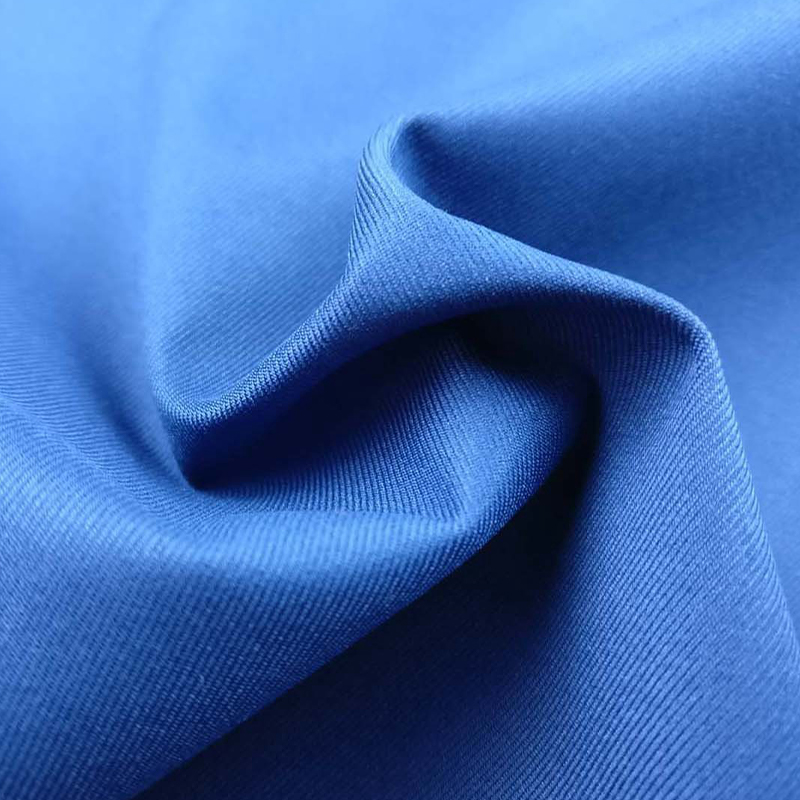
The term “solid color polyester dyed fabric” precisely describes the product: a textile constructed from polyester fibers that have been colored with a single, uniform hue after the construction of the yarn or cloth. This is a crucial distinction from other methods, such as using pre-dyed yarns (yarn-dyed) or applying prints to the surface of a finished fabric. The dyeing process is integral to the final properties of the material, deeply embedding the colorant within the molecular structure of the synthetic fibers. The outcome is a fabric prized for its color fastness, durability, and vibrant appearance, making it a reliable choice for both everyday and specialized uses.
To fully appreciate solid color polyester dyed fabric, one must first understand the nature of polyester itself. Polyester is a synthetic polymer, specifically a type of polyethylene terephthalate (PET). It is created through a chemical reaction involving petroleum-derived substances, air, and water. This process results in a polymer that can be extruded through a spinneret to form continuous filaments. These filaments can be used as long, smooth fibers or cut into shorter staples to be spun into yarn, mimicking the handling characteristics of natural fibers.
The molecular structure of polyester is highly crystalline and hydrophobic, meaning it has a natural resistance to water. This structure is the key to many of its desirable properties. Polyester is renowned for its exceptional strength and durability, resisting stretching, shrinking, and wrinkles far better than most natural fibers. Its resilience makes it long-lasting and able to withstand significant wear and tear. Furthermore, its hydrophobic nature means it dries quickly and is inherently resistant to water-based stains, though this same property initially posed challenges for dyeing that required technological solutions to overcome.
The dyeing of polyester is a specialized process due to the fiber’s lack of affinity for conventional, water-based dyes used on materials like cotton or wool. The dense molecular structure and hydrophobic character of polyester prevent large dye molecules from penetrating the fiber at low temperatures. Therefore, effective dyeing requires specific dyes and conditions.
The primary method for coloring polyester is disperse dyeing. Disperse dyes are non-ionic, sparingly soluble in water, and designed to sublime—transition from a solid directly to a gas—at high temperatures. The dyeing process typically occurs in a pressurized vessel called an autoclave at temperatures between 120°C and 130°C. At these high temperatures, the polymer chains within the polyester fiber swell, creating microscopic voids. The disperse dyes, carried in a water bath, vaporize and diffuse into these swollen fibers, where they become trapped upon cooling. This results in a deep, permanent coloration that is integral to the fiber itself rather than merely sitting on its surface.
The process for creating solid color polyester dyed fabric usually involves dyeing the fabric in its final constructed form, known as piece dyeing. This method offers significant production flexibility. Manufacturers can produce large quantities of undyed, “greige” fabric and then dye it to order based on market demand for specific colors, reducing inventory costs and allowing for a rapid response to fashion trends.
Critical to the process is the subsequent step of washing and finishing. After dyeing, the fabric is thoroughly washed to remove any unfixed dye particles from the surface. This is essential for achieving the highest levels of colorfastness. The fabric may then undergo various finishing processes, such as heat-setting, which uses controlled heat to stabilize the dimensions of the fabric, ensuring it retains its shape and size during later use and care.
The combination of polyester fiber and the disperse dyeing process imparts a set of consistent performance advantages that define solid color polyester dyed fabric.
Superior Colorfastness: This is arguably the most significant advantage. The dye molecules are locked within the fiber, resulting in exceptional resistance to fading from washing, light exposure, and rubbing (crocking). This ensures the fabric maintains its vibrant appearance over an extended lifespan, which is a primary reason for its popularity in applications like upholstery and automotive interiors where prolonged color integrity is non-negotiable.
Durability and Strength: The inherent toughness of polyester fibers translates into a highly durable fabric. It is highly resistant to abrasion, tearing, and pilling, making it suitable for high-traffic environments and items that undergo frequent use and laundering. This durability does not come at the expense of flexibility; the fabric can be engineered to have a soft hand feel or a more rigid structure as required.
Low Moisture Absorption and Quick Drying: The hydrophobic nature of polyester means the fabric absorbs very little water. This leads to several benefits: it dries rapidly after washing, it is less prone to developing water-borne stains, and it does not readily support the growth of mildew. This makes it an excellent choice for outdoor applications, athletic wear, and home textiles like quick-dry towels and bed linens.
Ease of Care and Wrinkle Resistance: Items made from solid color polyester dyed fabric are generally machine washable and require little ironing. The fiber’s resilience allows it to bounce back to its original shape, resisting wrinkles even after being packed or worn for long periods. This low-maintenance characteristic is highly valued in everyday apparel, uniforms, and travel clothing.
Consistency and Cost-Effectiveness: The synthetic production of polyester and the controlled, industrial dyeing process allow for remarkable batch-to-batch consistency in color and quality. Furthermore, the efficiency of large-scale production makes solid color polyester dyed fabric a very economical material, providing high performance at a relatively low cost.
The following table summarizes these key advantages and their practical implications:
| Characteristic | Practical Benefit |
|---|---|
| Superior Colorfastness | Retains vibrant color despite washing, sunlight, and friction. |
| High Durability | Withstands abrasion and frequent use without tearing or pilling. |
| Quick Drying | Ideal for activewear, outdoor gear, and frequently washed items. |
| Wrinkle Resistance | Maintains a neat appearance with minimal ironing required. |
| Cost-Effectiveness | Provides long-lasting performance at an accessible price point. |
The performance profile of solid color polyester dyed fabric makes it applicable across a diverse range of sectors. Its utility is found wherever a combination of aesthetic consistency and physical resilience is required.
In the apparel industry, it is ubiquitous. It is used in everything from everyday casual wear, dresses, and blouses to more demanding applications like sportswear, uniforms, and outerwear. In uniforms for healthcare, hospitality, and security personnel, the fabric’s durability, ease of care, and ability to maintain a professional appearance through long shifts and repeated laundering are paramount. For activewear, its moisture-wicking properties (often enhanced through special finishing) and strength are highly valued.
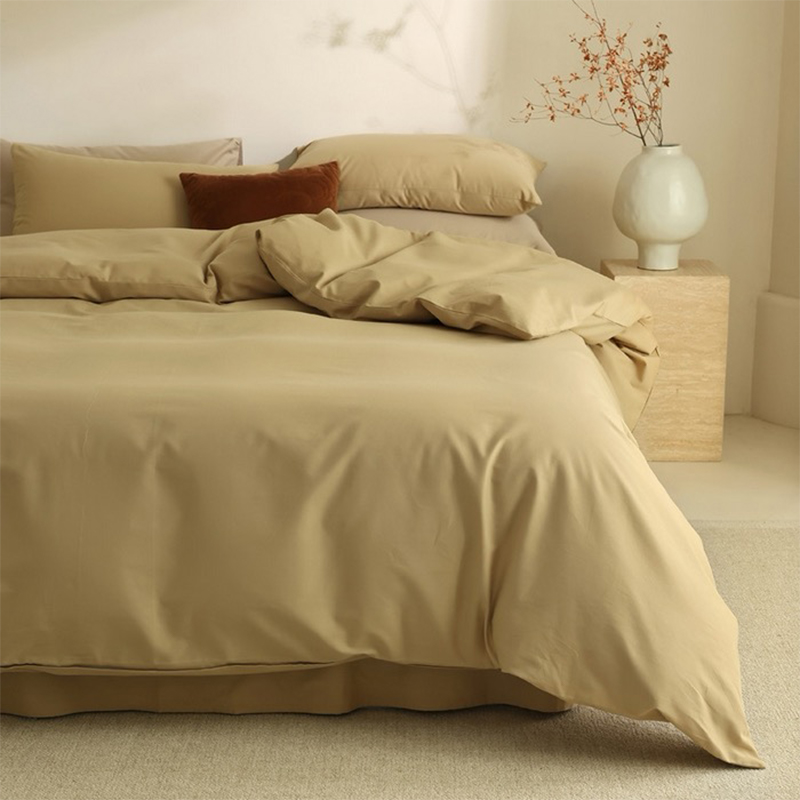
The home furnishing sector is another major consumer. Here, the fabric is employed in upholstery for furniture, draperies and curtains, bedding, and wall coverings. The colorfastness to light ensures that curtains won’t fade noticeably in a sunny window, while the abrasion resistance ensures a sofa fabric will endure years of use. Its stability also makes it a preferred choice for decorative items like tablecloths and napkins.
Technical and industrial applications leverage the fabric’s reliability for purposes beyond aesthetics. It is used in the automotive industry for seat covers, door panels, and headliners. It is also found in various forms of signage, banners, and awning due to its printability and weather resistance. Furthermore, its use in luggage, backpacks, and tents highlights its role in goods that must protect contents while enduring harsh handling and environmental conditions.
While the advantages are numerous, a balanced view requires acknowledging certain considerations. The primary critique often leveled against polyester is its lack of breathability compared to natural fibers like cotton or linen. In its standard form, it can trap moisture and heat against the skin, which can be uncomfortable in hot, humid conditions. However, modern textile engineering has developed microfibers and specific knit or weave structures that significantly improve breathability and moisture management, mitigating this issue in many contemporary applications.
Another consideration is environmental perception. As a petroleum-based product, the production of polyester is energy-intensive and relies on non-renewable resources. Furthermore, the issue of microplastic shedding, particularly during washing of polyester textiles, is a active area of concern and research within the industry. It is important to note that significant efforts are underway to address these challenges through recycling initiatives. The development and adoption of recycled polyester, often made from post-consumer PET bottles, is a major step toward reducing the environmental footprint of solid color polyester dyed fabric. This recycled material can be dyed and performed identically to its virgin counterpart, offering a more sustainable option without sacrificing quality.
When compared to other dyeing methods, piece-dyeing polyester for solid colors offers distinct logistical advantages over yarn-dyeing or solution-dyeing (where color is added to the polymer melt before extrusion). It allows for tremendous flexibility and faster turnaround times for manufacturers. The color palette achievable through disperse dyeing is also vast and vibrant, covering the entire spectrum from the most subtle pastels to the deepest, most intense shades.
Solid color polyester dyed fabric is a testament to the synergy between material science and manufacturing technology. It is not merely a simple colored cloth but a highly engineered product designed to meet rigorous performance standards. The process of impregnating resilient polyester fibers with permanent, vibrant color results in a textile that is durable, easy to care for, and consistently reliable. Its widespread use across fashion, furnishings, and industry is a direct result of these tangible benefits. While considerations regarding comfort and sustainability exist, ongoing innovation in fiber engineering and recycling processes continues to enhance its profile. As a fundamental material in the global textile market, solid color polyester dyed fabric remains a practical, high-performing, and versatile choice for a multitude of applications.



+86-137 0672 2970+86-137 5728 0930

Copyright © Changxing Dinghao Textile Co., Ltd.
All Rights Reserved.
Wholesale Microfiber Upholstery Fabric Factory
